• Hola a todos and welcome back!

    Les recuerdo que desde 2013 tenemos una pagina sobre arquitectura en Tijuana _ Building Tijuana.
    Pasen a colaborar!   More to come!
    https://www.facebook.com/groups/472183789474192/

  • Casa Coubes

    Tijuana Mexico 2018
    www.generica.com.mx

  • Untitled post 28
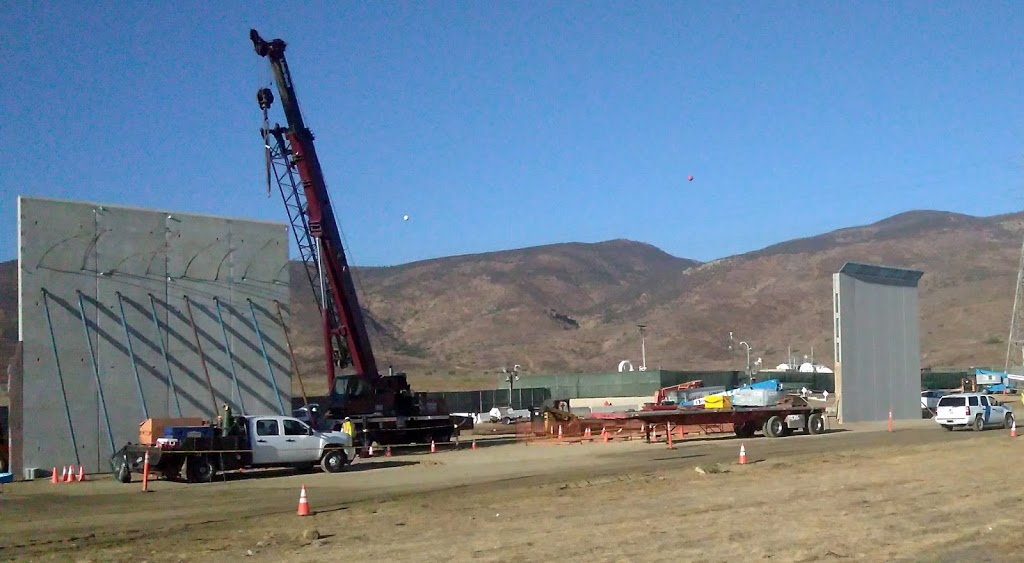
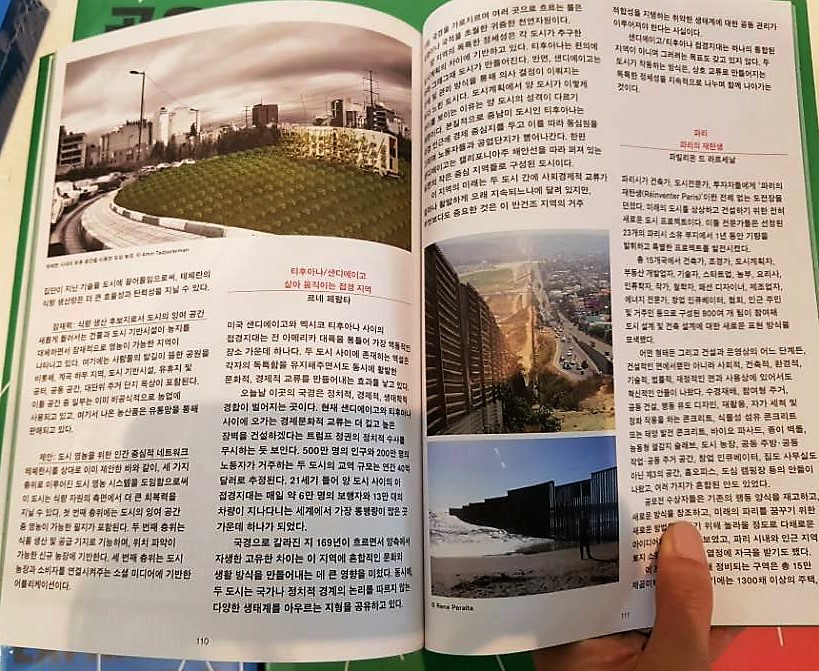
    Foto desde la frontera de lado de Tijuana. Se estan construyendo los prototipos para el Muro fronterizo. 

    Foto: Rene Peralta

  • Untitled post 29
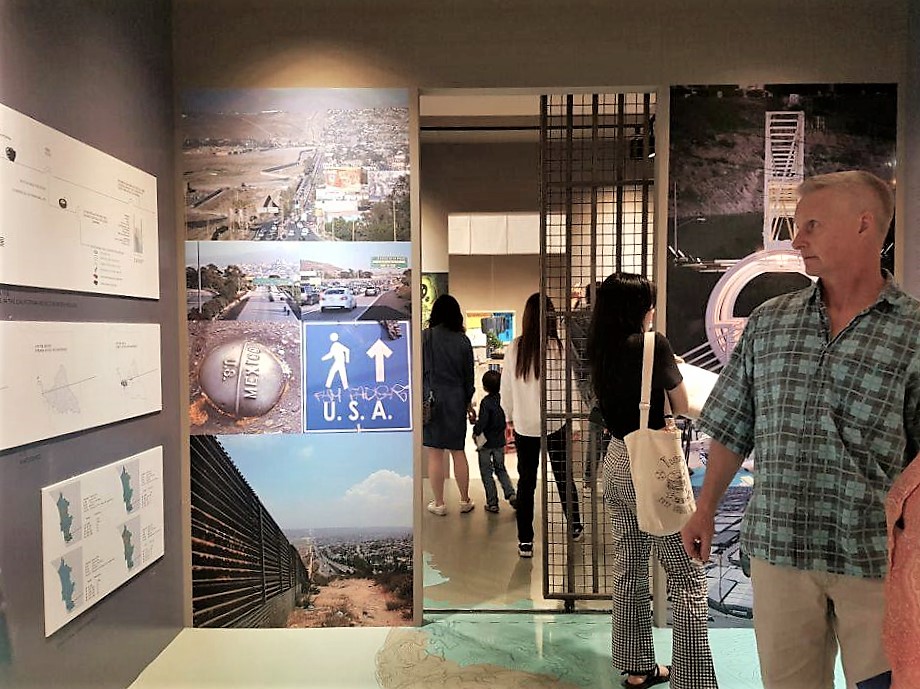
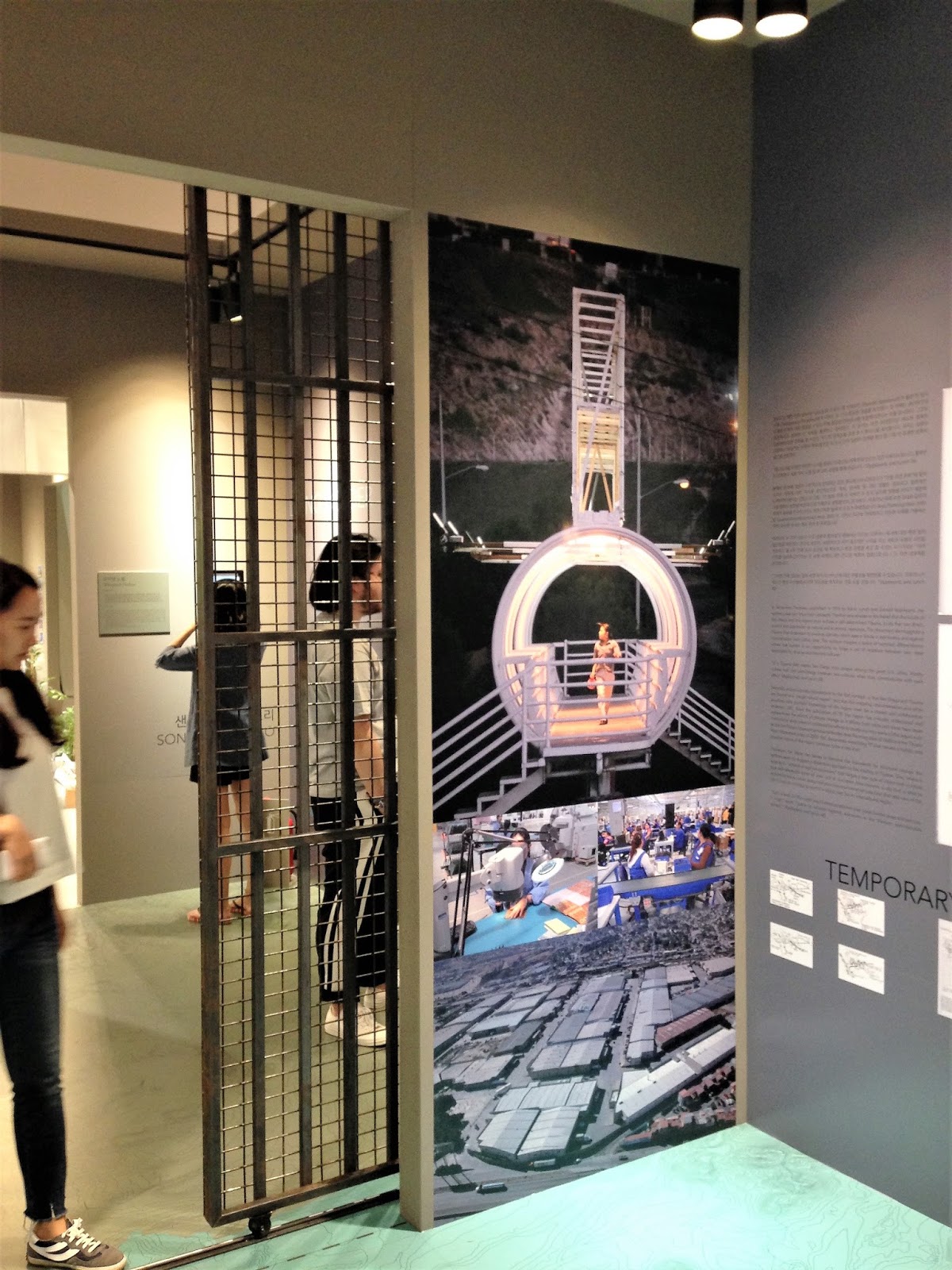
    Mañana en IBERO presentare el proyecto instalacion sobre la region San DIego/Tijuana en la Bienal de Arquitectura y Urbanismo de Seoul.

    Tomorrow at IBERO I will be presenting our installation of the San Diego/Tijuana region at the Seoul Architecture and Urbanism Biennale.


  • Untitled post 30

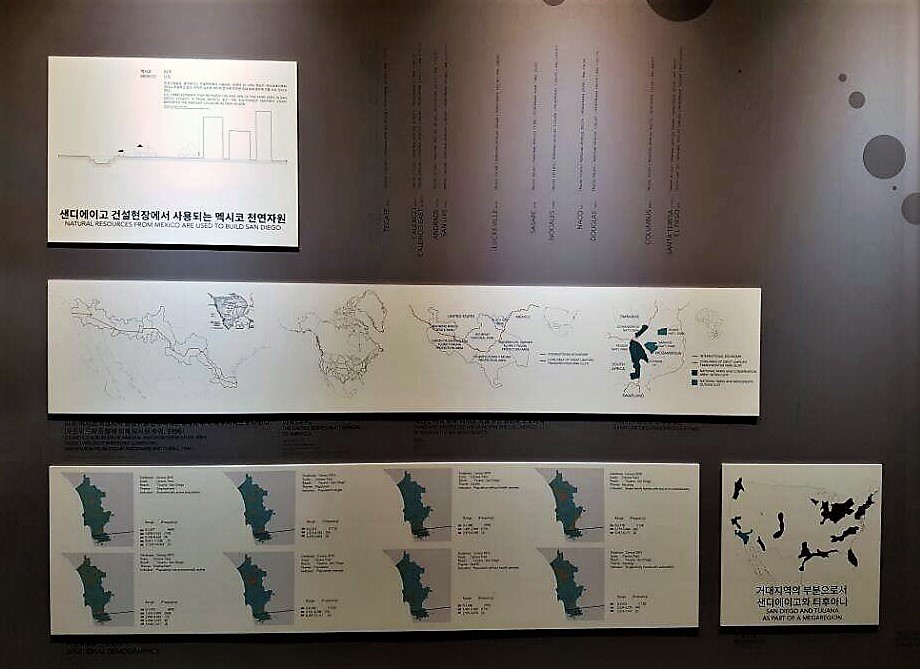
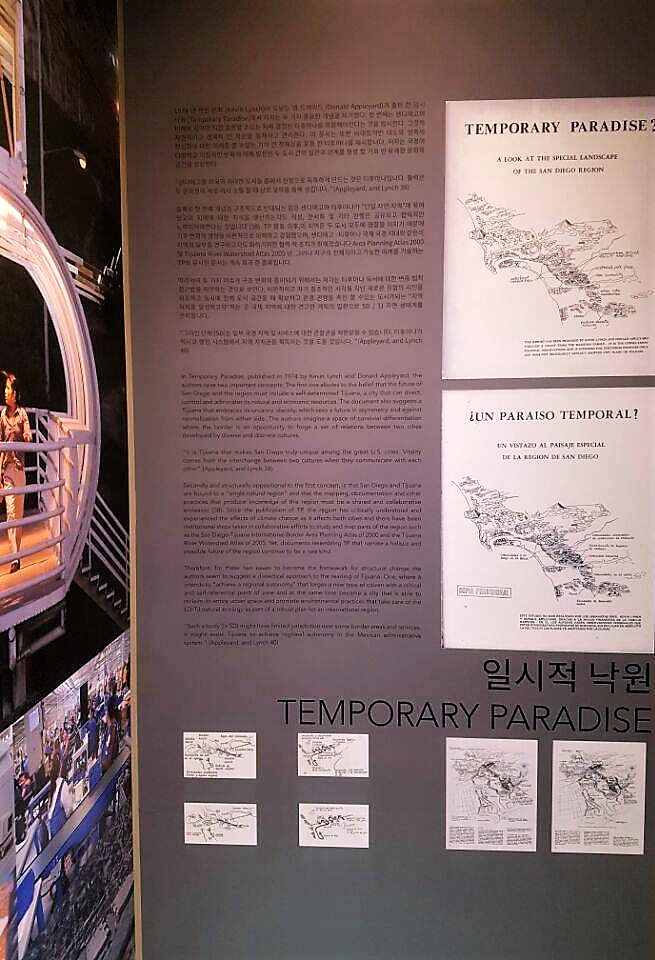
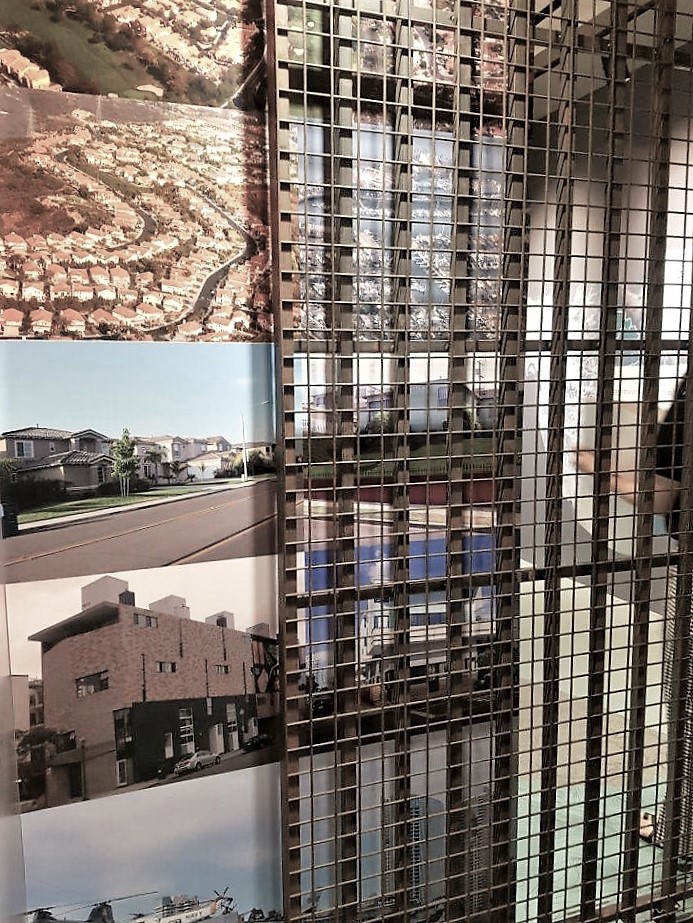
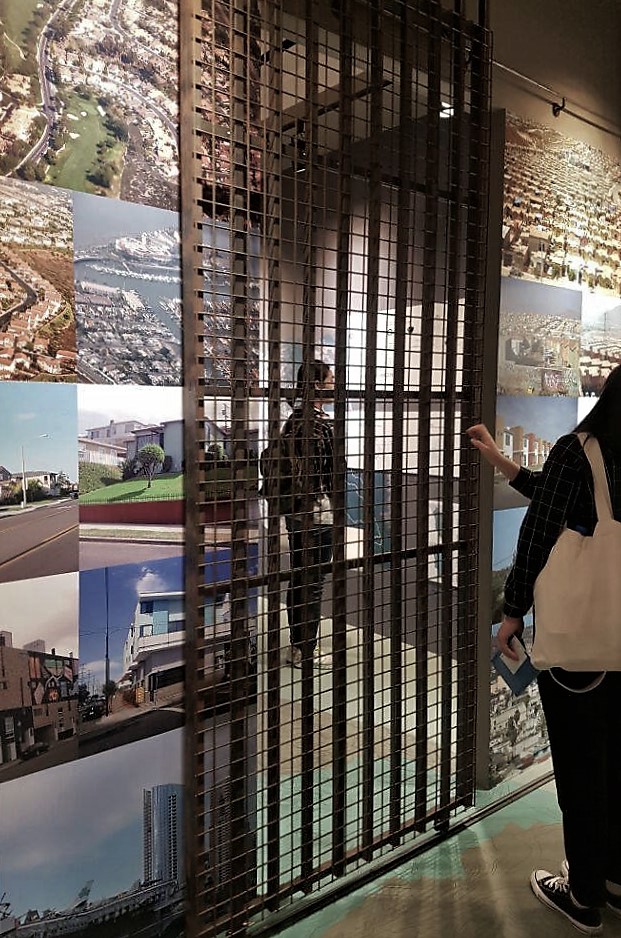
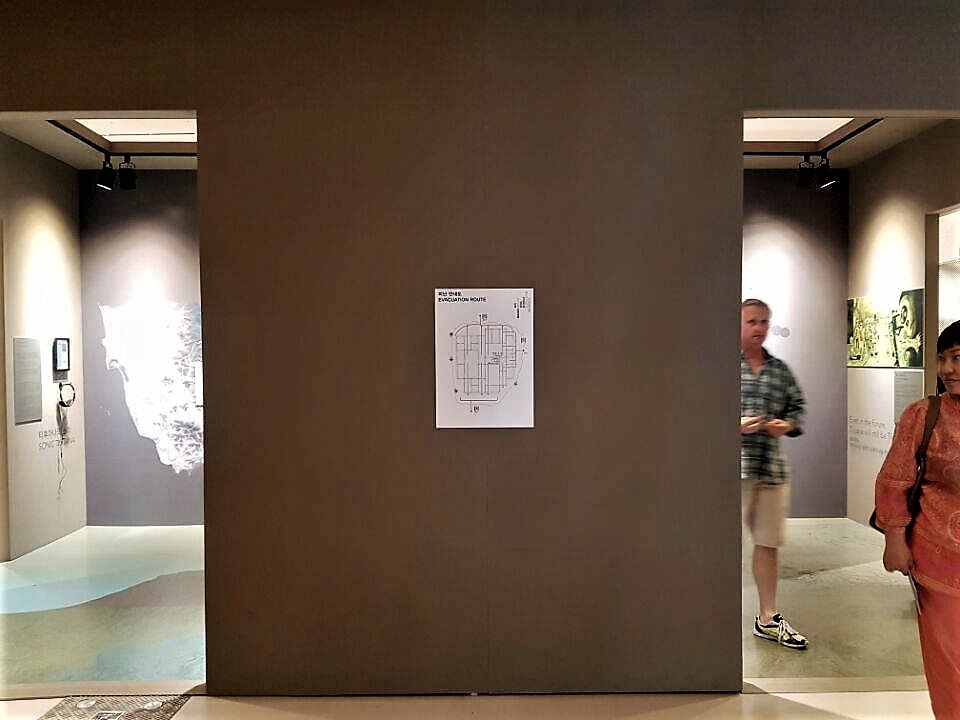
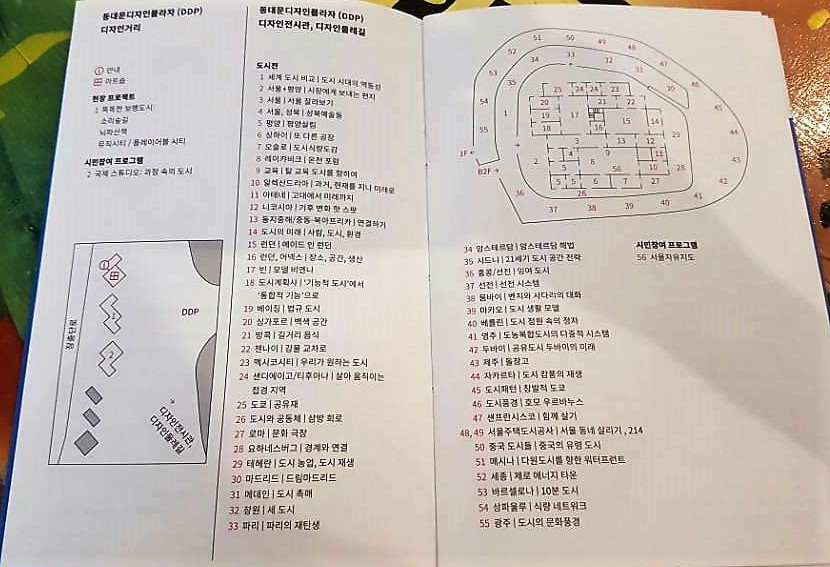
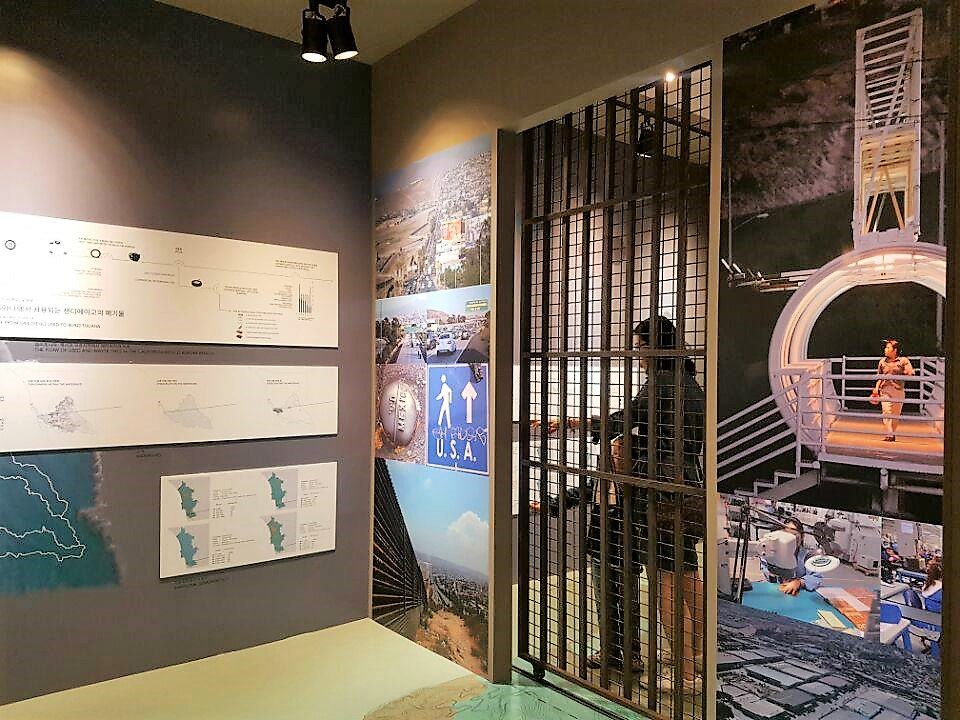
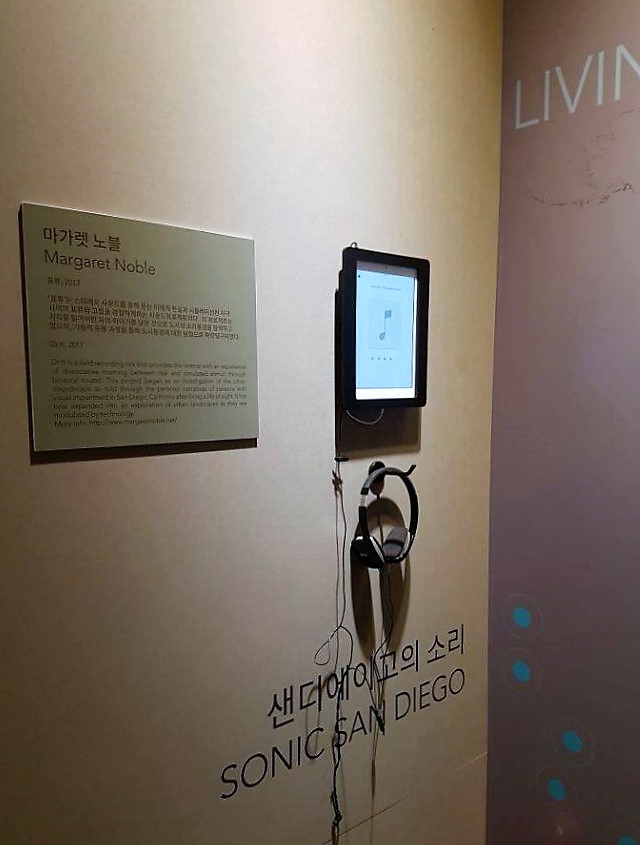
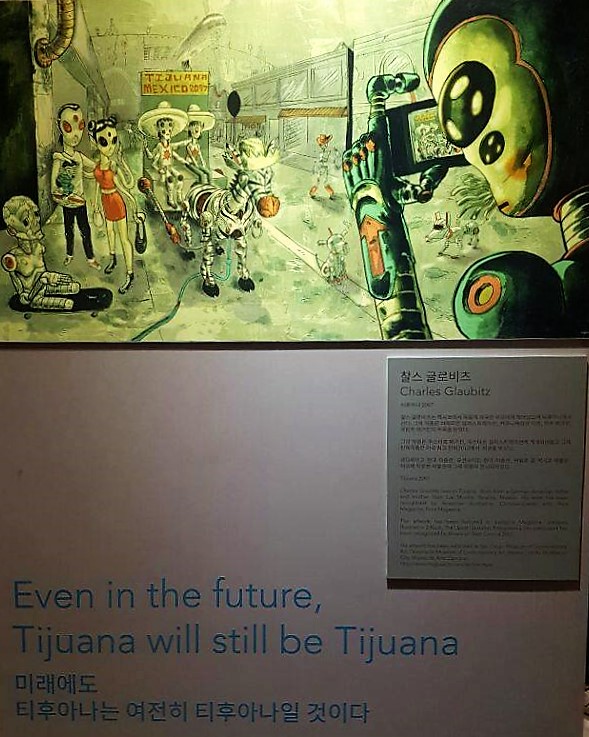
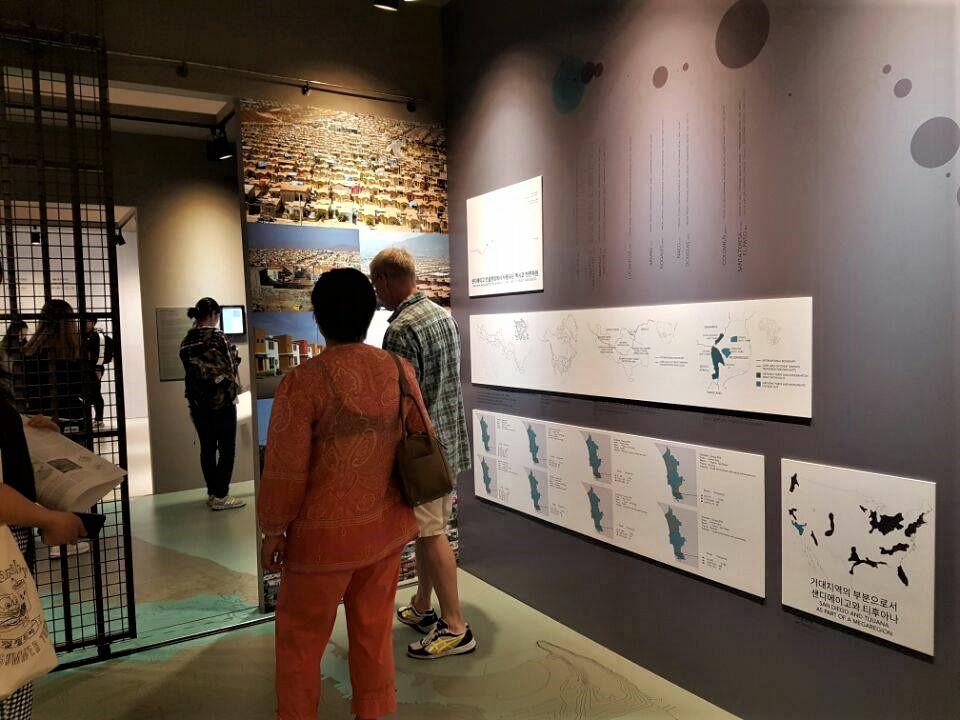
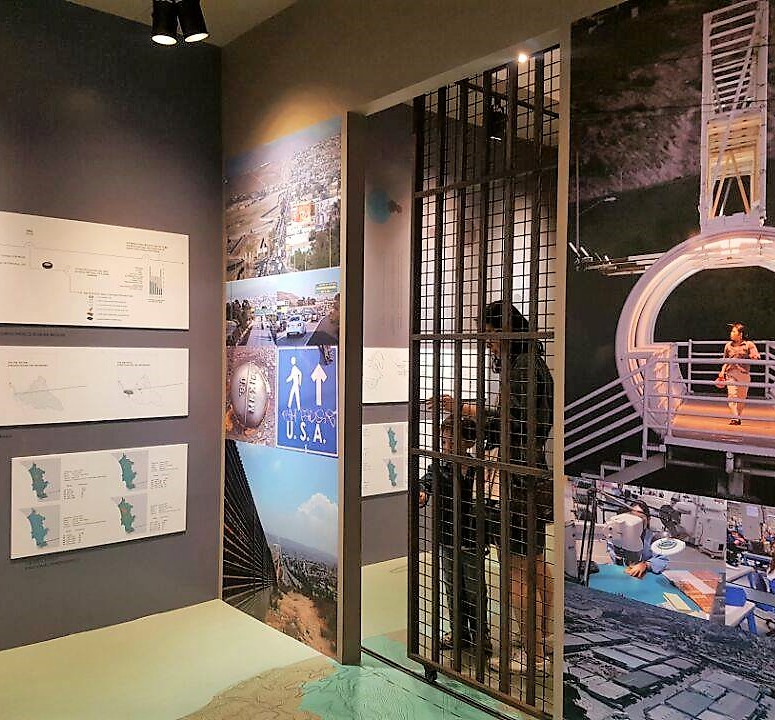
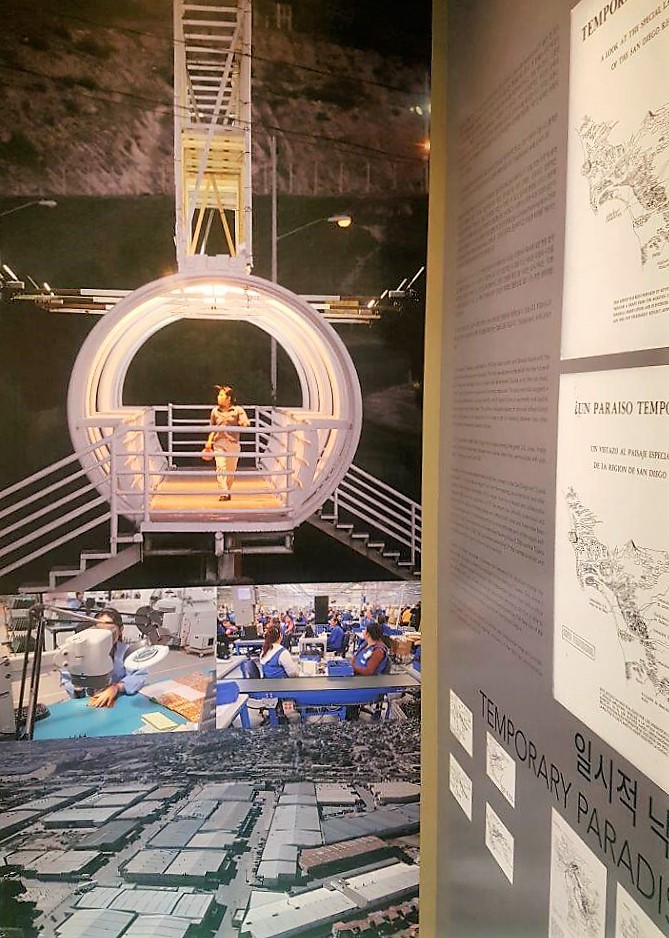
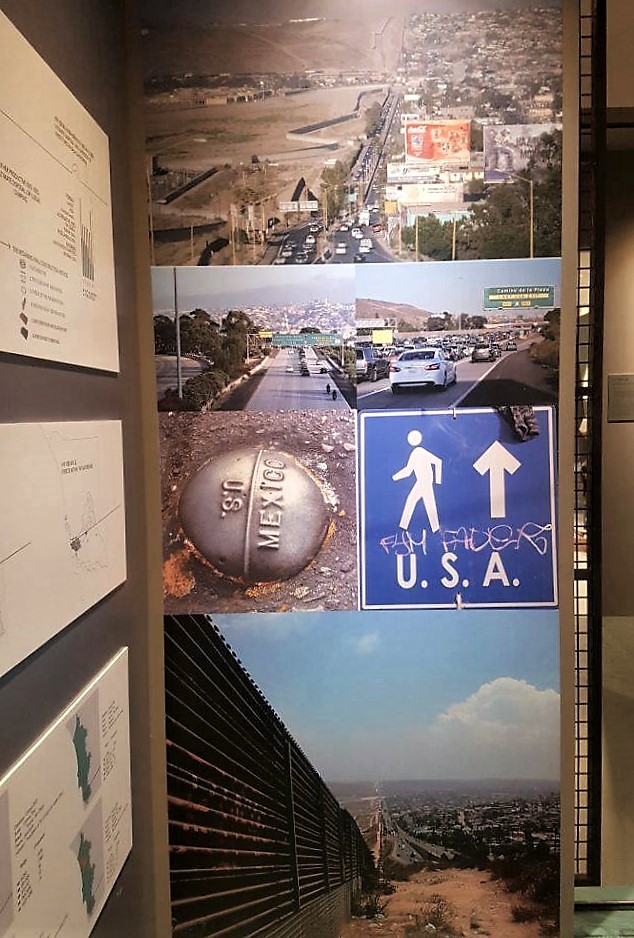
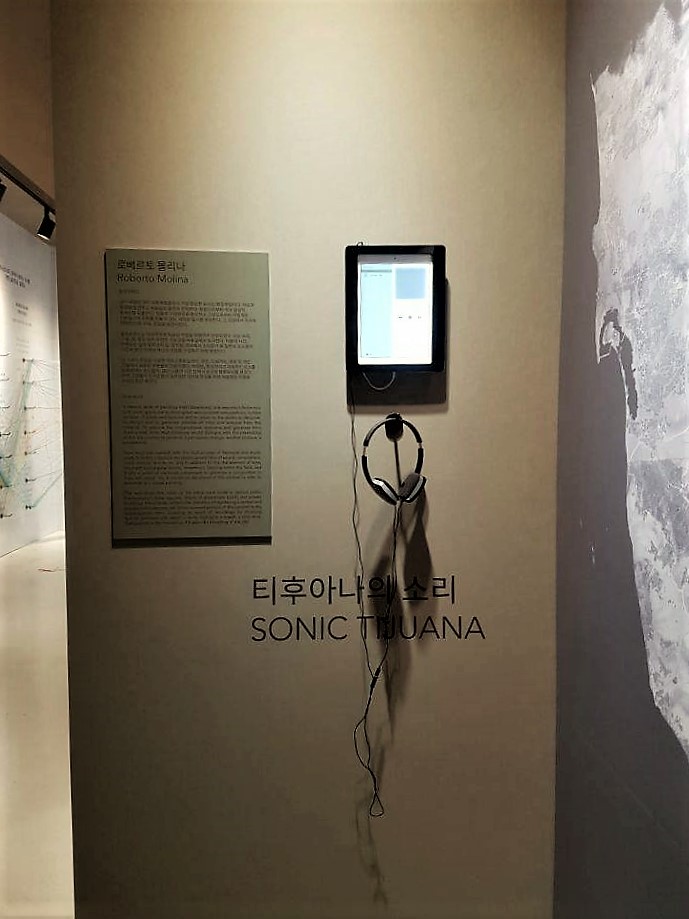
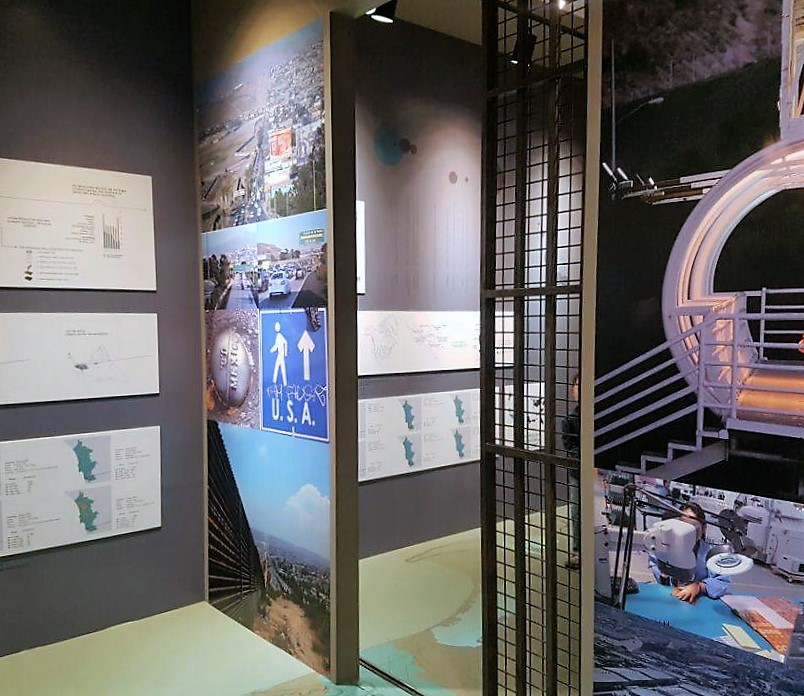
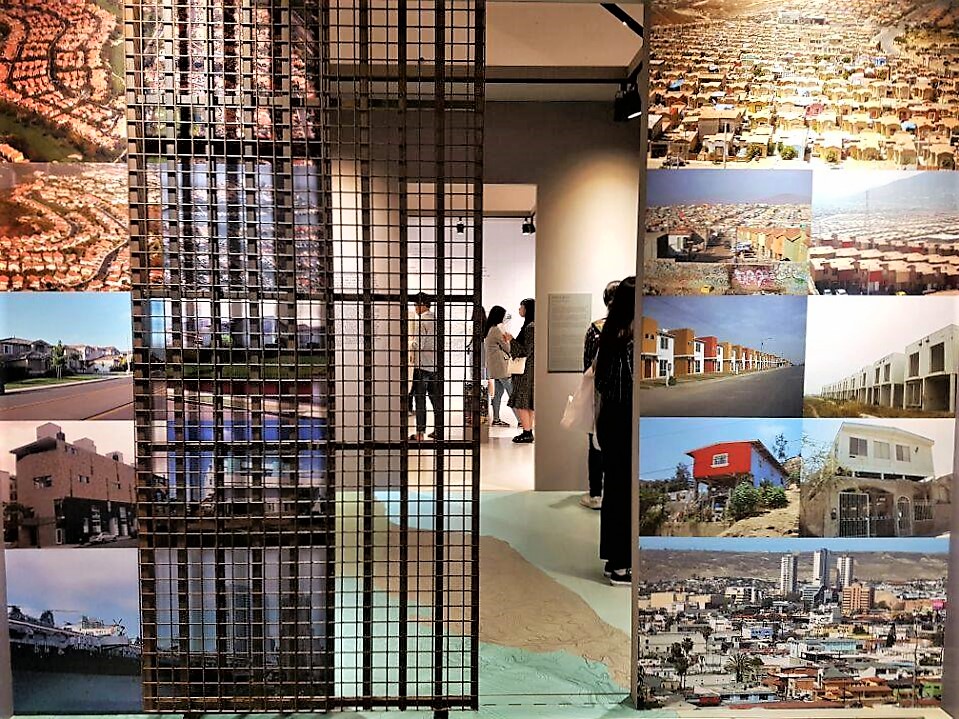
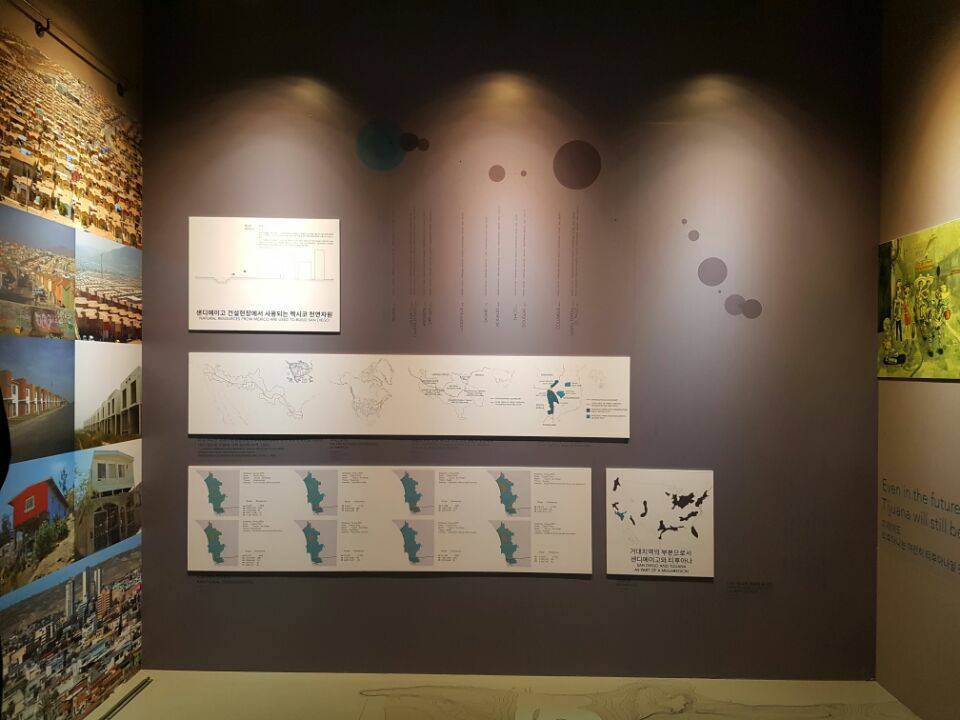
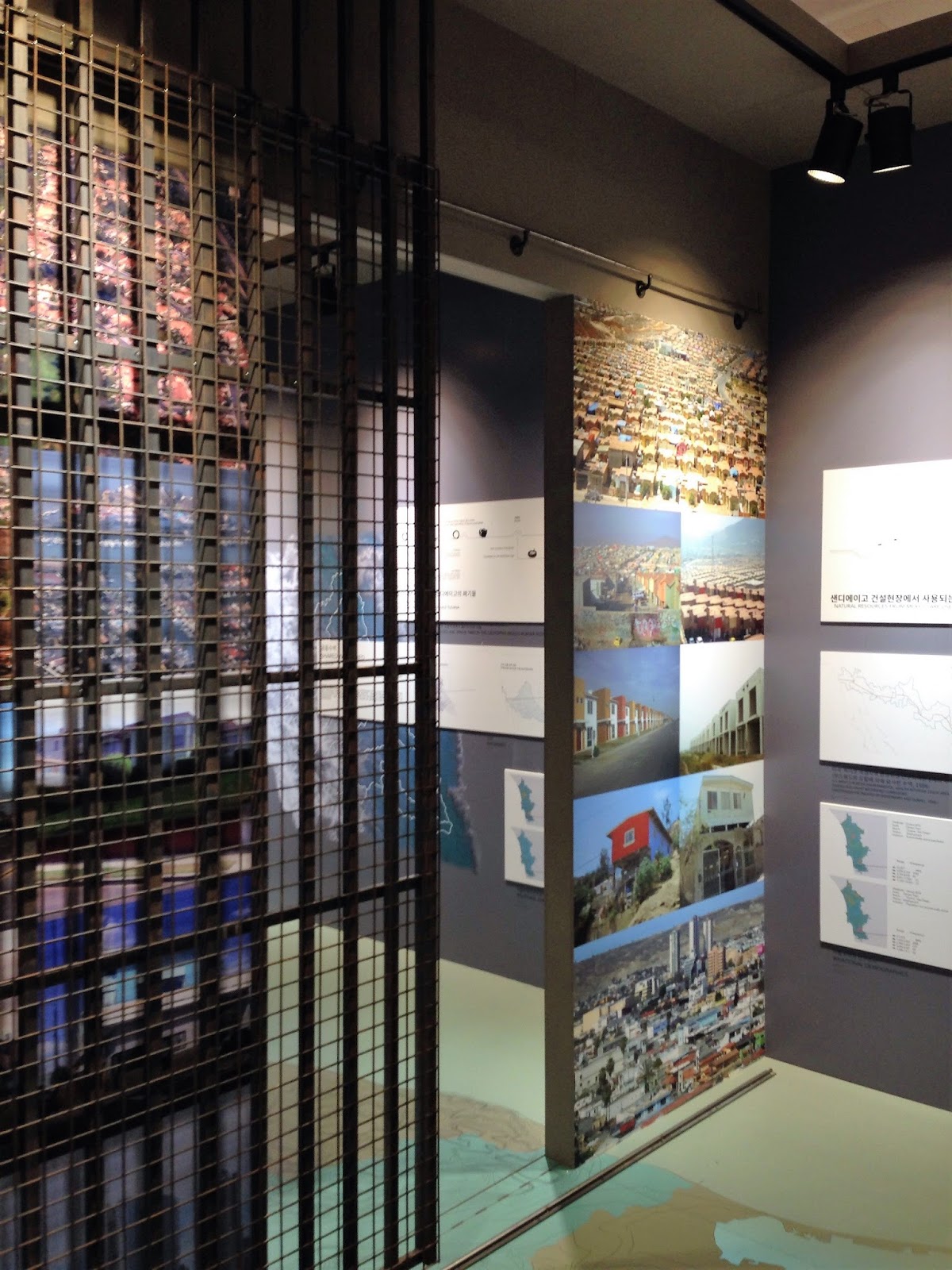
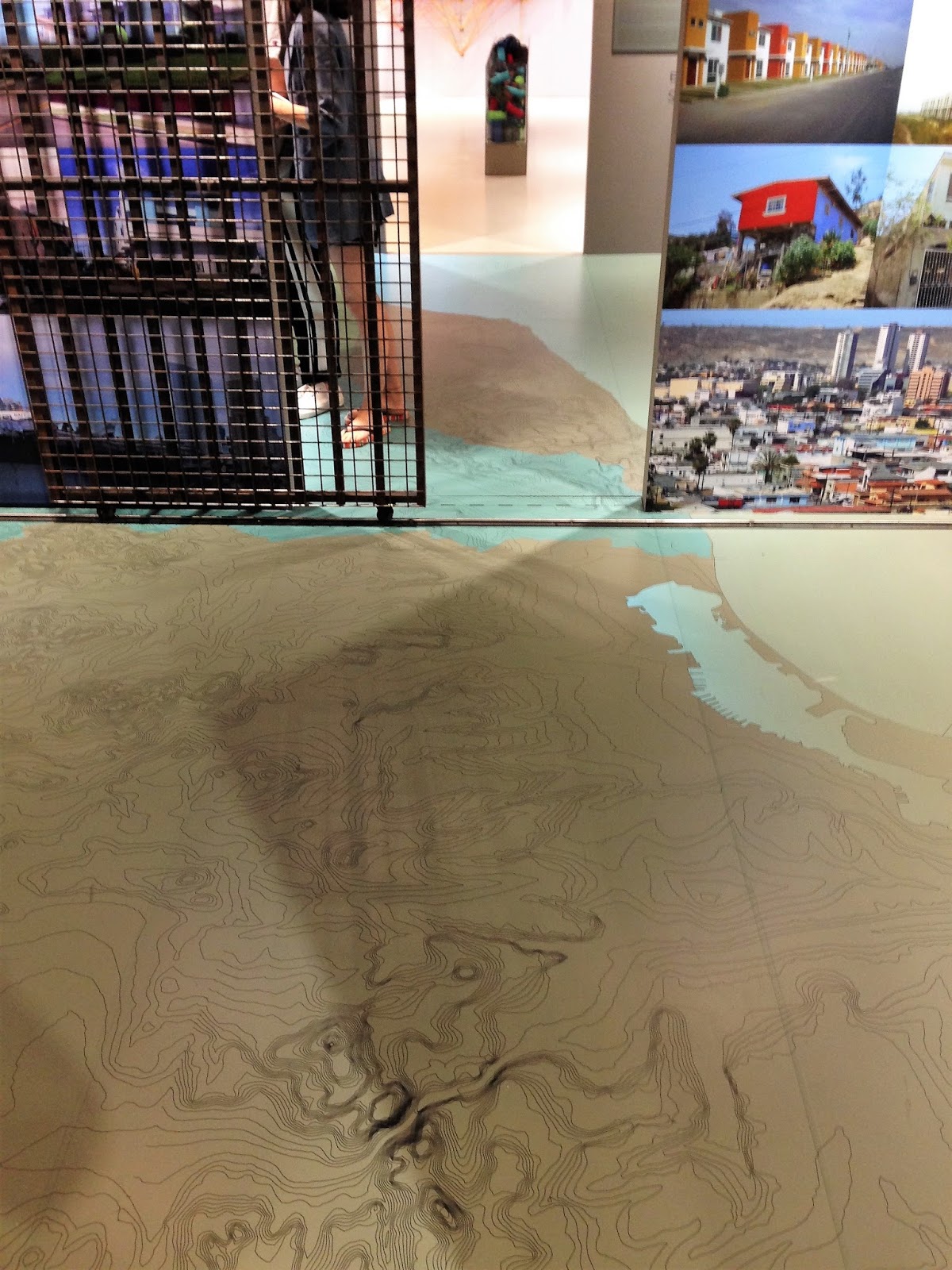
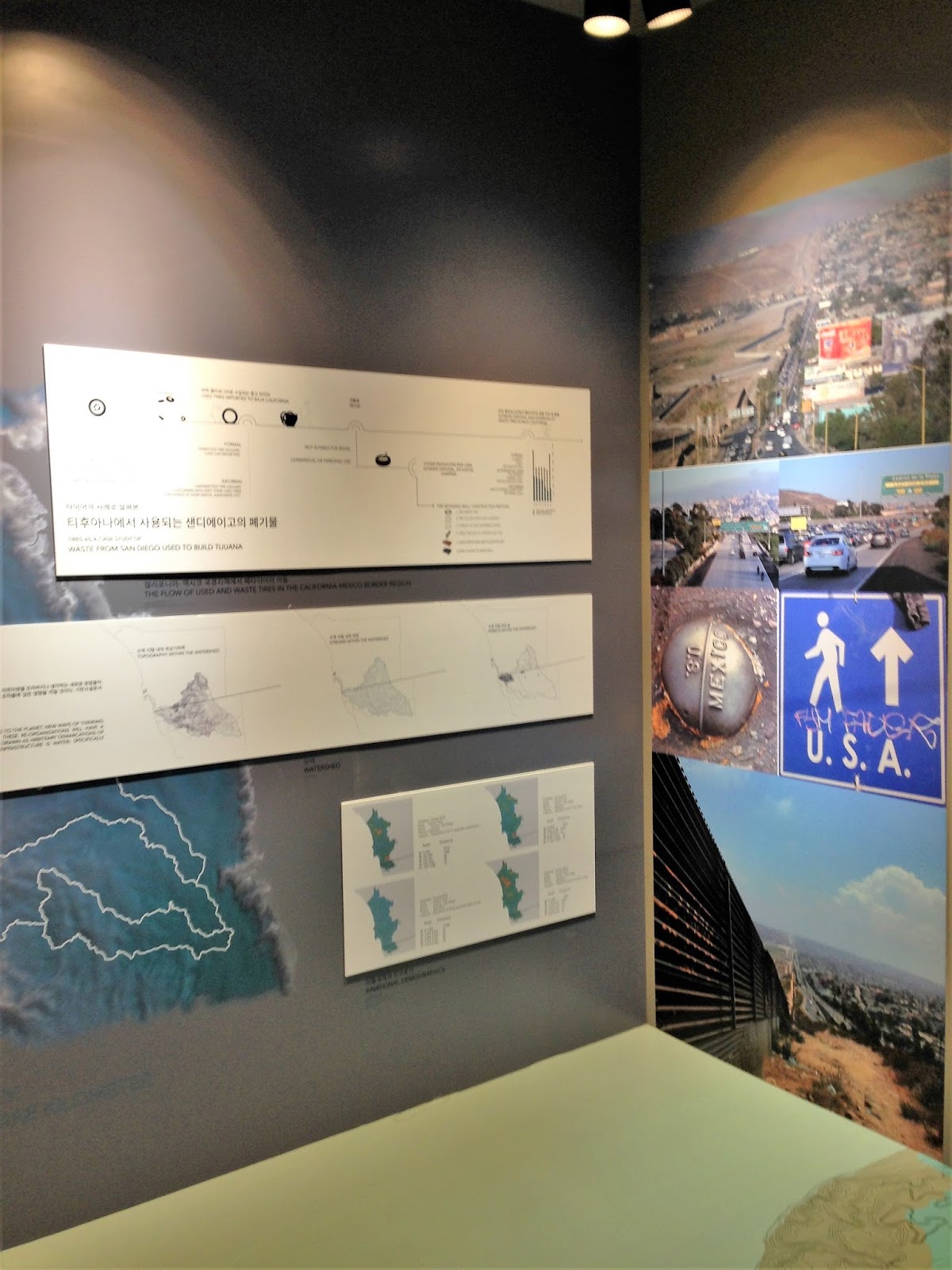
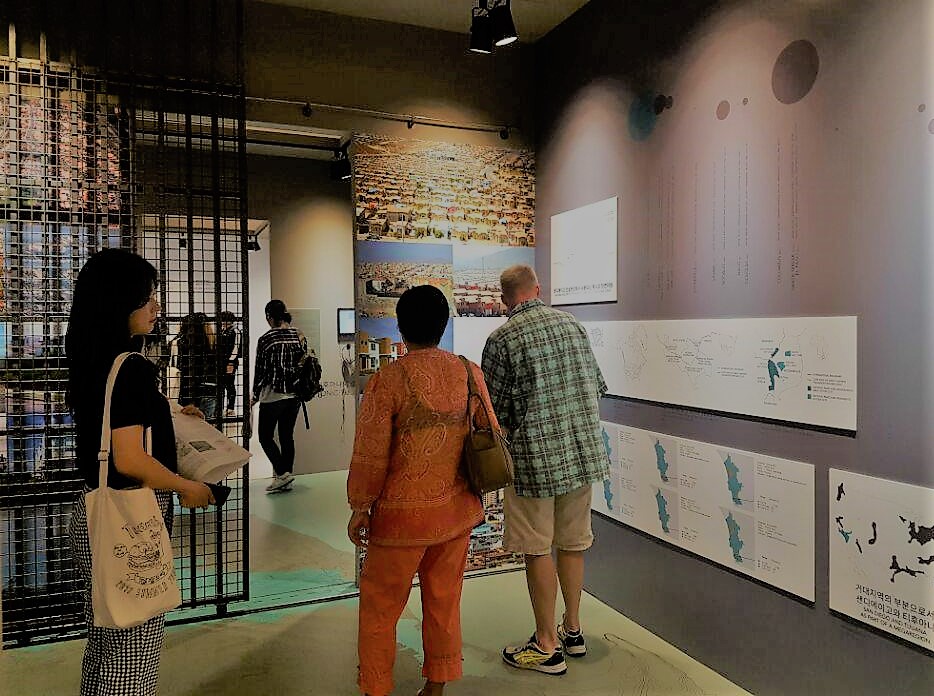
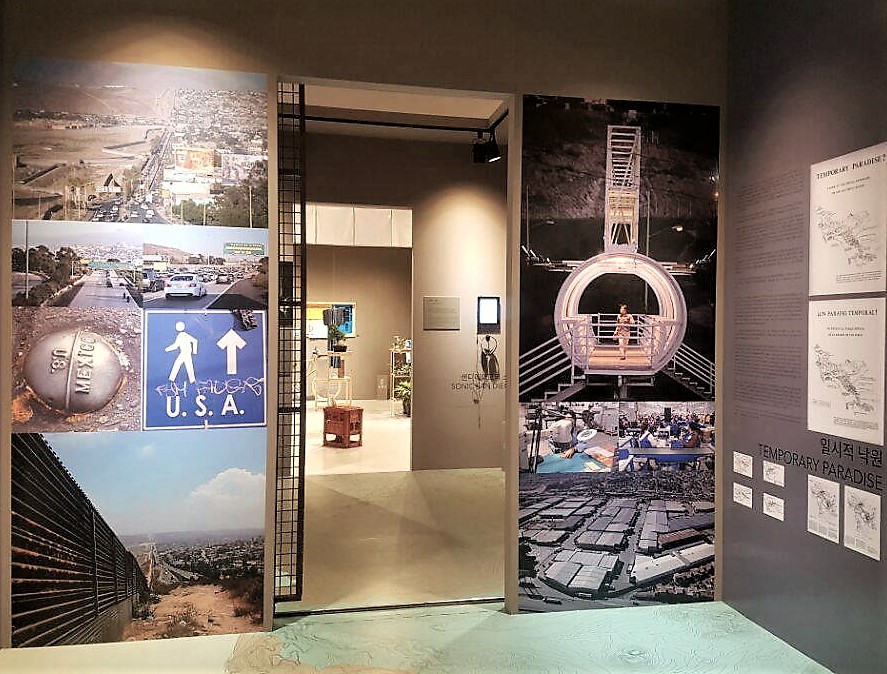
    Gracias al Dr.Jungmook Moon y su alumna Soojin Yang por las fotos de nuestro proyecto de exposicion Tijuana_San Diego en la Bienal de Arquitectura y Urbanismo de Seoul.
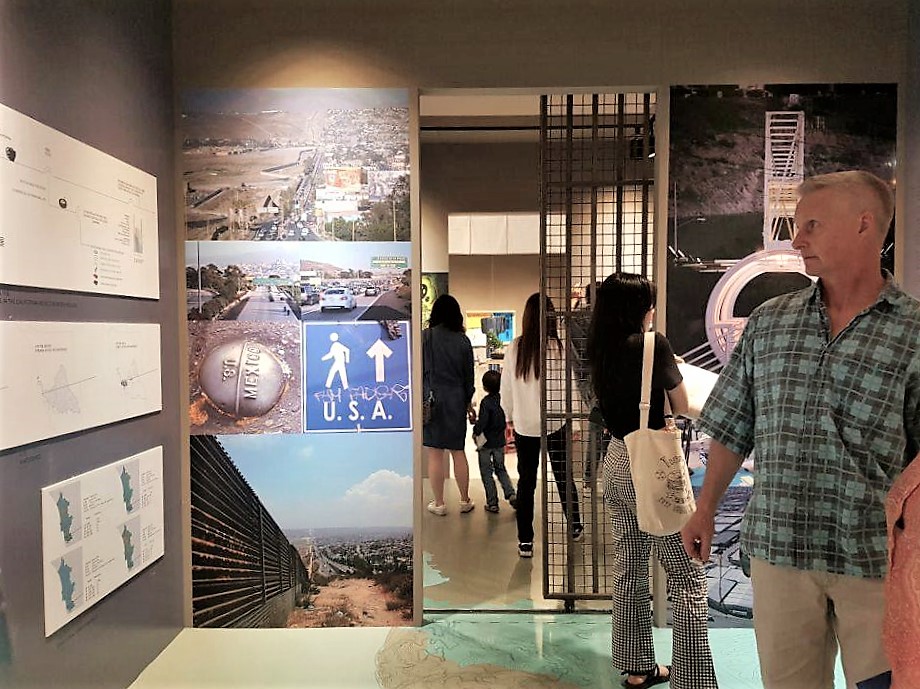
  • Tijuana_San Diego Region at the 2017 Seoul Architecture and Urbanism Biennale


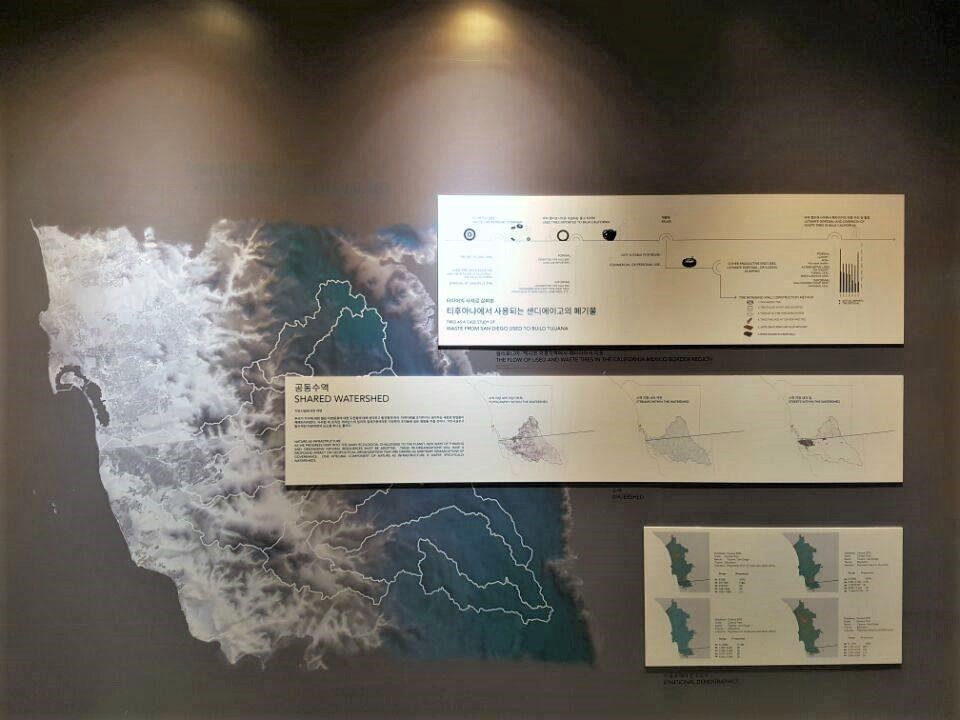
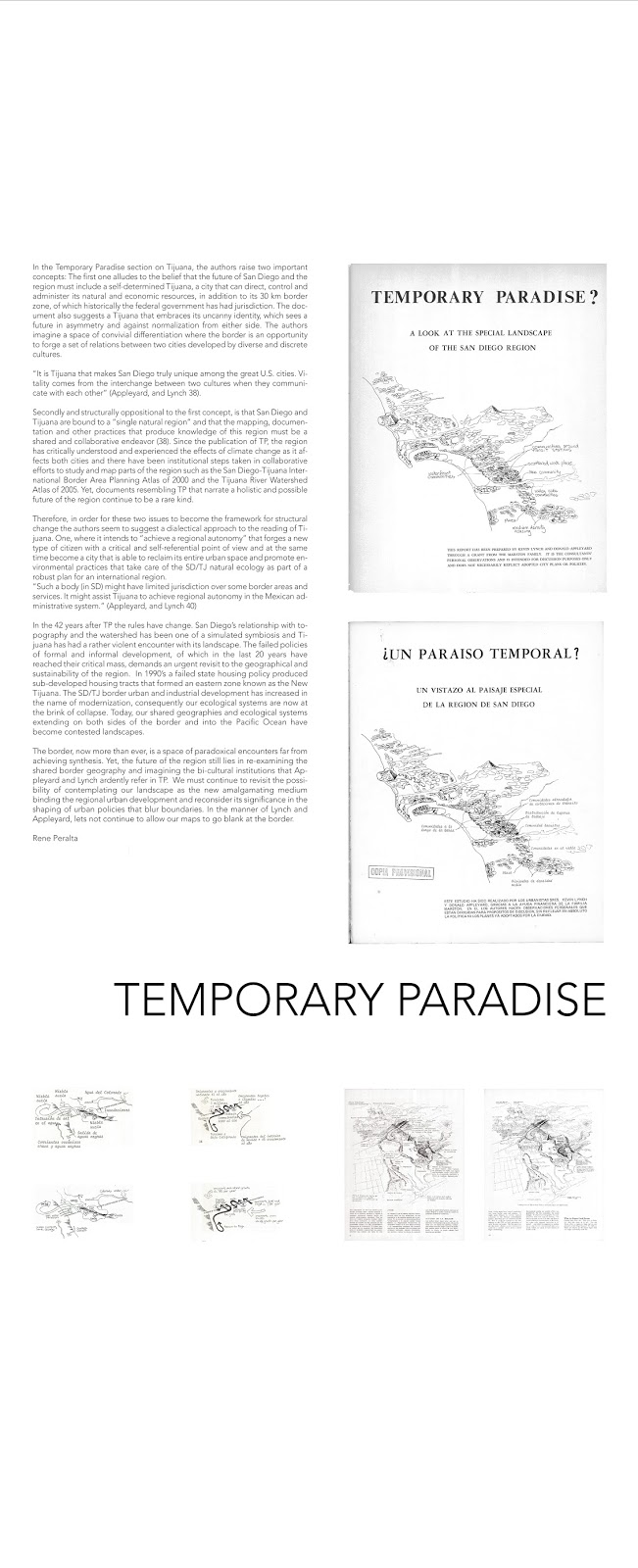
    The proposal for our work at the 2017 Seoul Architecture and Urbanism Biennale illustrates that after years of theories of socio-cultural hybridity and cross-border economic interaction, the shared landscape of the region could become the impetus for a different type of political framework. The Tijuana River Watershed and its natural systems can engender a new direction in the future planning of this mega region. The idea is not new, the Diegueño territory already spread across California and Baja California before the Spanish arrived. In 1974, Appleyard and Lynch focused on a shared landscape that encouraged novel cultural and economic forms and later in 1996 a watershed boundary systems was developed by Woodward and Durall, et al. 

    At this uncertain moment of the sustainability of our natural ecological systems, and the overreaching of global trade, we need to establish a new organic infrastructure that can spawn a new political spatial reality.
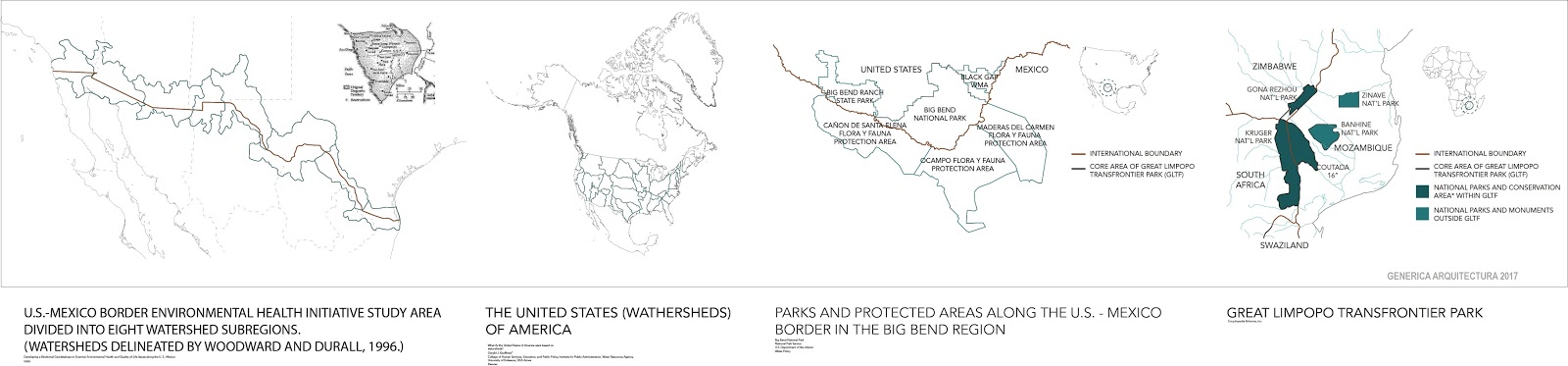
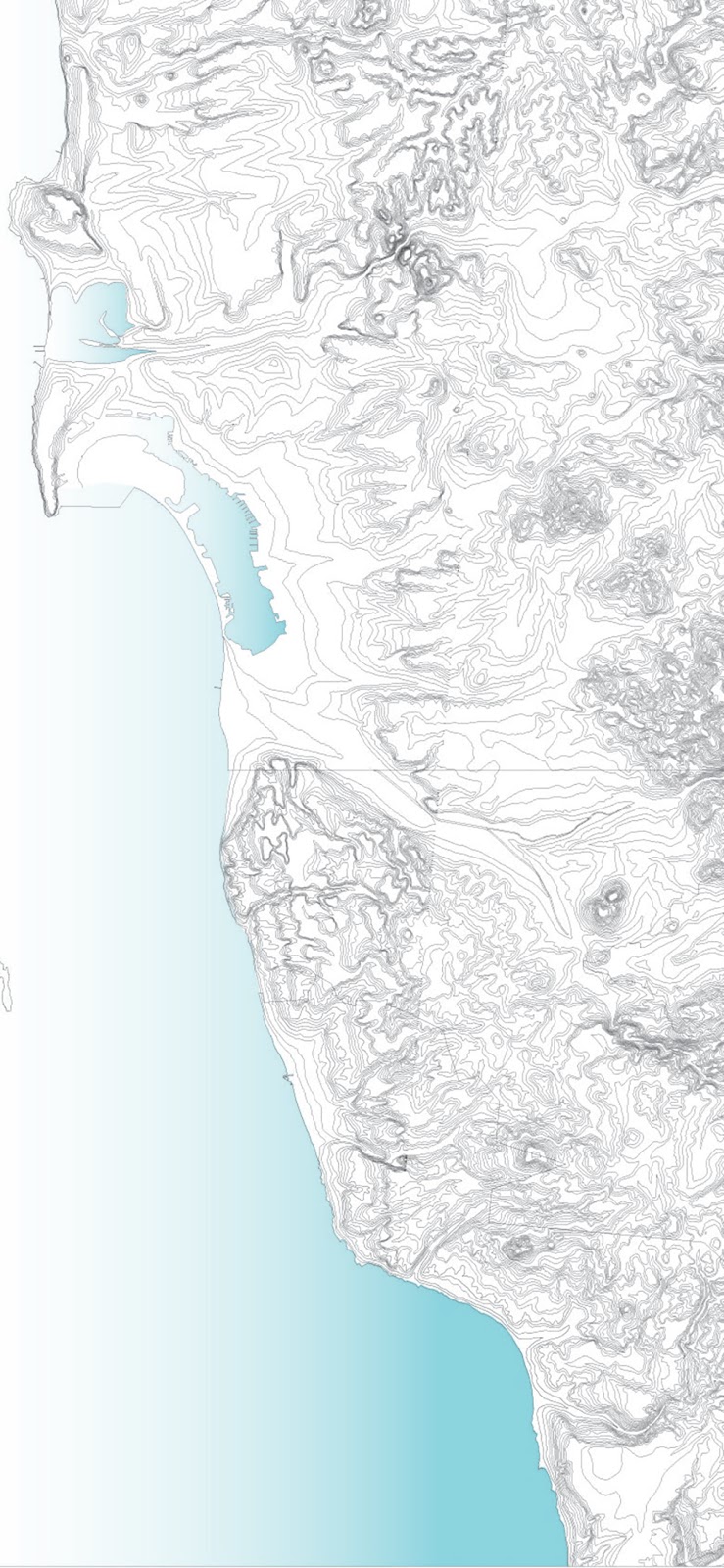
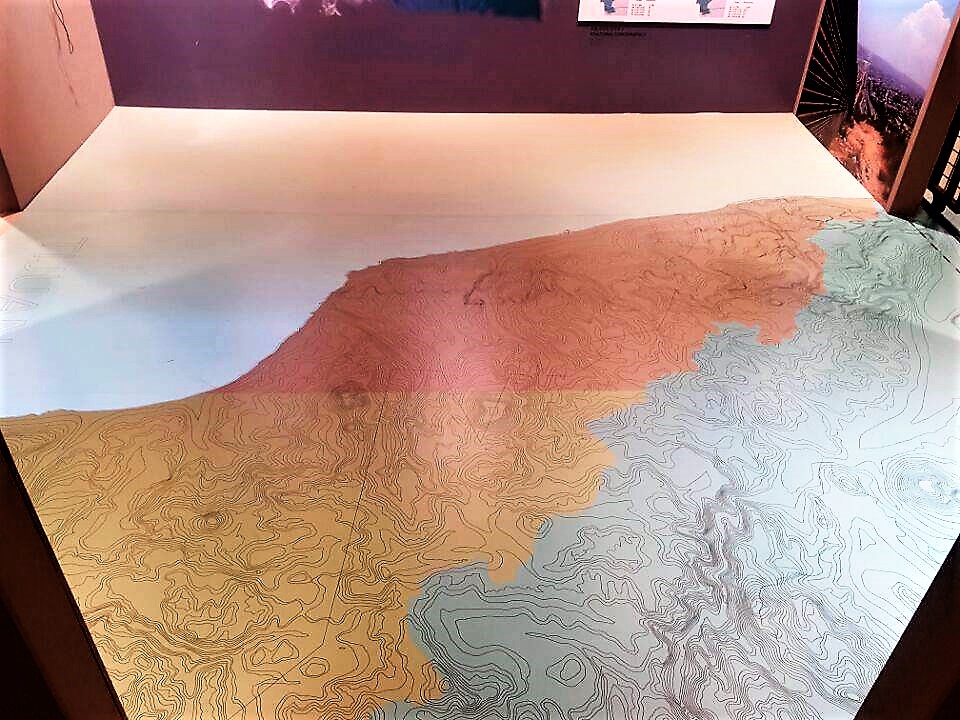
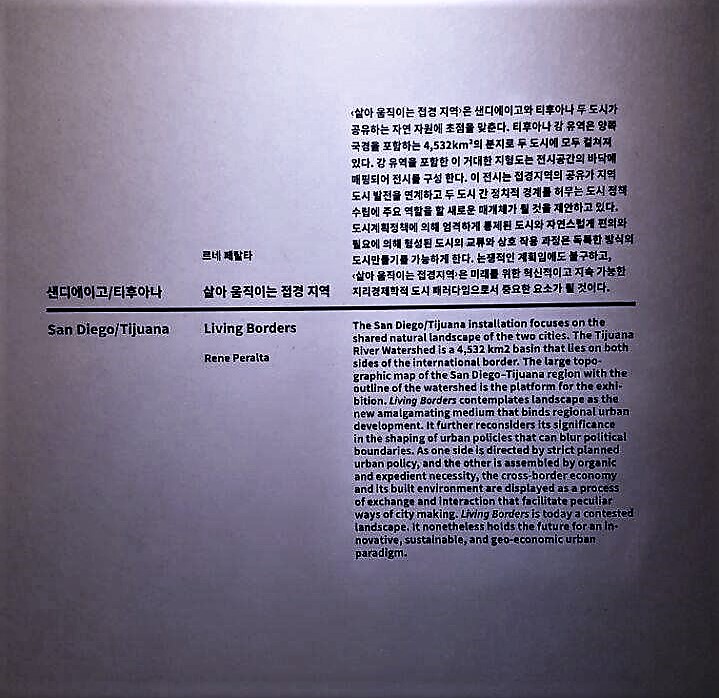
    The San Diego / Tijuana installation focuses on the natural landscape both cities share. The Tijuana River Watershed is a 4,532 km2 basin that lies on both sides of the international border. The large topographic map of the San Diego – Tijuana region with the outline of the watershed is the platform for the exhibition. 
    The exhibition proposes to contemplate landscape as the new amalgamating medium that binds regional urban development and reconsiders its significance in the shaping of urban policies that can blur political boundaries.

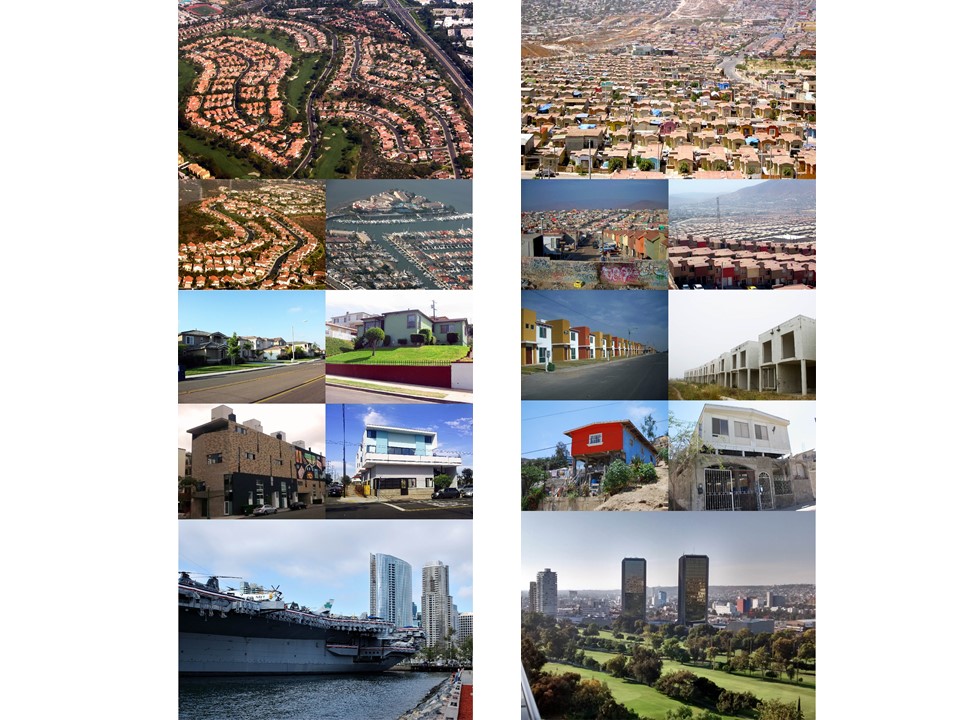
    The cross-border economy and built environment is displayed as a process of exchanges and interactions that allow peculiar ways of making the city, as one side is directed by strict and planned urban policy, the other side is assembled by organic and expedient necessity.
    Today, the Living Border is a contested landscape, nonetheless it also holds the future for an innovative, sustainable and geo-economic urban paradigm.
    La exposición de la región San Diego / Tijuana se centra en el paisaje natural que ambas ciudades comparten. La Cuenca del Río Tijuana con una superficie 4.532 km2 se encuentra en ambos lados de la frontera. El mapa topográfico de la región de San Diego – Tijuana que muestra el contorno de la cuenca se encuentra trazado en la superficie del piso de la sala de exposición. La exposición propone contemplar el paisaje como el medio que vincula el desarrollo urbano regional y reconsidera su importancia en la conformación de políticas urbanas que pueden desvanecer las fronteras políticas.

    La economía transfronteriza y el entorno construido se manifiestan como un proceso de intercambios e interacciones que permiten formas peculiares de hacer ciudad, ya que un lado está dirigido por una política urbana estricta y planificada, el otro lado es construido por una necesidad orgánica y oportuna.
    Hoy en día, la frontera viviente (Living Border) es un paisaje controvertido, pero también sostiene el futuro de un paradigma urbano transformador, sostenible y geoeconómico.

    Biennale Directors: Hyungmin Pai
    Alejandra Zaera-Polo
    50 cities exhibit curator: Helen Choi
    TJ/SD curator: Rene Peralta +Genérica Arquitectura
    Design team: Alejandro Santander, Denise Luna
    Project collaborator: Alberto Pulido. Elias Sanz
    Project consultants: Dr. Tito Alegria
    Dr. Jungmook Moon
    Institutional consultants:
    Instituto Metropolitano de Planeación, TJ
    San Diego State University
    San Diego Association of Governments
    El Colegio de la Frontera Norte
    Photo credits:
    Monica Arreola
    Alfonso Caraveo
    Gonzalo González
    Larry Herzog
    Sound art:
    Roberto Romero Molina (Tijuana)
    Margaret Noble (San Diego)
    Illustration art:
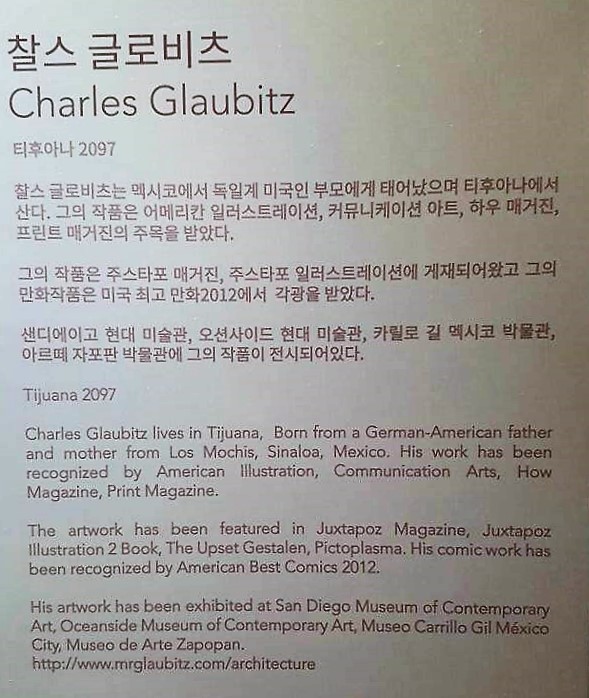
    Charles Glaubitz

  • As you all know by know, I am part of the Board of Directors of Fundacion Esperanza de Mexico (esperanzademexico.org)  a non profit organization that dedicates its energy to building homes for very low income families through community development in the city of Tijuana. 
    This year we are going to build our 1000 home after 25 years in service. The home is a special project, not only for being the one-thousand structure we build, but because its for a family with spacial needs. 

    Please take a moment to read about this family and help us reach our goal to build their home this summer 2017!
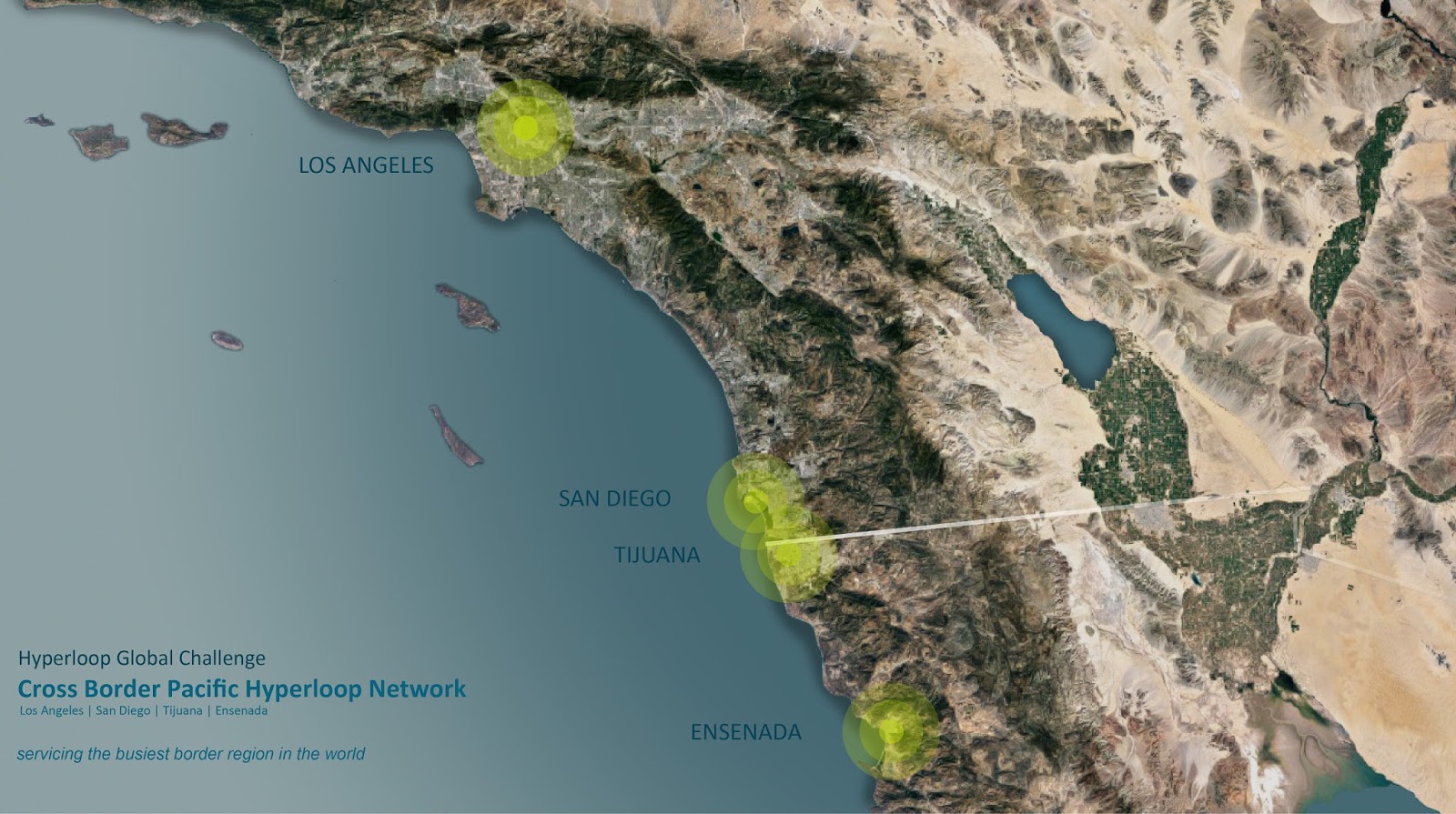
  • Hi everyone our proposal to bring 21st century transport technology to California is part of the Hyperloop Vision for America. I hope you agree with us that a LA-SD and later Ensenada can become a major upgrade to our transportation future; LA to SD in 12.5 minutes LA to Ensenada in 20 min. 
    Vote for our route!


    Nuestro Equipo Hyperloop One acaba de presentar en Washington DC una propuesta para implementar la tecnología de Hyperloop en la region Los Angeles – San Diego como primera etapa y luego extenderse a Ensenada. Los tiempos serian LA a SD en 12.5 minutos y LA a Ensenada en 20 minutos. 
    Voten por nuestra ruta LA-SD y entremos al mundo del transporte de pasajeros y carga del siglo 21!
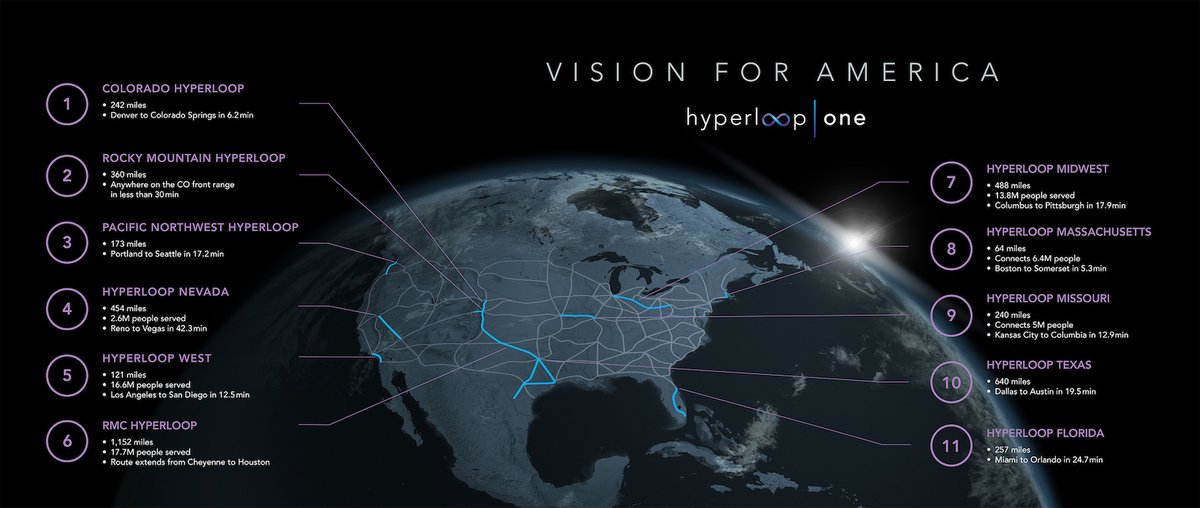


    Vote by clicking the link below
    https://poll.fbapp.io/visionforamerica/uZgMp1ezmggYBpcRtWHxdsEm?from=user_link


  • Thrilled to announce: The Cross Border Pacific Hyperloop Network team has been selected as one of the 35 semi-finalist from among 2,600 registrants for the Hyperloop Global Challenge. The team consists of Generica, Principal Rene Peralta; Design office, Principal Juan P Alatorre and estudio santander, principal Alex Santander.

    Muy emocionados de compartirles: Cross Border Pacific Hyperloop Network es uno de los 35 equipos seleccionado de mas de 2,600 para Hyperloop Global Challenge. El equipo lo compone Generica, Rene Peralta principal; Design Office, Juan P Alatorre y estudio santander, Alex Santander principal.
    From Hyperloop:

    After fielding 2,600 registrants in five months, Hyperloop One today released the locations of the 35 remaining semifinalist teams for its Hyperloop One Global Challenge. The Global Challenge kicked off in May 2016 as an open call to individuals, universities, companies and governments to develop comprehensive proposals for using Hyperloop One’s disruptive transport technology in their region to move passengers and freight point-to- point, swiftly, and on-demand. The semifinalists come from 17 countries, representing every continent except Antarctica. The US has 11 teams left, India 5 and the U.K. four. It’s a strong field: Twenty proposals come with commitments of support from local, state and federal governments and agencies. The company expects to announce the handful of finalists by May.

    “The Hyperloop One Global Challenge unleashed ideas from some of the world’s most creative
    engineers and planners, who care as much as we do about the future of transportation,” said
    Rob Lloyd, CEO, Hyperloop One. “These are all solutions that can make a real and immediate
    social and economic impact.”

    Después de revisar a 2.600 participantes en cinco meses, Hyperloop One publicó hoy las ubicaciones de los 35 equipos semifinalistas para su Hyperloop One Global Challenge. El Desafío Global se inició en mayo de 2016 como una convocatoria abierta a individuos, universidades, empresas y gobiernos para desarrollar propuestas integrales para el uso de la tecnología de transporte disruptiva de Hyperloop One en su región para transportar pasajeros y mercancías de punto a punto. Los semifinalistas vienen de 17 países, representando a todos los continentes excepto la Antártida. Estados Unidos tiene 11 equipos, India 5 y el Reino Unido cuatro. Veinte propuestas vienen con compromisos de apoyo de gobiernos locales y estatales y agencias federales. La empresa espera anunciar el grupo de finalistas en mayo.

    “El desafío global Hyperloop One desató ideas de algunos de los ingenieros y planificadores más creativos del mundo, que se preocupan tanto como nosotros por el futuro del transporte “, dijo Rob Lloyd, CEO de Hyperloop One. “Todas estas son soluciones que pueden hacer realmente e inmediatamente un impacto social y económico”

    http://thetechportal.com/…/hyperloop-global-challenge-teams/