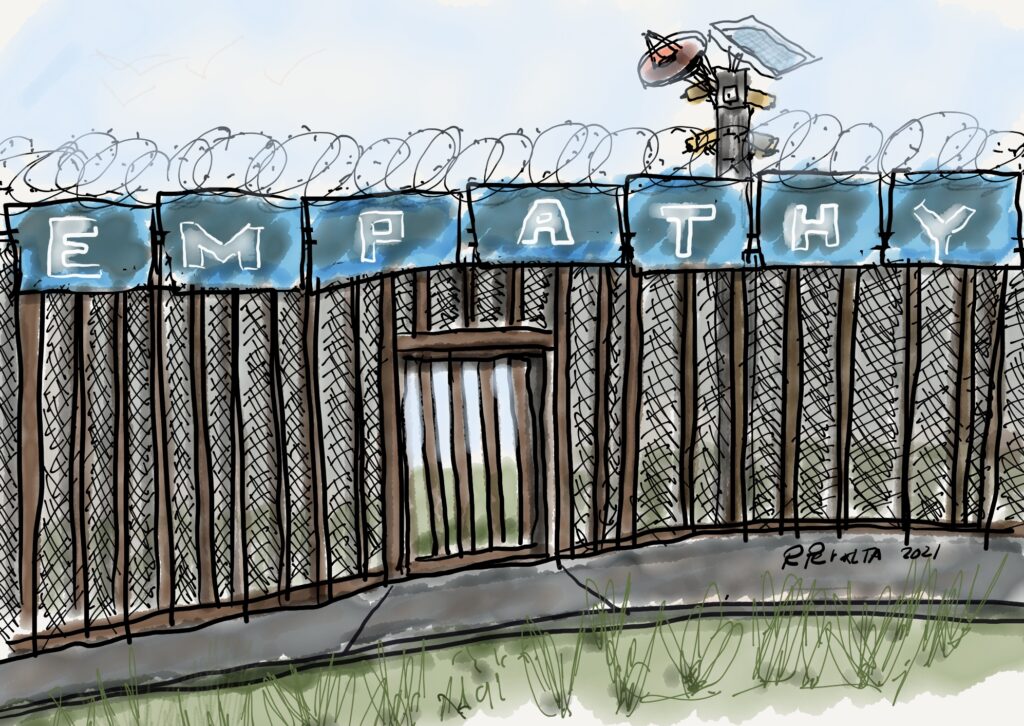
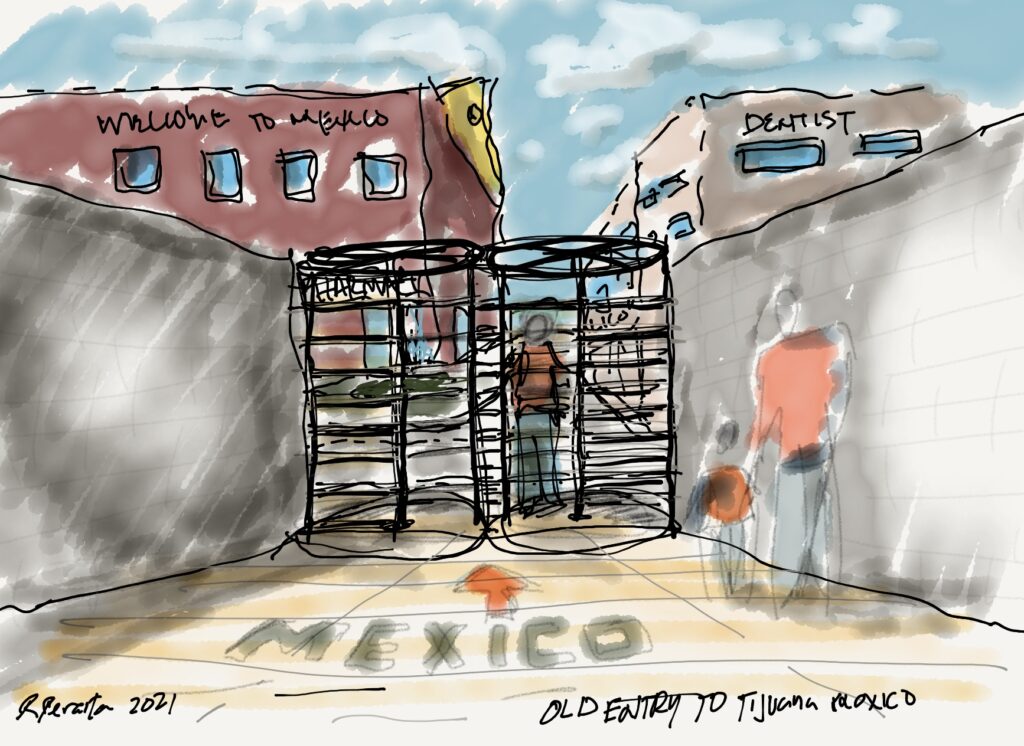
Ideas and speculations from the borderlands

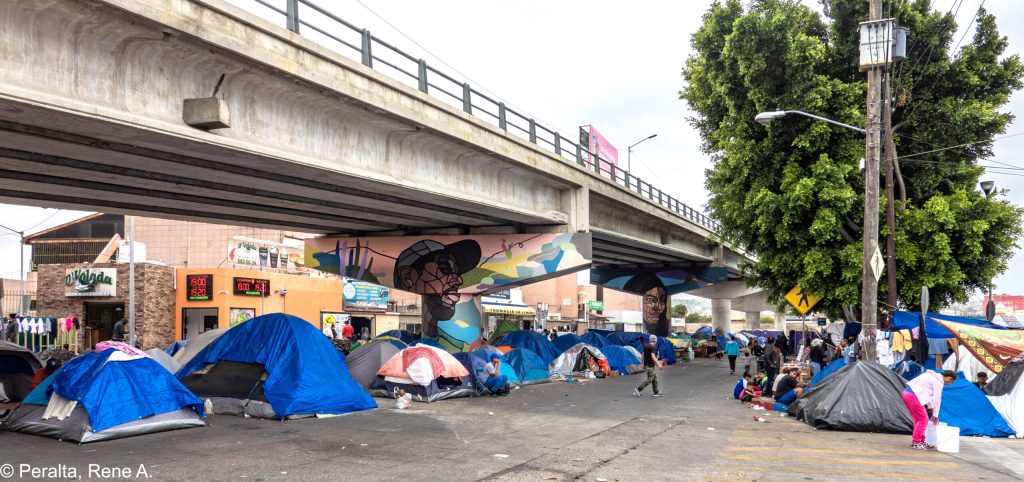
Tijuana has always been a city of migrants seeking a better standard of living. This includes the opportunity to cross to the other side_(USA) or to remain in the city and find employment in the manufacturing industry (which represents almost 50% of the economy) or in the service sector, which is supported by leisure tourism, medical tourism or the culinary industry.
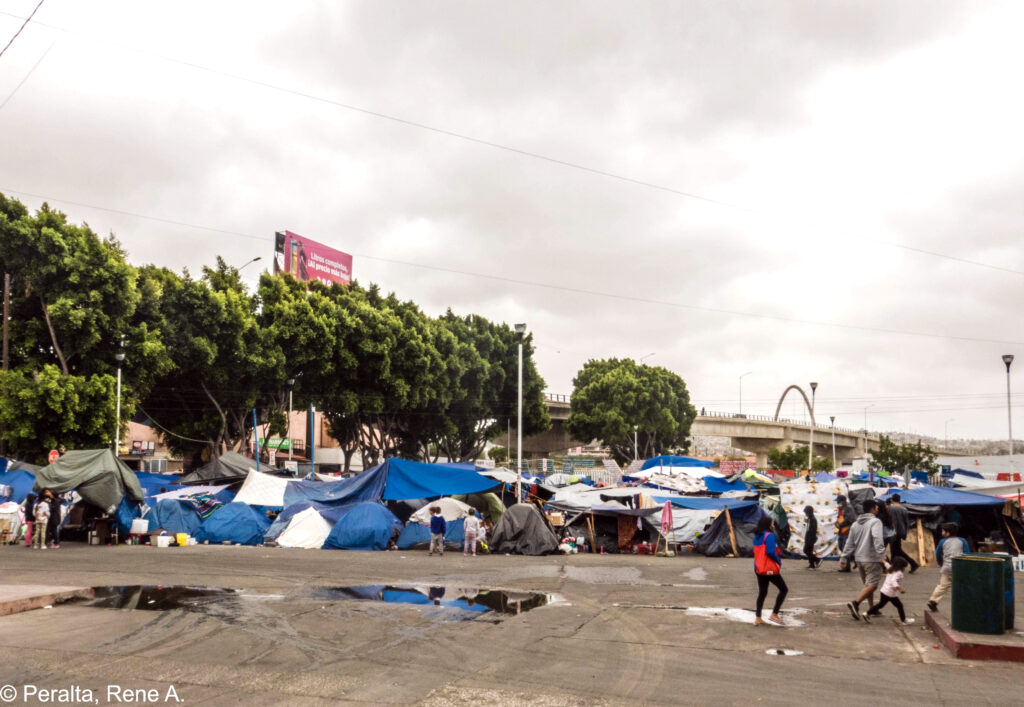
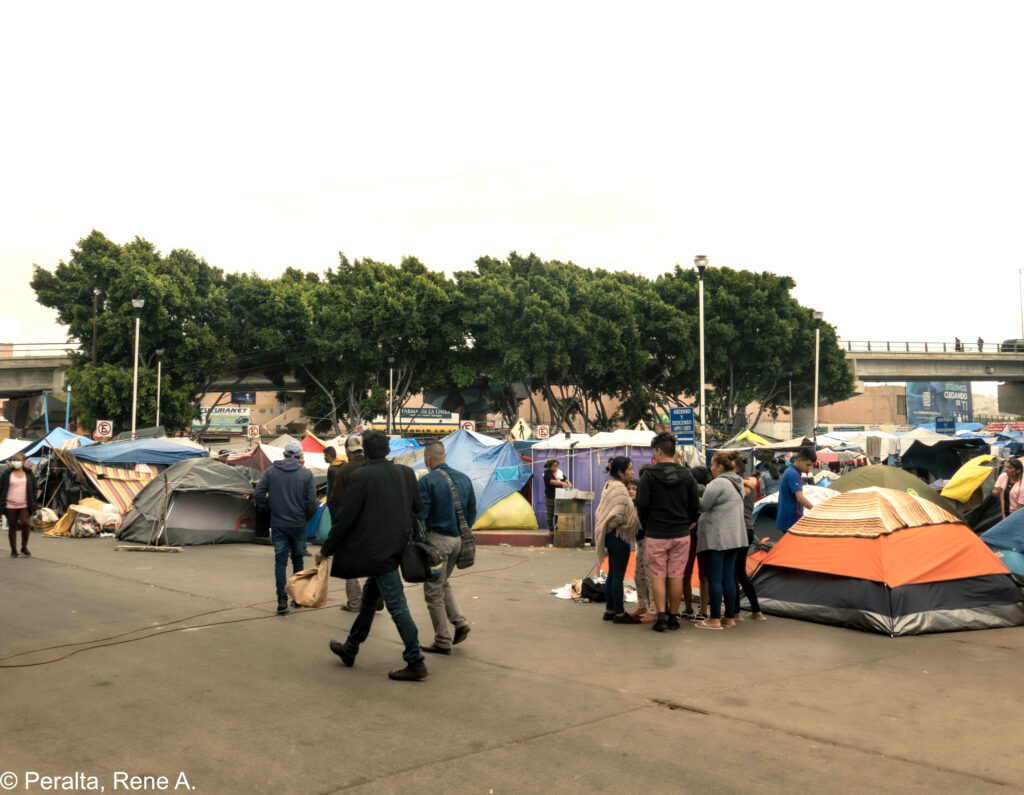
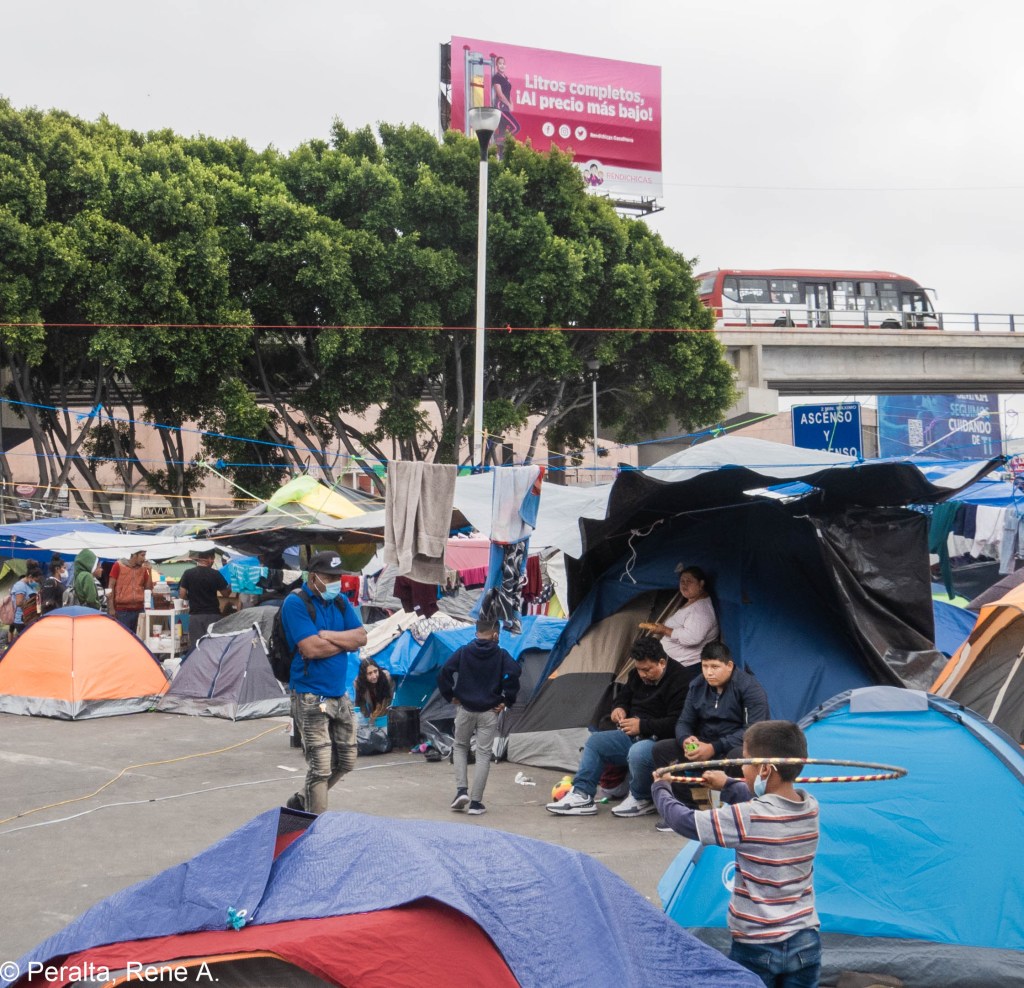
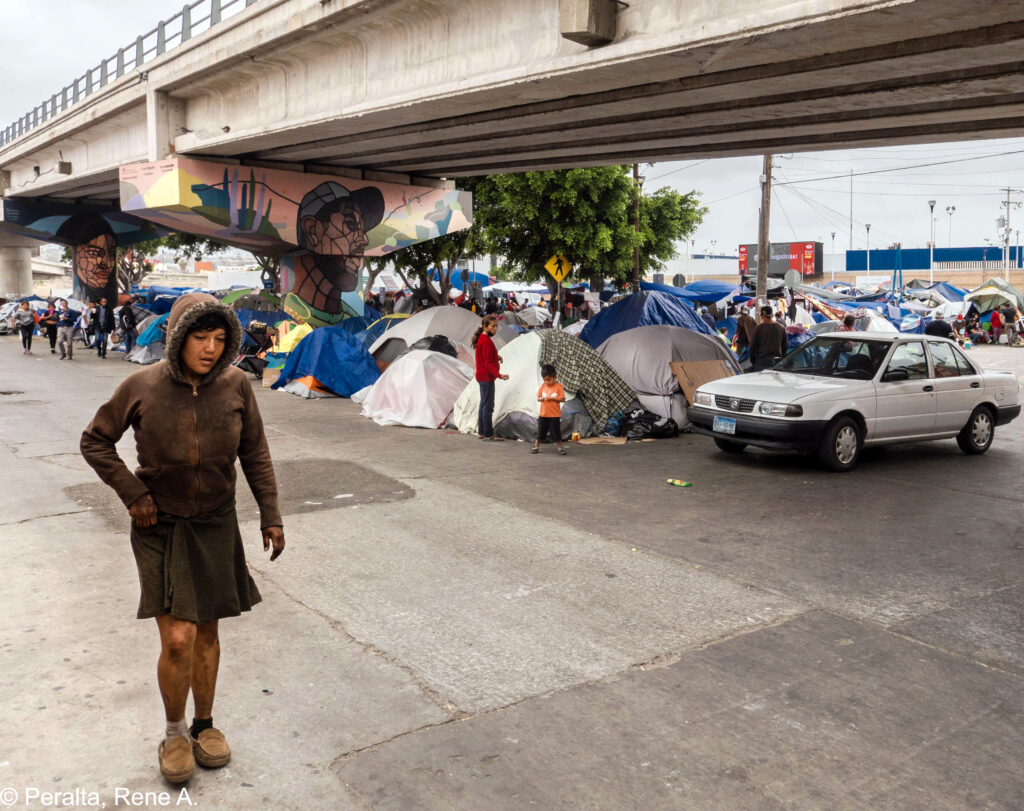
Currently, the city is experiencing an influx of migrants from Central America and the Caribbean. They settled along the border between San Diego and Tijuana in organized groups. Their hope is that the Biden administration will respond to their request in a more humane manner. The photographs depict the current and growing migrant camp in Tijuana, including families, young adults, individuals with disabilities, and vulnerable people.
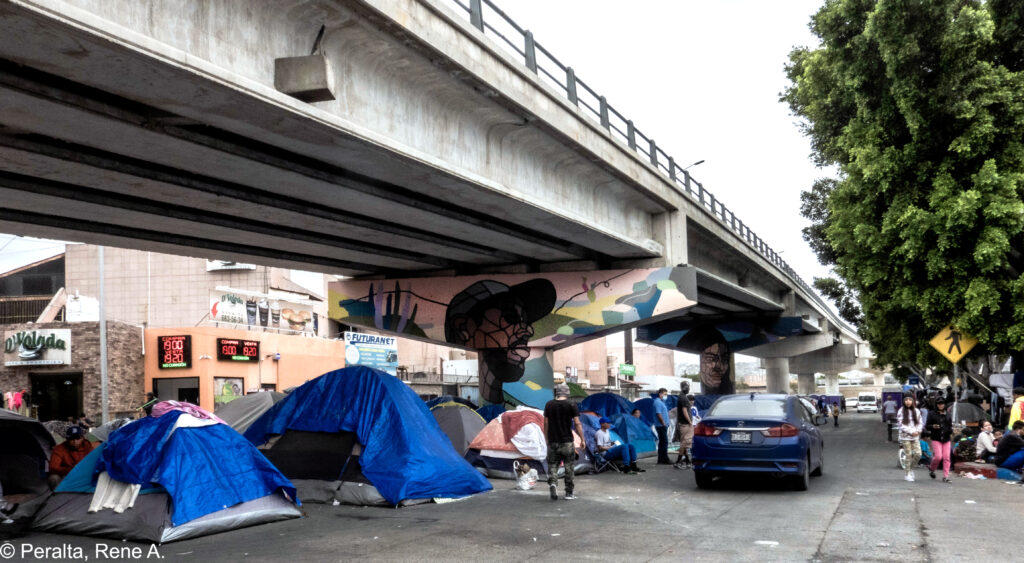
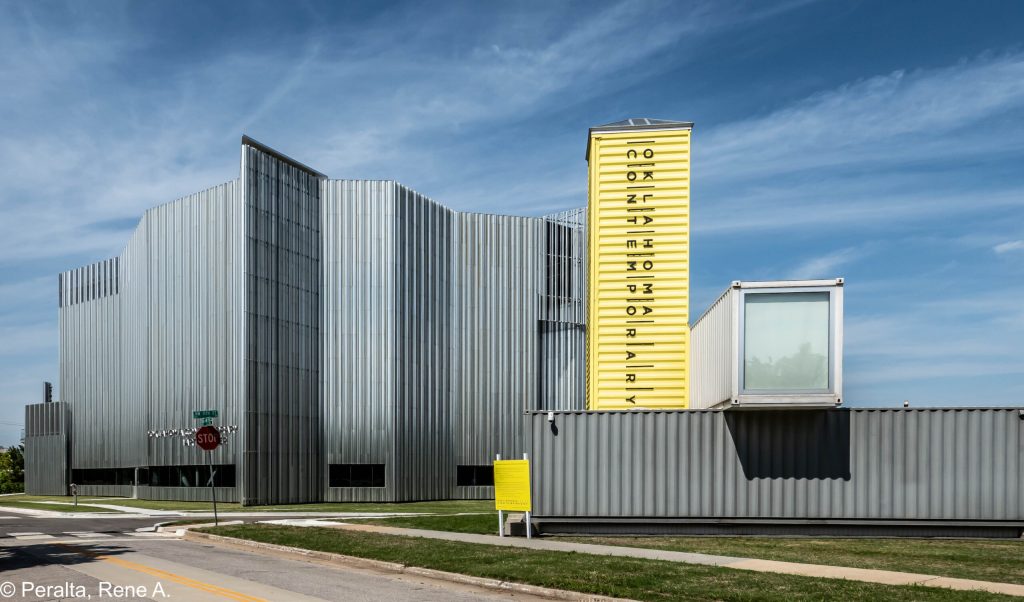
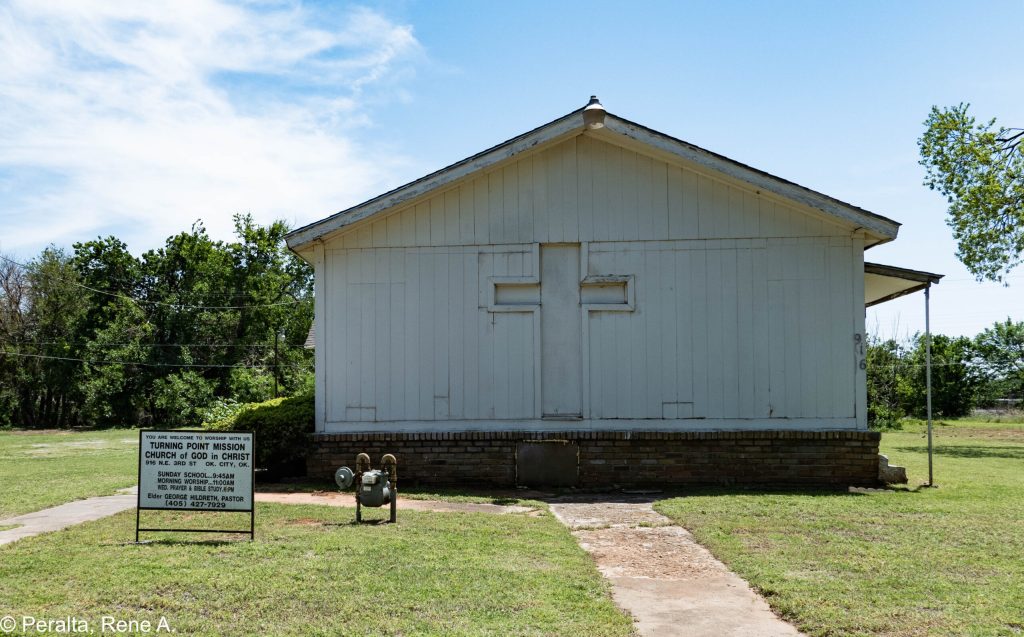
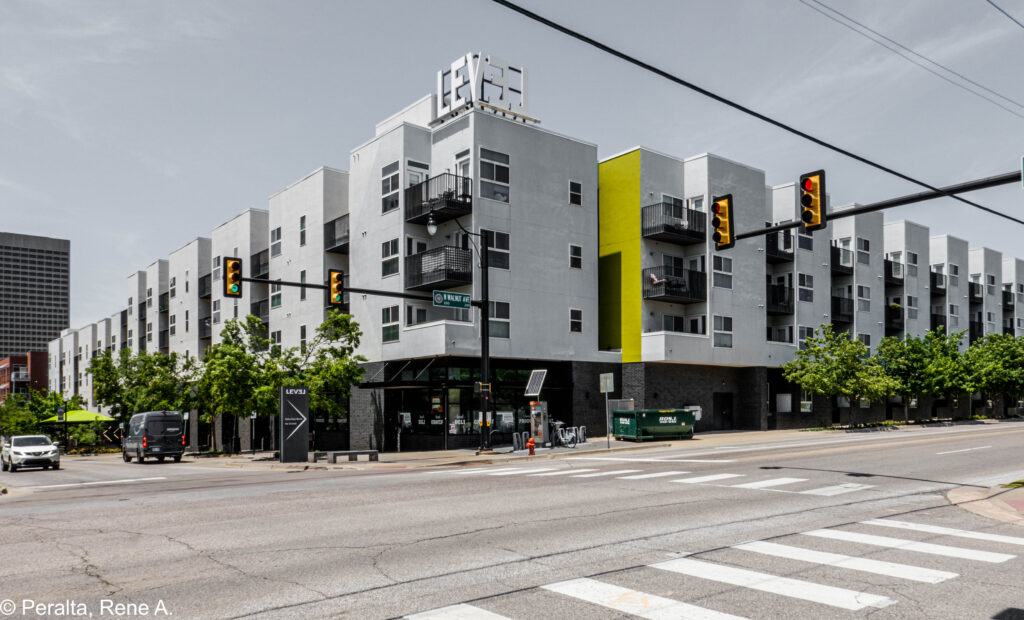
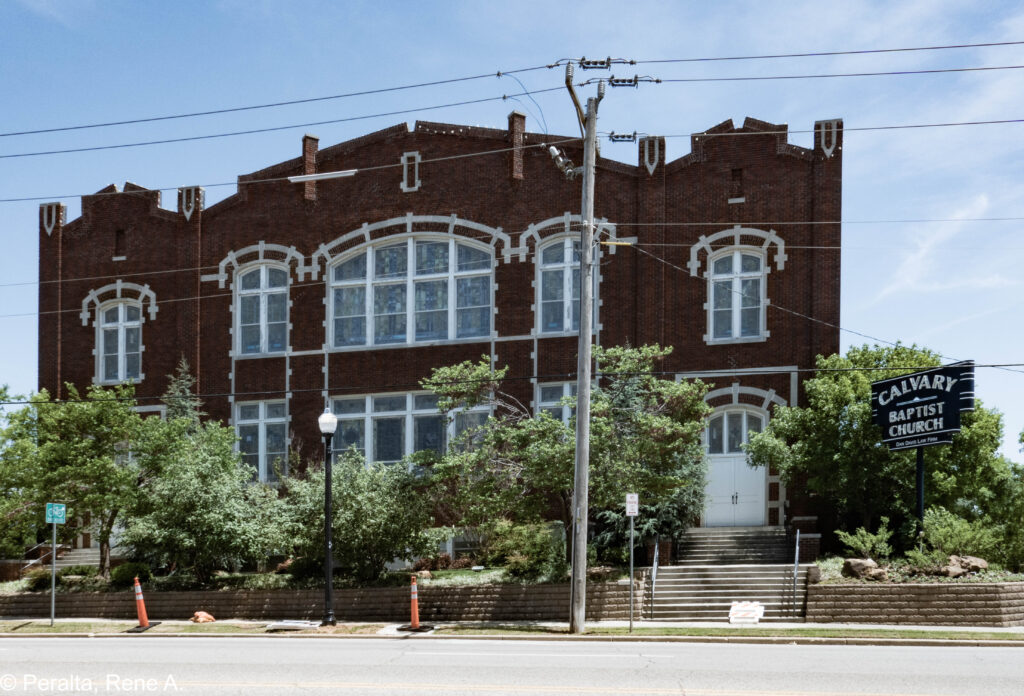
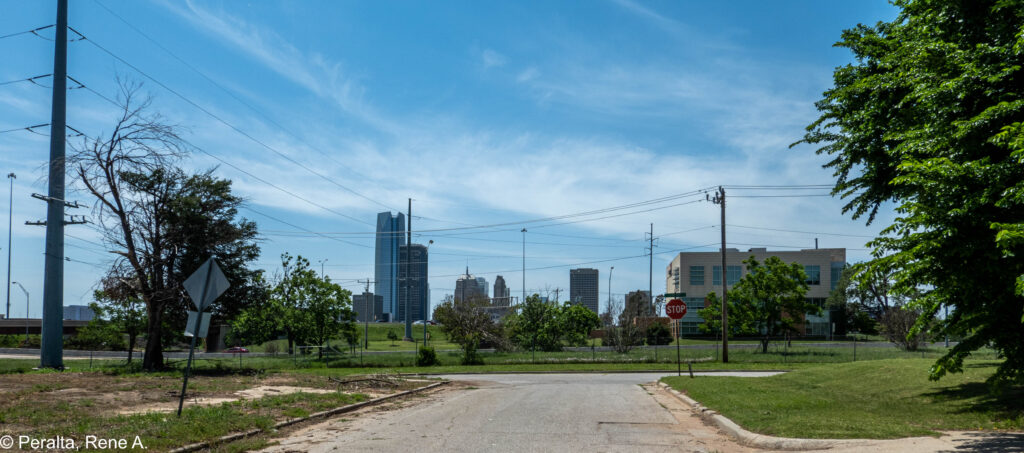
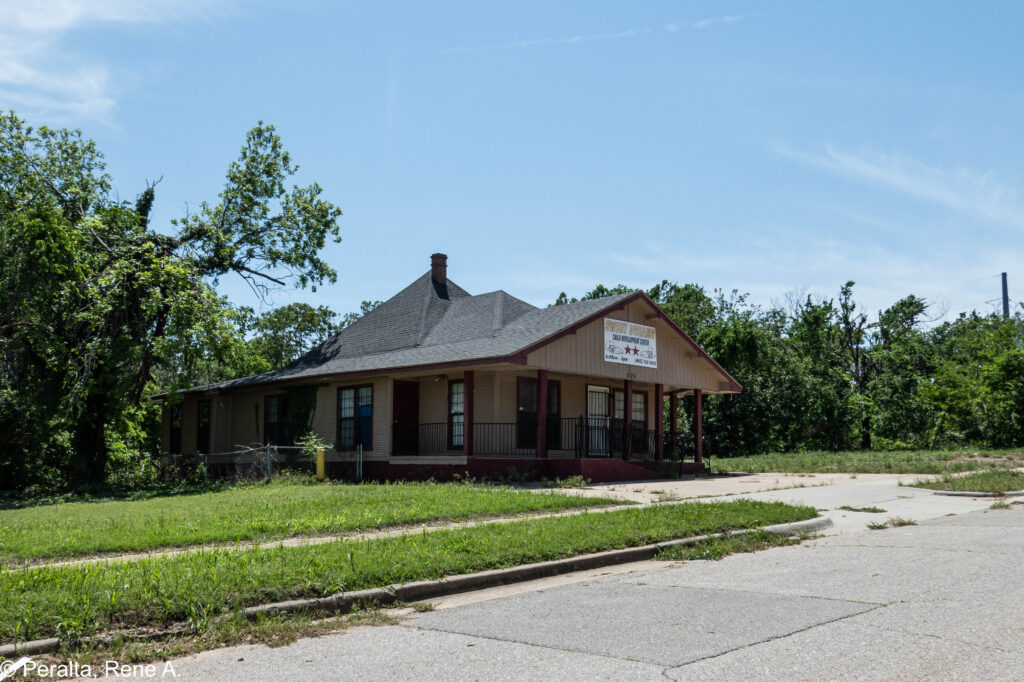
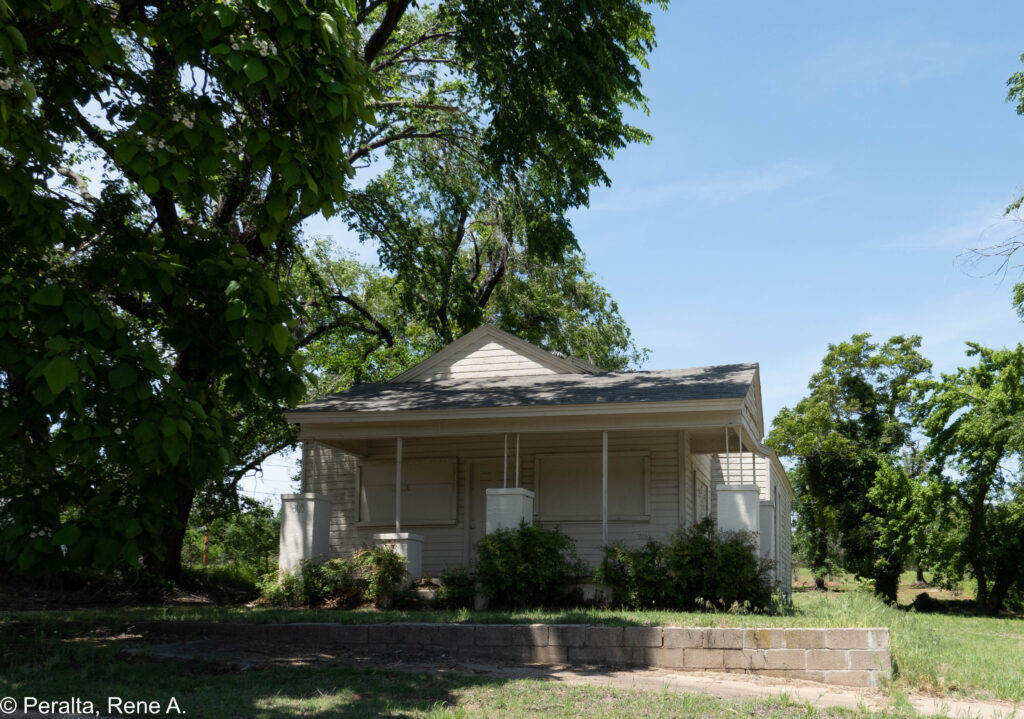
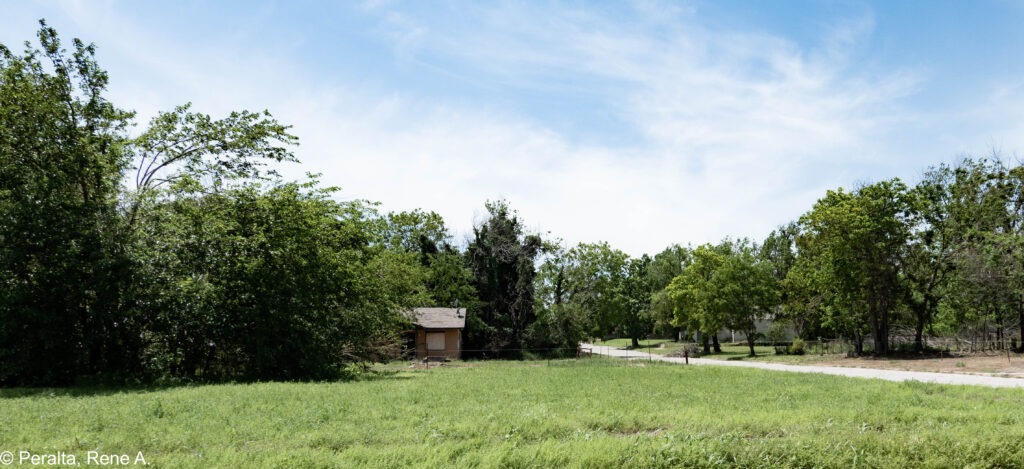
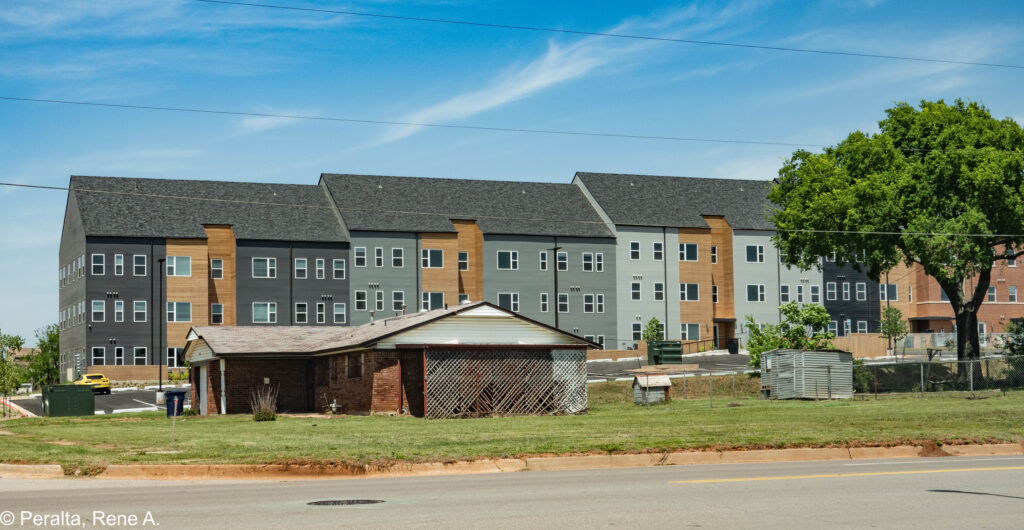
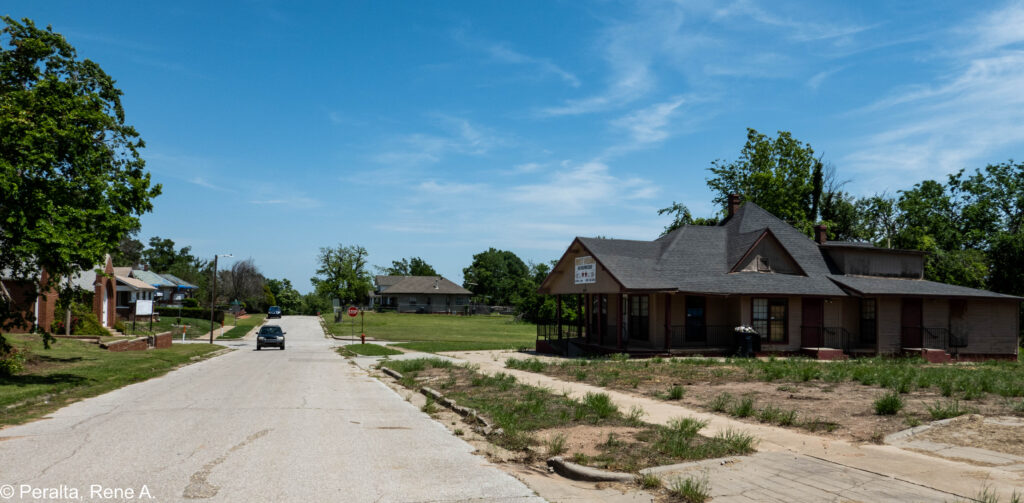
Deep Deuce es una colonia histórica en la ciudad de Oklahoma. Desde el siglo XX la mayoría de sus habitantes han sido afro-americanos, fue una comunidad donde se tocó mucho el jazz, donde Martin Luther King dio un gran discurso en la Calgary Baptist Church antes que lo hiciera en Washington (1963).
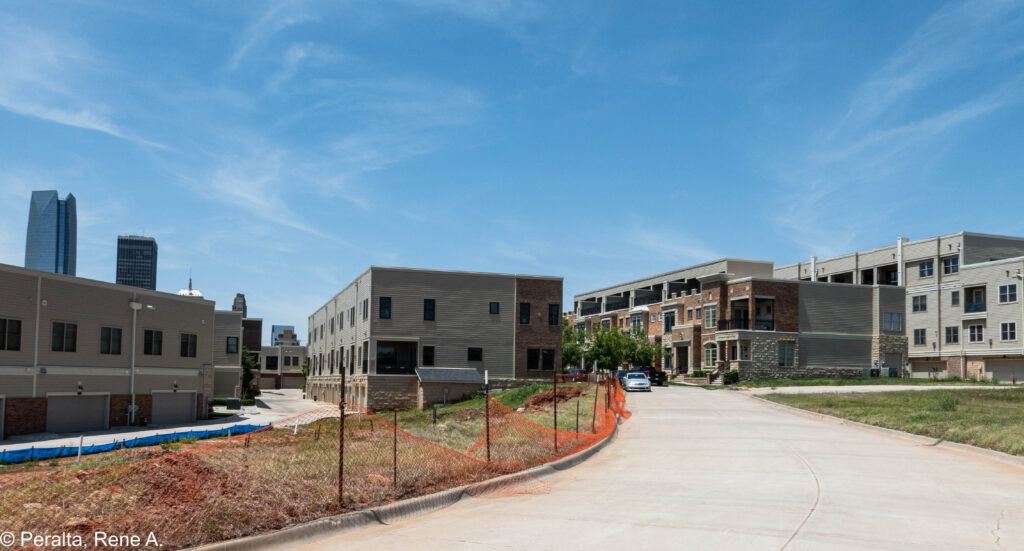
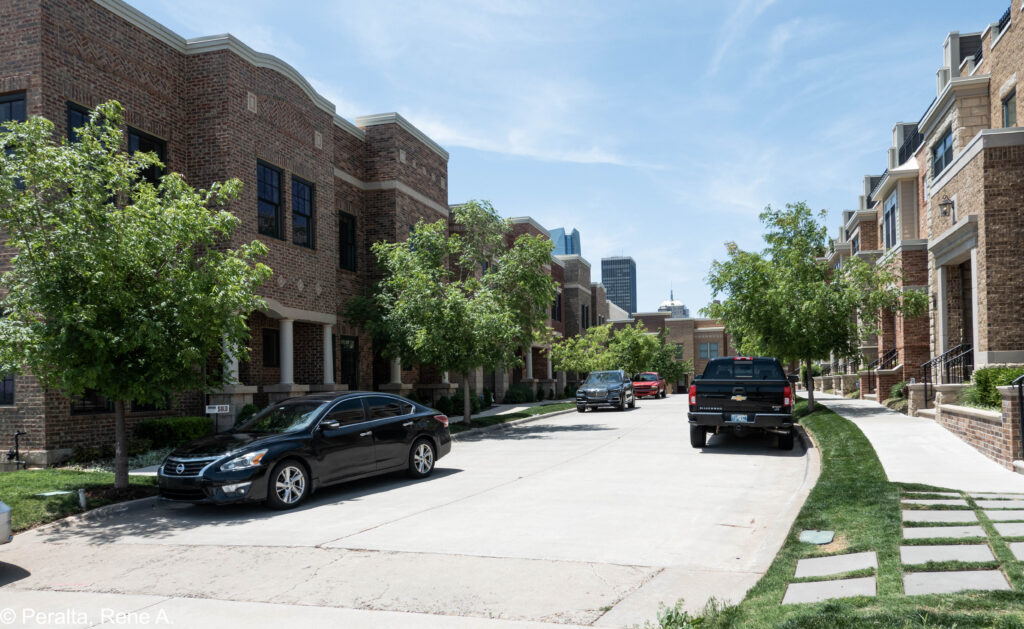
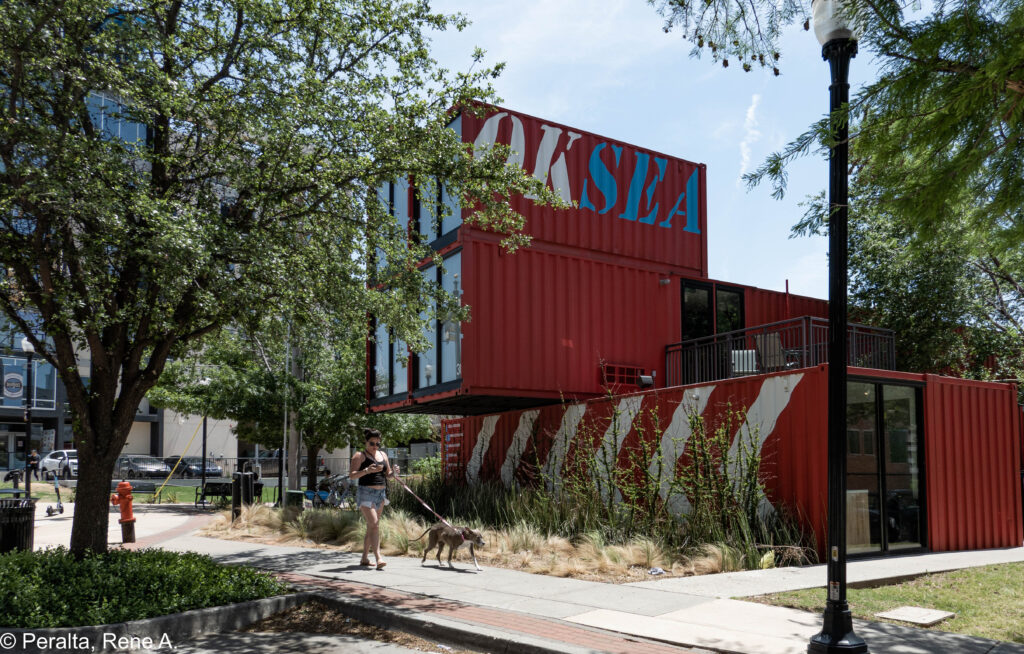
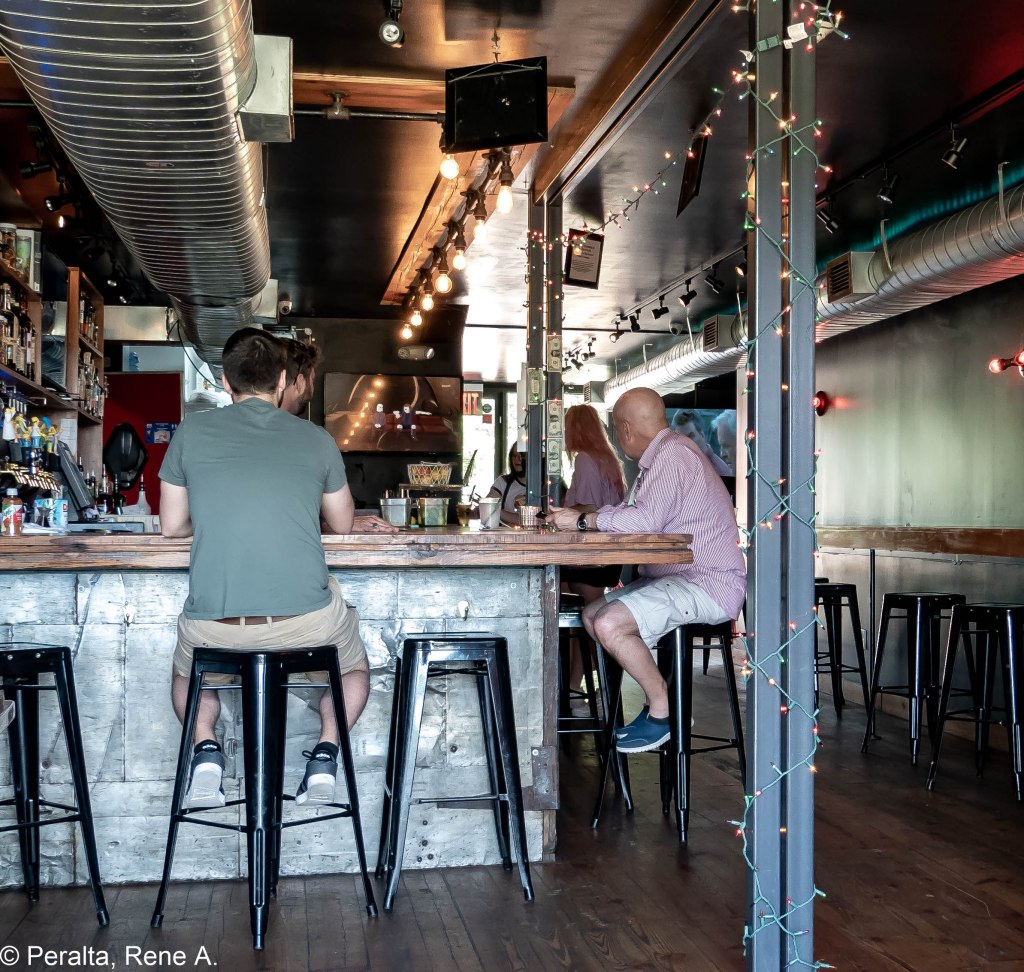
En la década de los 80’s y como en muchas ciudades de Estados Unidos, se construyó una carretera (por donde pasaba una via de tren) que dividió a la comunidad en dos partes. Hoy estas dos partes son desiguales, la del Oeste y más cercana al centro de la ciudad ha tenido un desarrollo urbano “progresivo” convirtiéndole en un barrio hípster con nuevos edificios de vivienda, cafés, cervecerías (de 9 dlls por pinta) entre otros “amenities”. Mientras el lado Este está olvidado con la mayoría de sus casa y comercios históricos derrumbados, una zona donde solo quedan pocas casas y pequeñas construcciones adaptadas en guarderías y centro comunitarios. Esta es la realidad del desarrollo sin ciudad, urbanismo de mercado, gentrificación, racismo y olvido.
Deep Deuce is a historic settlement in Oklahoma City. Since the twentieth century, most of its inhabitants have been African Americans, it was a community where jazz was played, where Martin Luther King gave a great speech at the Calgary Baptist Church before the one in Washington D.C. (1963).
In the ’80s and as in many cities in the United States, a highway was built (where a railroad used to pass) that divided the community into two zones. Today these zones are unequal, the west side is closer to downtown has gone through “progressive” urban development turning it into a hipster neighborhood with new residential buildings, cafes, breweries (9 dollars per pint) among other “amenities”. While the east side has been forgotten and most of its historic houses and businesses demolished. Only a few houses and small buildings have been adapted into daycare and community centers. This is the reality of development without urbanism, market development, gentrification, racism, and complete oblivion.
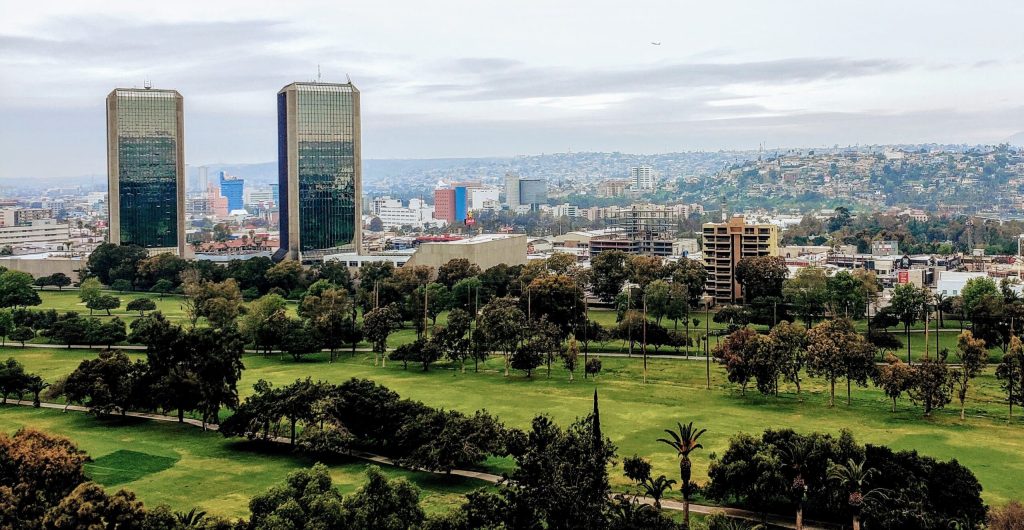
Aqui les dejo mi opinion sobre el Campestre en esta nota para el LA Times por Rivemar Guadalupe a quien la agradezco por la publicación.
Below is my opinion about El Campestre in this article for the LA Times by Rivemar Guadalupe to whom I thank for the publication.
See LA Times Article Here.
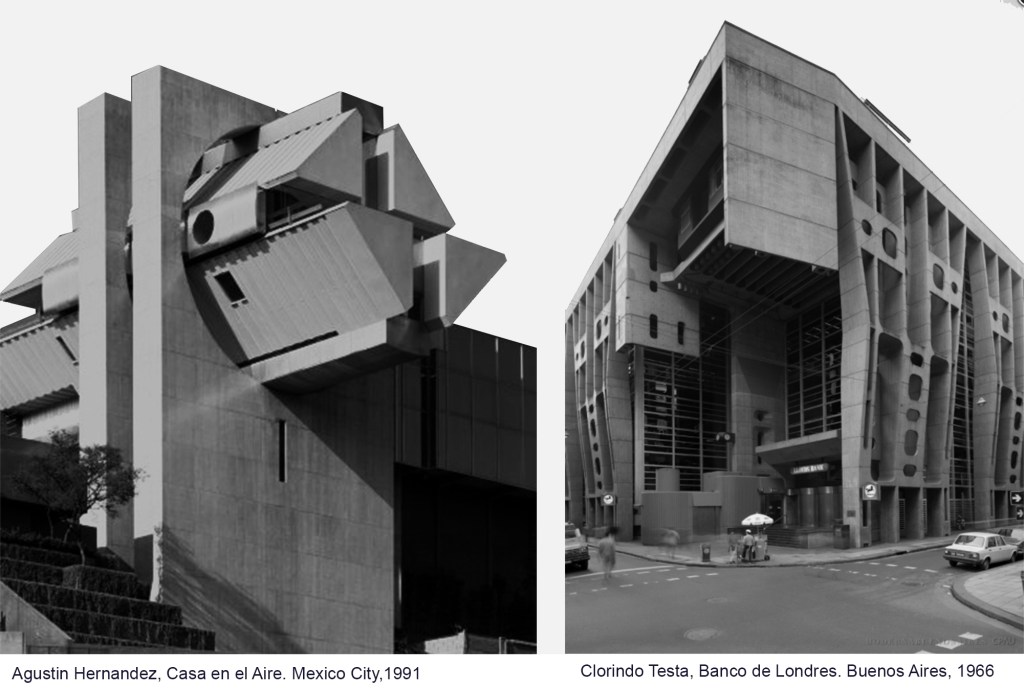
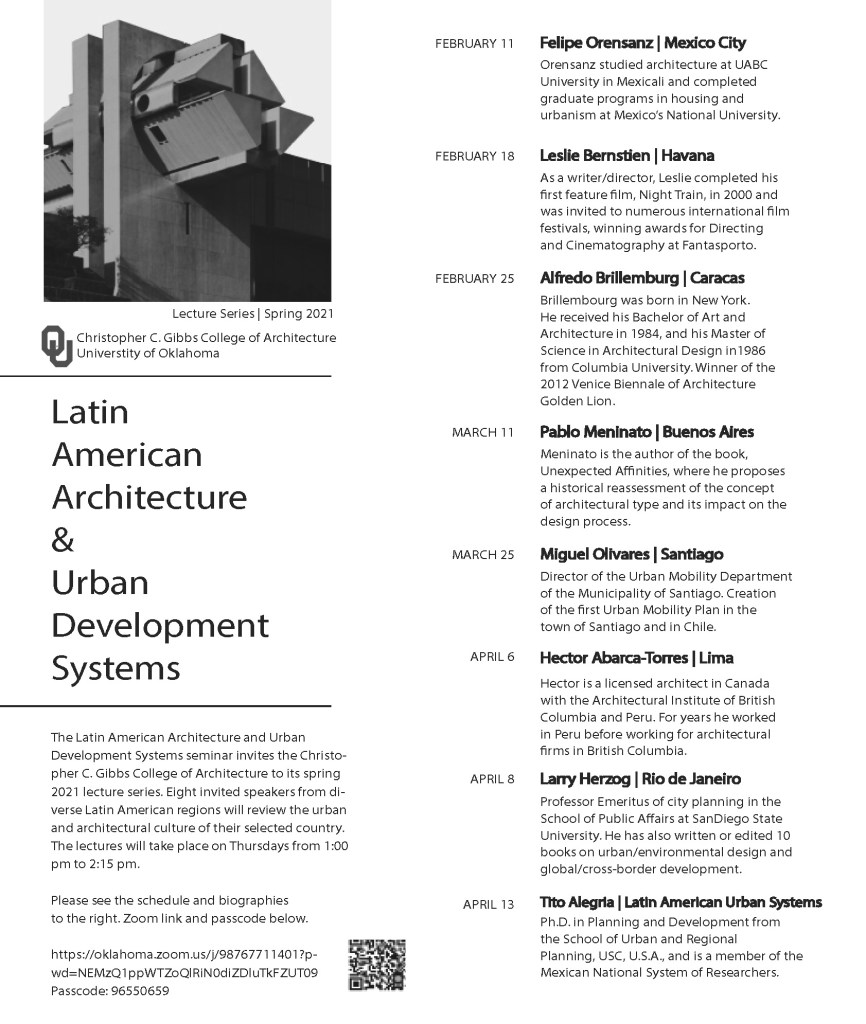
See all Lectures in the Christopher C. Gibbs School of Architecture Youtube Channel
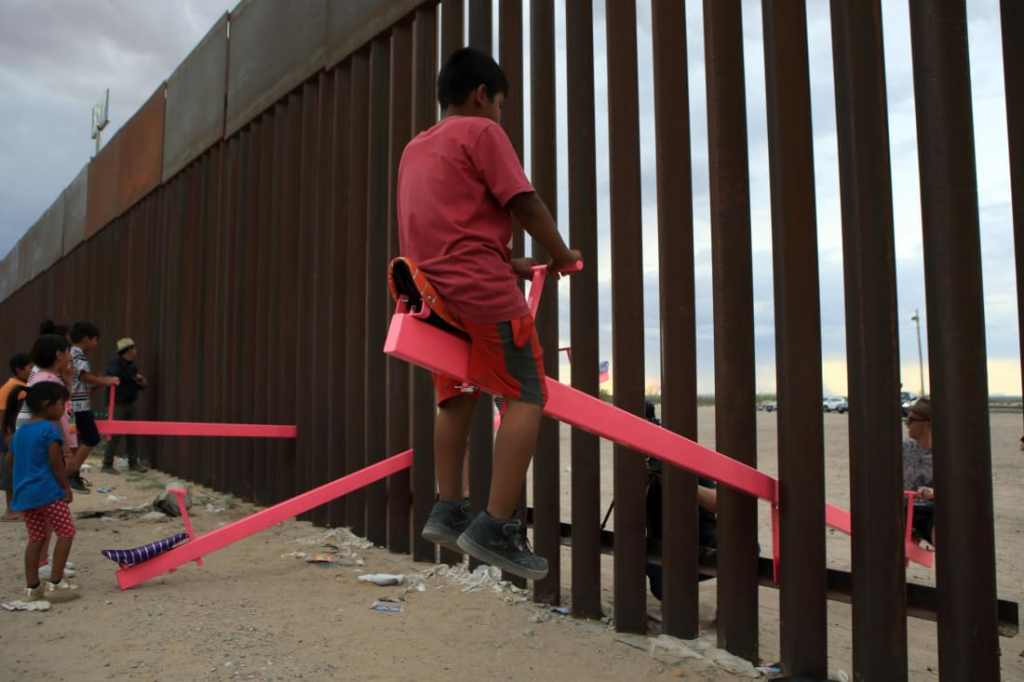
A seesaw for kids on the US-Mexico border wins Beazley Design of the Year.
I have a lot of criticism about this project. For those of us who live the border day to day, we know well its complexity, its economic dynamics and also the violence that it produces (drug trafficking, human trafficking, xenophobia, etc.). This project, although I recognize that it is a kind of parody, a “game” of meanings, I believe that its perspective is myopic. It is the danger where we architects fall when we think that objects are the only thing we can intervene to improve human and non-human lives.
Tengo muchas criticas sobre este proyecto. Para nosotros que vivimos el dia a dia la frontera conocemos bien su complejidad, su dinámica económica y también la violencia que produce (narcotrafico, trata de personas, xenofobia, etc.) Este proyecto aunque reconozco que es una especie de parodia, “juego” de significados creo que su perspectiva es miope , el muro es un objeto que intervenir pero la vision completa de su efecto es borrosa y chistosita. Es el peligro donde caemos los arquitectos cuando pensamos que los objetos son lo único que podemos intervenir para mejorar las vidas humanas y no-humanas.
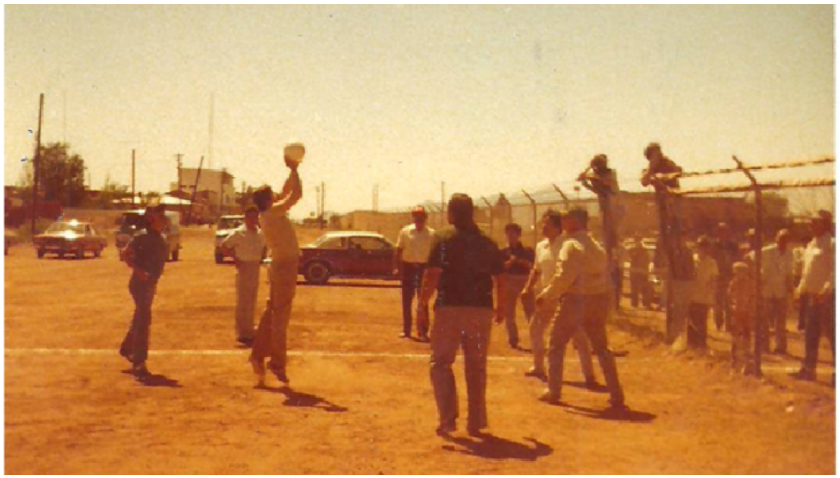
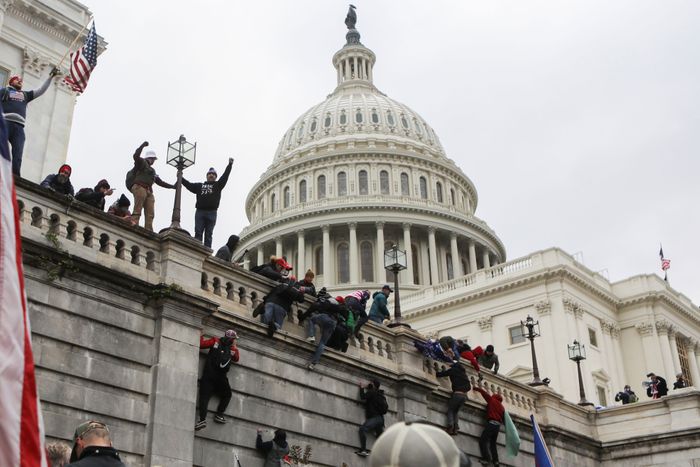
This article is interesting and very timely with what happened in Washington on Wednesday. If we continue to represent power with obsolete and hierarchical architectural symbols, citizens will feel repressed and will never know what and how a democratic space is created. It is also interesting that Donald Trump wanted to decree that all government buildings should maintain their neo-classical aesthetics as symbols of political and economic power.
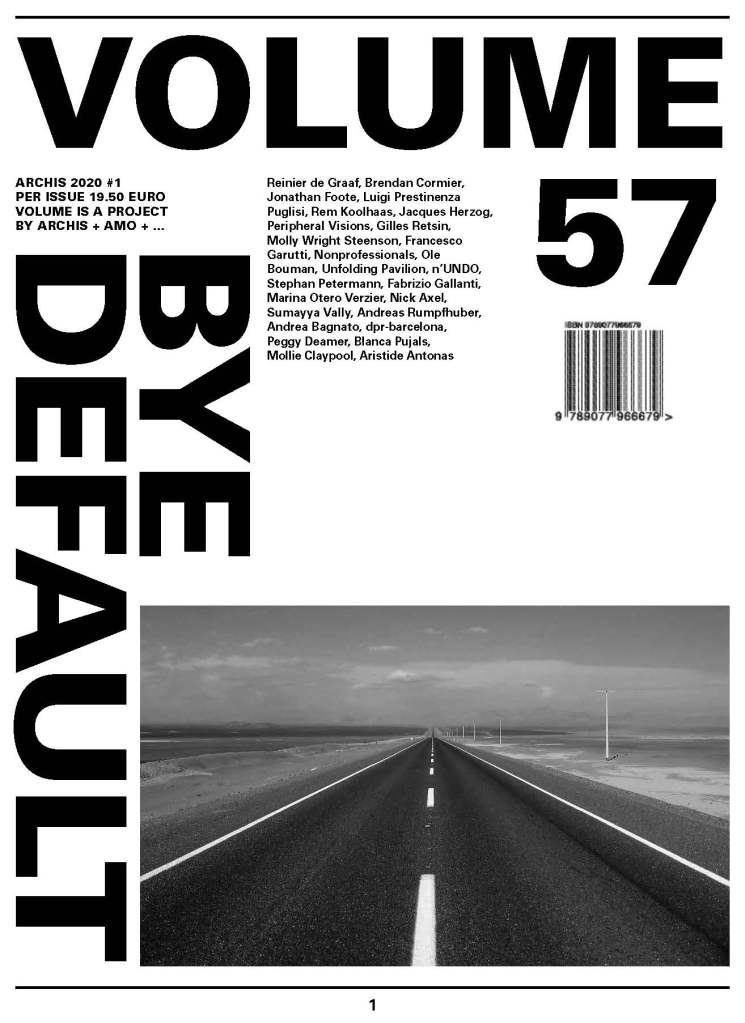
The Solipsism of Architecture by Ole Bouman
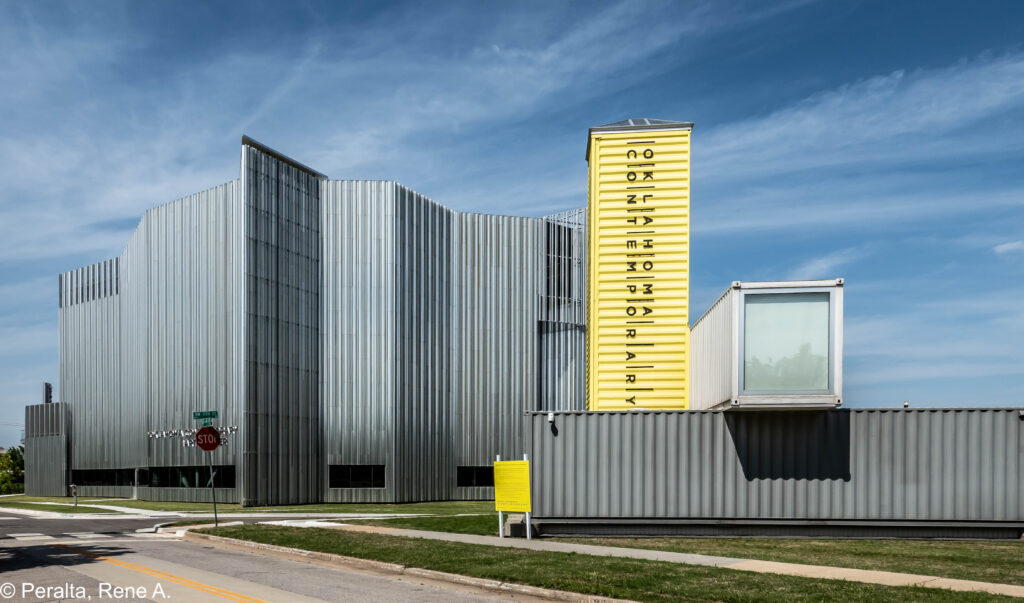
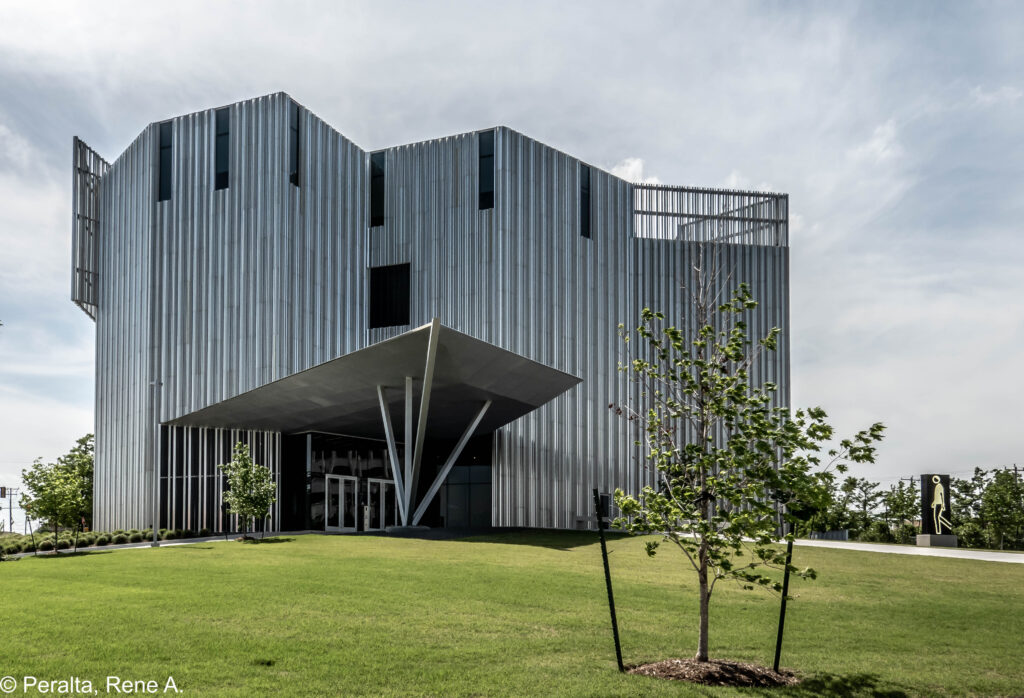
 Pensamientos Genericos