• Media in the Americas


    Hi All
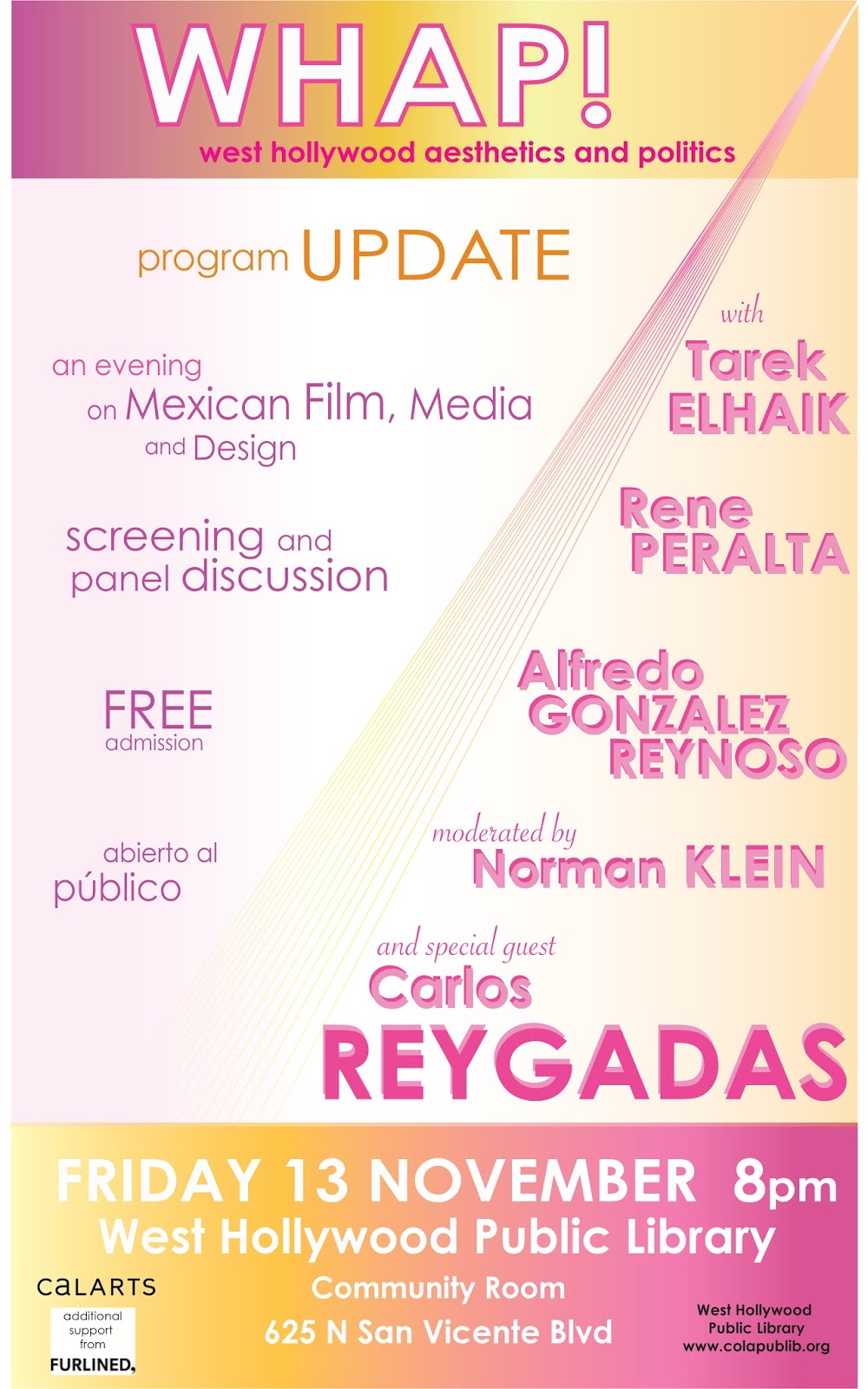
    On Nov 13 come to the second event I am coordinating with Norman Klein and Cal Arts
    with special guests Tarek Elhaik (UC Davis) Alfredo Gonzalez (UABC) Rene Peralta (Woodbury), Norman Klein (CalArts) and Mexican film director Carlos Reygadas
  • Oldie but Goodie: Hybridization instead of Gentrification!

    (ReMix) Use
    Re-contextualizando el concepto de uso mixto en la ciudad contemporánea.
    Las ciudades al final del siglo 20 y principio del siglo 21 son el escenario de la lucha sociocultural en contra del dominio global, y se dirigen hacia una diferenciación cultural donde los individuos pueden hacer reclamo a distintas identidades en diferentes tiempos y lugares. Convirtiendo el espacio urbano de la ciudad en una reflexión sobre el estado transitorio de la vida social.
    Nezar AlSayyad, Hyrbid Urbanism, On the Identity Discourse and the Built Environment
     1. Edificios Híbridos

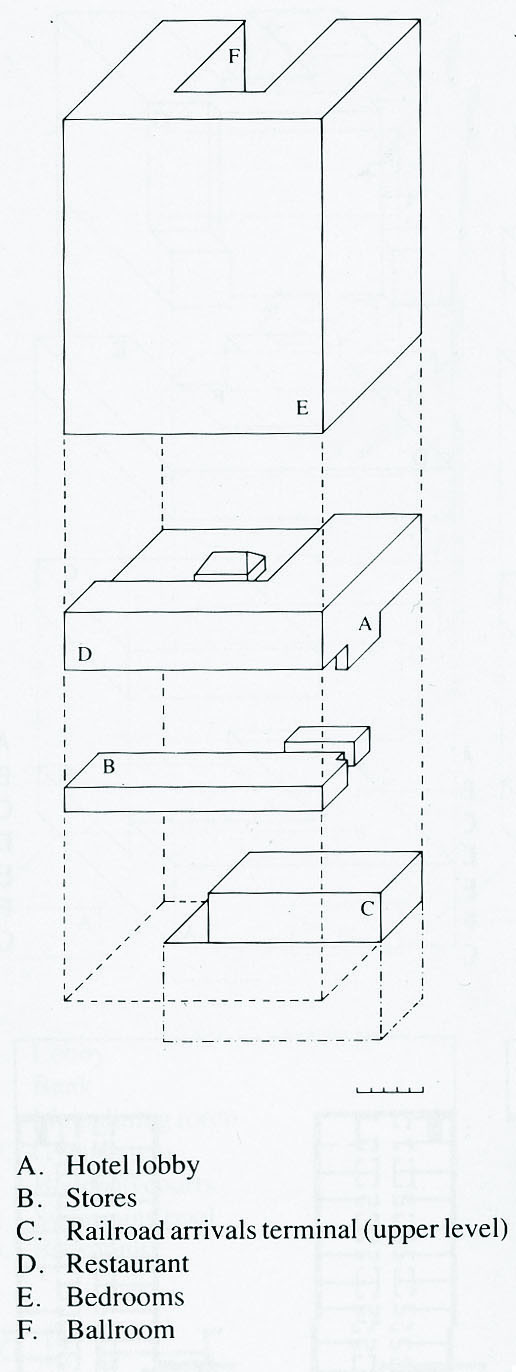
    La ciudad es un mosaico de episodios, cada uno con su ciclo de vida particular. La retícula urbana moderna fue cómplice de la des-corporación y la estrategia de crear una distinción manzana por manzana. En ciudades como NY, Chicago, Boston entre otras urbes, las manifestaciones programáticas no se dispersaron a través de la topografía al contrario la retícula urbana la cual iba ligada con la innovación tecnológica (el acero estructural, el ascensor, aire condicionado) creo la ciudad vertical – el edificio hibrido. El espacio de uso mixto es simplemente la combinación de funciones dentro de una sola estructura.  En la ciudad tradicional estas tipologías y sus variaciones han existido en escala y forma regular. Por lo contrario el edificio hibrido es el “monstruo” tipologico del siglo XX. Su escala y forma esta determinada por cuestiones económicas, dimensionales y normas de uso de suelo. Las opciones programáticas del hibrido pueden existir por separadas sin llevar un intercambio entre si, o como dice el refrán juntos pero no revueltos. En otras ocasiones los espacios y funciones dentro del edificio se organizan para que su combinación exalte una función general como es en caso de los edificios que albergan bibliotecas, auditorios, aulas, laboratorios y centros de salud en una misma estructura. La suma total es mayor que sus partes. El aspecto formal del edificio hibrido varía en tres modelos; 1. Las funciones son representadas verticalmente, 2. Injertadas en los costados y 3. Interiorizadas en la estructura y cubierta con una membrana exterior. Algunos ejemplos del edificio hibrido son el Biltimore Hotel (1914) que abarca una manzana con una estación de tren, centro comercial, restaurante y hotel.  Apartment Bridge (1929) proyectado por Raymond Hood, un puente en Nueva York con departamentos, fabricas, y oficinas aparte de su función como infraestructura vial. El edificio hibrido actúa como infraestructura urbana con el potencial de albergar situaciones programáticas requeridas para la rehabilitación de la ciudad contemporánea. Las combinaciones son ilimitables y su función depende de las necesidades socioculturales de grupos con derecho a manifestar sus diferencias, contradicciones y posibles intercambios en el espacio político-urbano.


                                   a) Biltmore Hotel 1914        b) Apartment Bridge 1929


    2. Usos Primarios Mixtos
    En condiciones urbanas el espacio de uso mixto forma parte de un proceso importante hacia la rehabilitación de los centros urbanos. El factor de horario de actividades programáticas y peatonales es un indicador de dinamismo social y diferenciación cultural en la ciudad. Jane Jacobs en su célebre libro The Death and Life of Great American Cities, relata la importancia de los usos primarios mixtos. En una calle con vitalidad la gente ambula a diferentes horas del día, esta actividad produce relaciones sociales y una reactividad económica considerable para las zonas en peligro de deterioro.  Los usos primarios mixtos son elementos que se insertan en el tejido urbano para la creación de usos secundarios que en su momento también se podrán convertir en estabilizadores económicos de la zona. Los usos primarios como indica Jacobs son piezas de ajedrez que se mueven en conjunto para realizar una tarea, a la vez ciertas piezas pueden ser transformadas como lo hace un peón a reina. Un ejemplo es el Carnegie Hall ubicado sobre la calle 57 en Nueva York. La presencia de este recinto musical genero la llegada de varias funciones nocturnas  – dos cines y por ser un centro de música atrajo la llegada de escuelas de música, danza, talleres para artistas y en poco tiempo vivienda, dos hoteles y nuevos habitantes que relacionan su oficio con las artes.  Durante el día la actividad en las diferentes torres de oficinas mantienen económicamente a pequeños restaurantes y cafés de la localidad. Después de los horarios de trabajo la zona se reactiva por medio de los usos culturales y espacios de entretenimiento. El éxito de las diferentes partes ya sean de usos primarios o secundarios atrae una tercera fuerza económica – la actividad turística.  En este caso las piezas de ajedrez jugaron en conjunto. Lo peor que le pudiese ver pasado a la zona de la calle 57 es implementar el plan original y construir otra torre de oficinas en el lugar de Carnegie Hall.
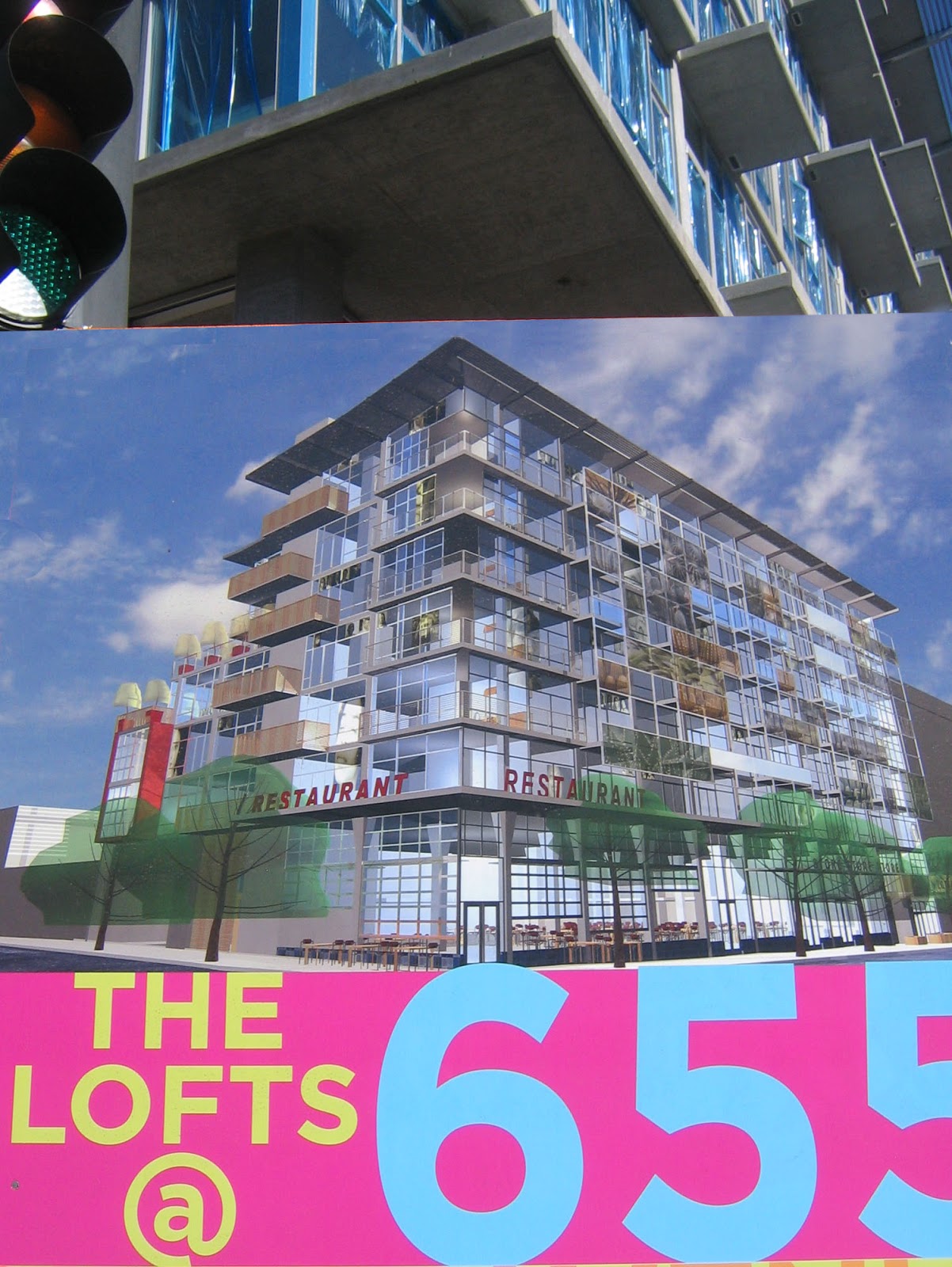
                                     (c) Cartel de un edificio de uso-mixto en obra. Downtown, San Diego

    3. Gentrification

    En la ciudad de San Diego, California, el edificio mix-use ha sido parte del atractivo y slogan publicitario para vender espacios en zonas urbanas a un sector socio/económico especifico. El estilo loft aquel espacio que inicio como la adaptación del edificio industrial o almacén abandonado y reconfigurado por algún creativo de bajos recursos es ahora la pieza importante del inversionista norte americano. En esta ciudad fronteriza el boom de reconstrucción (redevelopment) de la zona centro inicia en los años 90 con la prolongación de la zona de actividad del CCDC (Centre City Redevelopment Corporation órgano creado para el control de uso de suelo), a 600 hectáreas donde se proyecta una población de 50,000 habitantes para el año 2025. En los proceso de reconstrucción la zona ha cambiado a ser considerada apta para uso mixto con el tradicional esquema de la vivienda arriba del espacio comercial. En el intento de poblar “el centro” algunos distritos étnicos han desaparecido como lo es la zona Italiana al norte. La zona todavía se denomina Little Italy o La pequeña Italia sin embargo las familias Italianas que poblaron esa zona hace más de cien años y que se dedicaron a la pesca han abandonado el lugar. Para muchas familias el redevelopment les presento la oportunidad de vender sus predios a un buen precio y para otros ya no fue económicamente factible seguir viviendo en esa zona. La mayor parte de las viviendas en oferta actualmente son para parejas jóvenes sin hijos y con un ingreso anual por arriba de 70,000 mil dólares anuales. Hoy Little Italy se reconstruye por medio de edificaciones que simulan los estilos mediterráneos con fachadas falsas de estuco e irónicamente a pesar de la ausencia de los italianos, celebra su festival Italiano anualmente. Sin embargo existen varias propuestas que juegan con los factores económicos y espáciales e intentan mantener o salvar la diversidad socio-económica de la zona. Ted Smith reconocido arquitecto de San Diego con una larga trayectoria proyectando edificios urbanos de vivienda y uso mixto ha creado varias de estas propuestas. Smith manipula el reglamento de construcción para generar espacios diversos y accesibles económicamente, donde el usuario pueda vivir, trabajar y estar cerca de la vida urbana. Smith ejerce como arquitecto pero también se ha convertido en el desarrollador de sus propios proyectos. Desde el 2005 es fundador y director de la maestría en desarrollo inmobiliario y vivienda (M.Arch.RED) en Woodbury University.


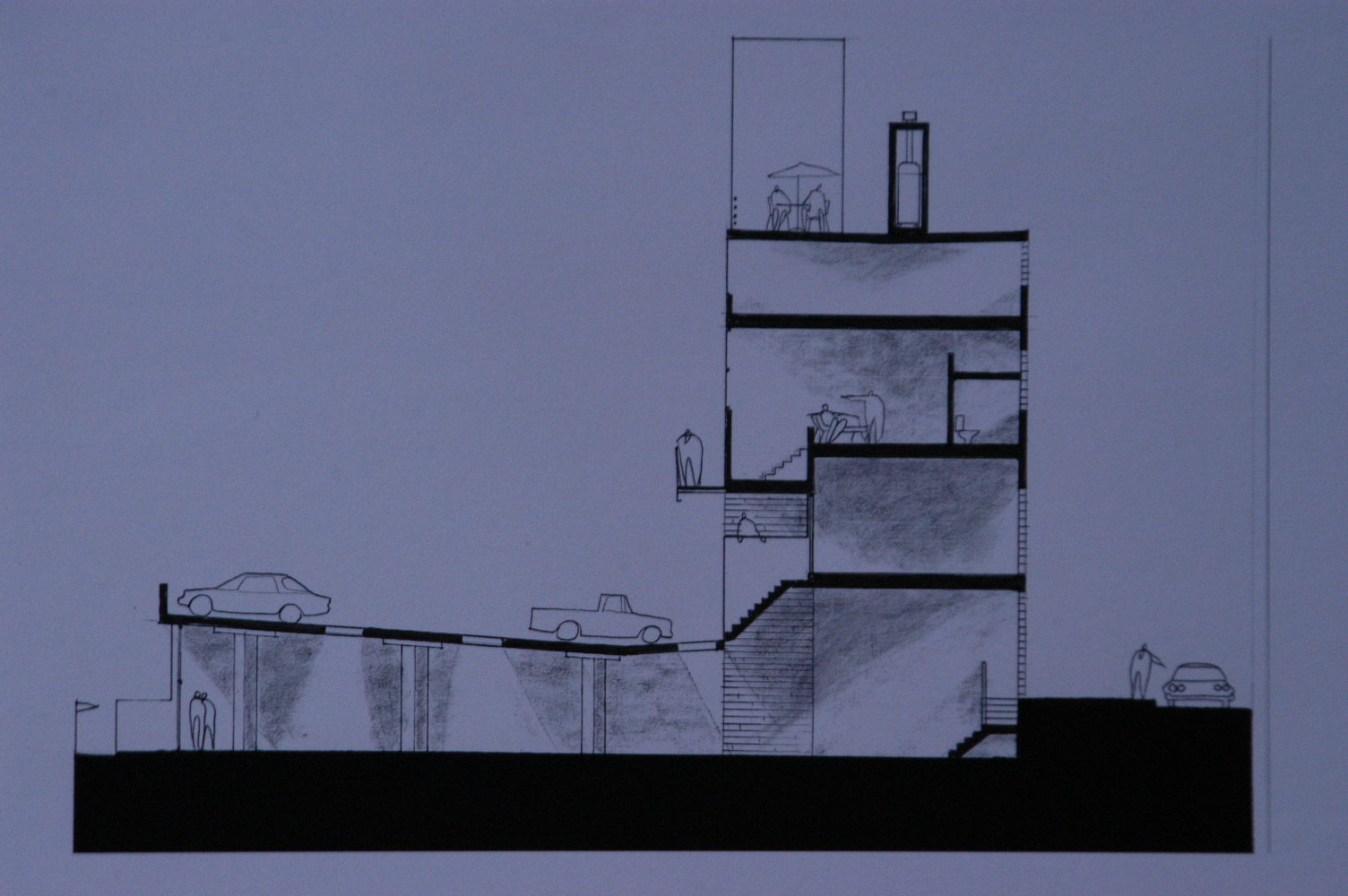
    La combinación de desarrollador y arquitecto permite que su firma Smith and Others se haya convertido en catalizador de varios proyectos de vivienda en el centro de San Diego y a pesar del éxito económico de los proyectos su arquitectura promueve la creación de espacios sociales y democráticos manteniendo una diversidad demográfica en las zonas urbanas. En San Diego la termino “uso mixto” implica para el desarrollador común un alza en los porcentajes de interés en créditos de construcción. En el edificio Essex, ubicado en Little Italy , Smith ubico el estacionamiento en segundo nivel en la parte posterior del predio para “liberar” el espacio de la planta baja y dar preferencia a uso comercial y trafico peatonal. También utilizo el termino “loft” para poder hacer del proyecto un edificio de uso mixto. El loft implica que existe un espacio para vivir y trabajar y de acuerdo con esa definición Smith agrega, “no hay una diferencia notable entre el loft y mix-use, espacio es espacio y utilizamos este método desde hace 25 años. Si inscribo el proyecto como uso-mixto los intereses del préstamo de construcción suben el 2% y tendría que tramitar el cambio de uso de suelo. En Essex utilizamos un crédito residencial que permite 4 de 40 unidades como espacios de trabajo. Cada año se hacen inspecciones para ver si se esta respetando el uso de suelo y a nosotros se nos da la opción de mostrar las habitaciones que queramos, sin tener que mostrar espacios adicionales que se hayan convertido en uso comercial.”


     (d) Edficio Essex. Arq. Ted Smith. Little Italy, San Diego.


                                                           (e) Corte trasversal del edificio Essex.


    Hacia el sur del centro de la ciudad ocurre algo similar pero en este caso la comunidad en peligro de extinción por el “loft” y el “mix-use” es la México-Americana. Barrio Logan como es conocido, es la cuna del movimiento chicano en San Diego.  A El Barrio, le preocupa la desaparición de su identidad por el desarrollo feroz que viene del norte con proyectos  de “gentrification” – proceso por el cual un barrio pasa ser de clase popular a una comunidad de clase alta.  Las rentas suben, las estructuras físicas y sociales son remplazadas por otras apegadas a prácticas de mercado.

    “El gentrification se puede evitar cuando el desarrollo de una zona incluye a los diferentes programas y funciones existentes. Pero para esto se requieren subsidios”, comenta Smith.  Subsidios para que los residentes puedan re-invertir en su comunidad o para que simplemente no sean excluidos por las altas rentas y costos de los nuevos proyectos.

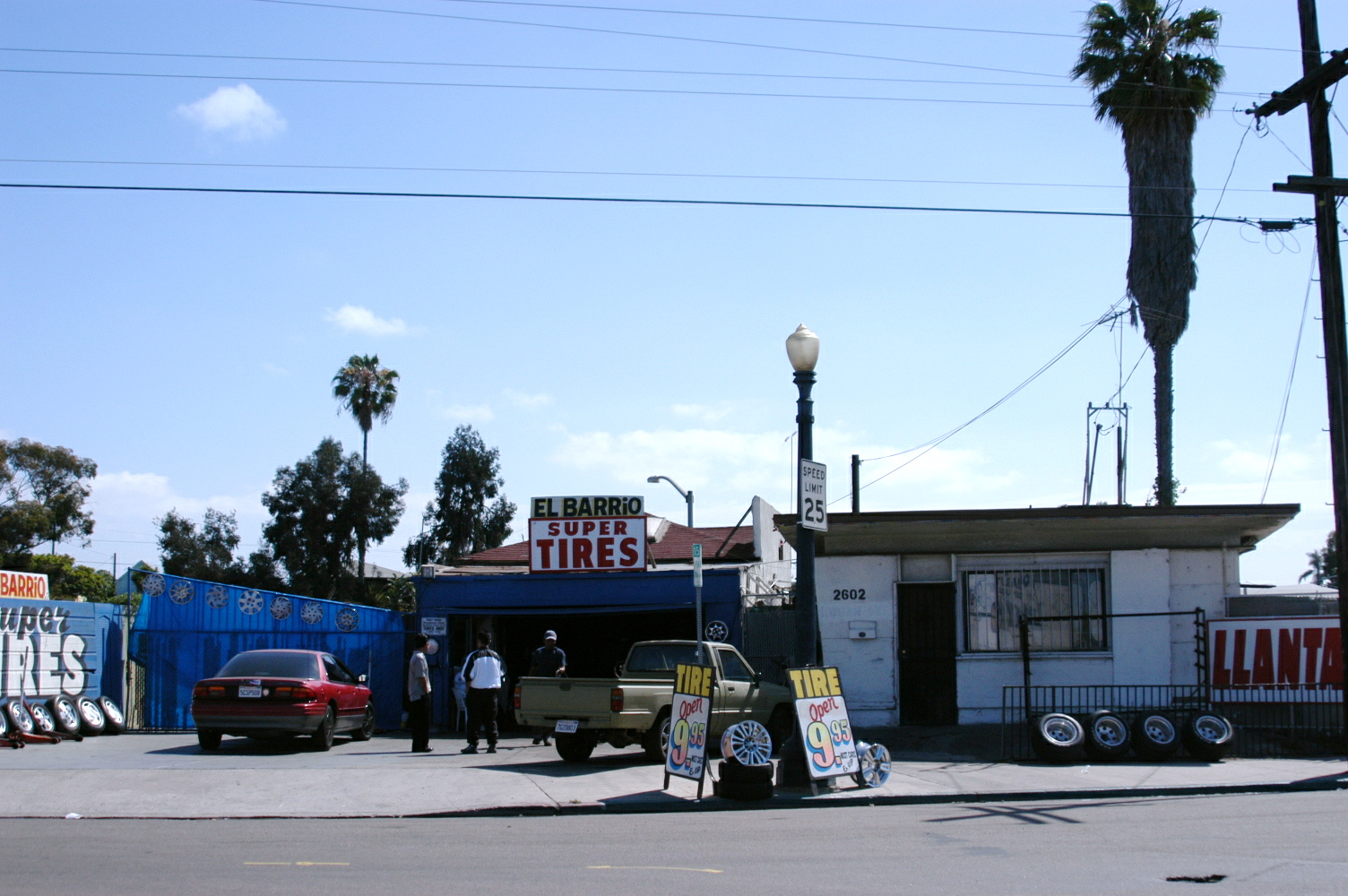
    Actualmente estoy lidiando con este problema en Barrio Logan con la llantera Barrio Tires comenta Smith. Negocio de viejos residentes ubicado en la propiedad de un grupo de desarrolladores/arquitectos a la que pertenece Smith. “Estamos proyectando el edificio adyacente de una forma que sea factible económicamente y pueda dejar una renta accesible para que la llantera siga operando”. En este caso parece ser que la comunidad y la agencia encargada de revisar los proyectos de desarrollo en la zona no quieren mantener la llantera. “Creo que es importante mantener usos comerciales “reales” y evitar el mix-use de los cafés y restaurantes de moda por que lo único que ofrecen son espacios de entretenimiento y poca diversidad de empleo.”  Sobre el tema de esta edición de Más+arquitectura y la búsqueda de la re-densificación del centro en Aguascalientes, Smith comenta que un modelo apropiado incluye edificios que crecen a largo plazo y no necesitan altos grados de infraestructura. El Essex es un prototipo parecido. Estos edificios pueden incluir espacios flexibles en planta baja que se pudiesen combinar en espacios más grandes, en ves de hacer lo contrario y dividirlos en espacios pequeños. Un espacio en planta baja se pudiese convertir en estacionamiento cuando la densidad incremente y sea factible económicamente.


    (f) Llantera Barrio Tires, Barrio Logan, San Diego.


    Bibliografía:
    1.    AlSayyad, Nezar.  Hybrid Urbanism: On the Identity Discourse and the Built Environment.                   
                                        Westport, CT. Praeger Publishers, 2001
    2.    Jacobs, Jane.        The Death and Life of Great American Cities. New York, Random House. 1961
    3.    Fenton, Joseph.    “Hybrid Buildings”, Pamphlet Architecture No. 11, New York, Princeton  
                                         Architectural Press.1985
    4.    Koolhaas, Rem.     Delirious New York. New York, The Monacelli Press. 1994
    5.    Entrevista con el Arquitecto Ted Smith, San Diego California. 2007
    Créditos de imagen:
    a.    imagen substraída de “Hybrid Buildings”, Pamphlet Architecture No. 11, New York 1985 pg.18
    b.    imagen substraída de “Hybrid Buildings”, Pamphlet Architecture No. 11, New York 1985 pg.22
    c.     Rene Peralta
    d.    Ted Smith
    e.    Ted Smith
    f.      Ted Smith

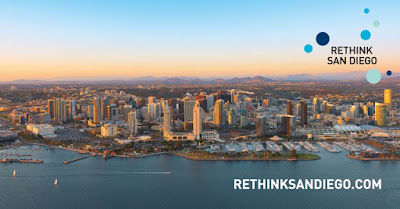
  • Read the article I wrote for the Architect’s Newspaper on the Exhibit/Event ReThink San Diego

    Photo: John Bahu
  • Occidente Nuevo: Recycled Tijuana
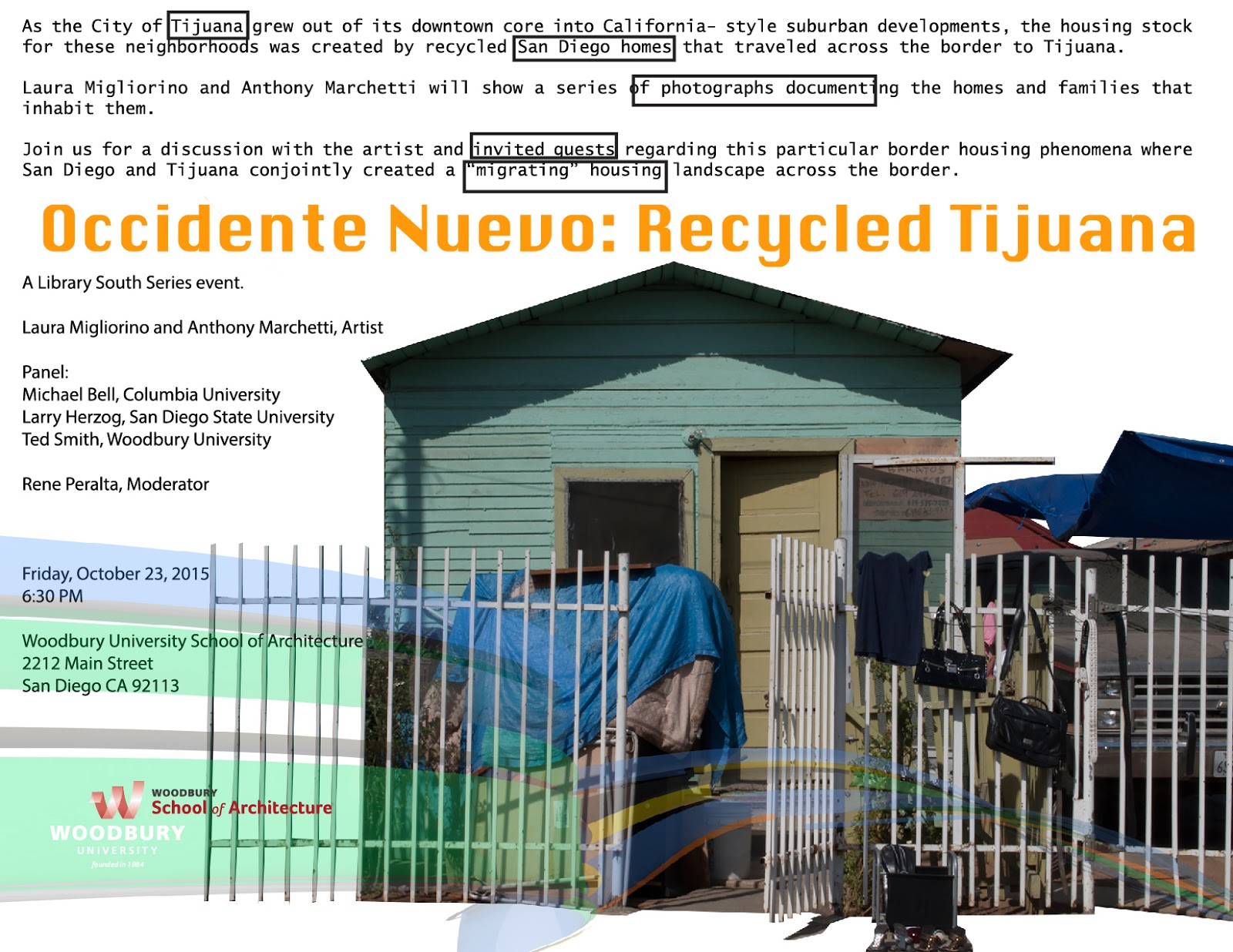
    No se pierdan esta exposición de los fotógrafos Laura Migliorino y Anthony Marchetti
    de las viviendas que literalmente cruzaron la frontera de San Diego a Tijuana 
    Habra una mesa de dialogo con Michael Bell, Columbia University, Larry Herzog SDSU y Ted Smith Woodbury University. Modera Rene Peralta
    23 de Octubre 6:30pm
    Woodbury University San Diego
    entrada libre


  • Re-Assembling Tijuana


    Friday, October 16, 2015 – 8:00pm

    West Hollywood Public Library, Community Room

    CRITICAL STUDIES: In the beginning, Tijuana was a city physically and historically shaped by paradoxes from both the north and the south. Toward the end of the 20th century, it was recognized as the mixing chamber for hybrid cultures within a dialectic border landscape. Over the past decade, after years of violence and cartel hegemony, there has been a resurgence in the Tijuana region: a re-assembling of its identity through critical and self-referential cultural praxis in film, theory and architecture. The panel “Re-assembling Tijuana” will be led by Rene Peralta, architect and urbanist, and associate professor at Woodbury University in San Diego, and will feature three other guests: Adriana Trujillo and José Inerzia, of the media collective POLEN; and cultural theorist Josh Kun. 
    Rene Peralta (Tijuana, Mexico): Educated at the New School of Architecture in San Diego and at the Architectural Association in London, England, Rene is Director of the Landscape + Urbanism Master of Design program at Woodbury University School of Architecture in San Diego, and Lecturer in the Department Urban Studies and Planning at UCSD. He publishes widely on the social and cultural forms developing along the border between the United States and Mexico, specifically between Tijuana and San Diego.  His architecture and research projects concentrate on urban design in contested global territories. 
    Polen is the collaborative team of Adriiana Trujillo and Jose Inerzia. It produces media projects about the intersection between ethnographic film and experimental video. Its work has been shown in the US, Mexico, Argentina, China, Australia and India.  
    Adriiana Trujillo (Tijuana, Mexico) holds a master’s degree in Creative Documentary from the Autonomous University of Barcelona. Her work has been included in several film and art festivals, galleries and TV channels around the world. Currently she is Artistic Director of BorDocs Documentary Forum.
    José Inerzia (Zaragoza, Spain) is the producer of Skin Destination(2012) and Felix: Self-fictions of a Smuggler (2011), besides live-visual projects Juan Soldado Suite, Antropotrip and the video installation The Arcades Media Project. Since 2008, José is the executive director of BorDocs Documentary Forum, besides the programmer of the Border Film Week 2014 for the University of San Diego and co-director of Non.Format, a platform for contemporary film and video art.  
    Josh Kun is a professor in the Annenberg School for Communication at USC. He is the author of Audiotopia: Music, Race, and America (UC Press), which won a 2006 American Book Award, and two books based on the special collections of the Los Angeles Public Library: Songs in the Key of Los Angeles (2013, Angel City Press) and To Live and Dine in L.A.: Menus and the Making of the Modern City (2015, Angel City Press). He is currently completing two books about music and the US-Mexico border.
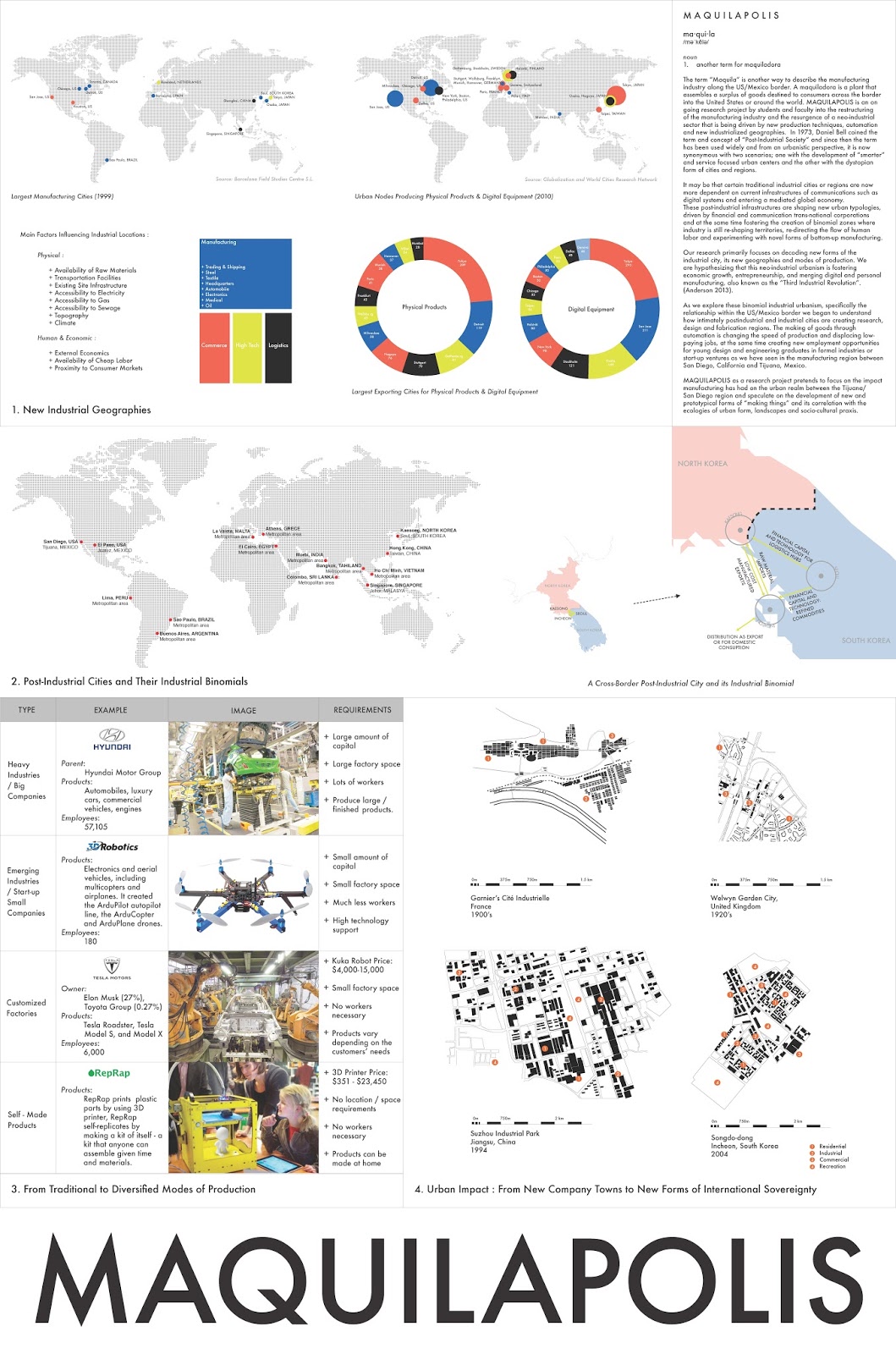
  • Maquilapolis @ Landscape + Urbanism Graduate Program, Woodbury University San Diego.
    Our 2014 Graduate class research included the potential of a resurgence of the industrial city. With Tijuana. Mexico as our test ground we had the opportunity to visit its manufacturing parks and the innovative 3D Robotics Drone manufacturing facility. 

    L+U Grads with professors Rene Peralta (Director of L+U) Benjamin Bratton (UCSD) and Erin Ota (Woodbury)
  • Our Border/Bi-National Region: 
    The Resurgence of Tijuana
                                        image: Rene Peralta
    The bi-national future of the Tijuana-San Diego cross-border region has been on the radar screens of citizens and public officials for several decades.  Unfortunately, the combined impacts of post 9/11 Homeland Security, concerns about drug smuggling, and a global recession have slowed down cross-border planning projects for nearly a decade. Now, over the last five years, the pendulum has swung back.  San Diego and Tijuana are ready to plan and build an infrastructure that embraces our cross border futures.

    This breakfast dialogue will introduce San Diegans to some emerging urban development projects and activities that define Tijuana’s economic and cultural resurgence over the past half decade.
    Panel

    Emma Cruz and Miguel Marshall, Co-founders of HUB STN, a bi-national technology and collaborative work space in downtown Tijuana.

    Illya Haro, Independent Art Curator in Tijuana Mexico, will address the emerging downtown Tijuana arts scene.

    Rene Peralta, Director of the Master of Science in Architecture Program at Woodbury University in San Diego will present an ecological revitalization plan for the River Zone of Tijuana.

    Mario C. López, President/CEO, The Border Group LLC., will highlight areas of Tijuana’s revitalization and the importance of cross border cooperation. 

    Moderator:
    Dr. Lawrence Herzog, SDSU Professor of City Planning

    When Thursday, September 24, 20157:00 AM – 9:00 AM (PDT)
    Location Balboa Park ~ The Prado Restaurant ~The Loggia Room
      More info: Click Here
      Prado Restaurant ~The Loggia Room


    • Hi all,

      This blog is back with my latest text on PREVI in Peru
      This essay was written for the online magazine ACTA. Click here


      PREVI_45 years of Resiliency
      From Sustainable to Resilient Cities
      The urban, which is indifferent to each difference it contains, often seems to be as indifferent as nature, but with a cruelty all its own.”
      Henri Lefebvre in The Urban Revolution
      In contemporary urbanism the concept of resiliency was adopted from the natural sciences, where it postulates how ecosystems can withstand events of crisis and are able to adapt in those critical moments that can lead to an outcome of extinction or survival. The term has been widely used in Landscape Architecture, Urban Design and Architecture academia as the new contract with the contemporary city.
      The prolific scientific monitoring of climate change and recent cataclysms such as Hurricanes Katrina in New Orleans, Sandy in New York or the current drought in California has put an emphasis on hydrological planning, water management and other environmental concerns and their impacts on our built environment. These factors have urgently produced trans-disciplinary urban studies where ecology, geography, and the environmental sciences are fusing with urban and landscape design.
      The recent issue of the international journal of landscape architecture and urban design TOPOS dedicated its June 2015 issue to the theme of Resilient Cities and Landscapes, where Dianne E. Davis, Professor of planning at the Harvard GSD writes:
      “Resilience is now the watchword of our times. It is promoted as the rationale for a new and expanding repertoire of tools that will guide us to a secure urban and global future. But resiliency is a tricky word, veering into the ideological.”
      Resilient space is one of crisis, one of immediacy and sometimes one re-constructed by catastrophe. Today, the challenge of the resilient city is not solely to attaining symbiotic relationship with nature, but one of adaptation and optimization to ecological, economical and global forces. Recently, the resilient city has transcended the notion of the sustainable city.
      PREVI
      “PREVI, a grand competition promoted by the Peruvian government and the United Nations, of universal importance”
                                                                  President Arq.Fernando Belaunde Terry (1968)
      From 2013 to 2014, the Landscape Urbanism program at Woodbury University explored zones that demonstrated resilient acts of urbanism within the region of the Tijuana/San Diego border region. This area’s development is product of dialectical landscapes, where the developed world meets the developing one, full of contrast and examples of resiliency. And as the research expanded to Latin America the characterization of resiliency began to diversify beyond the ecological urgency presented in North America.
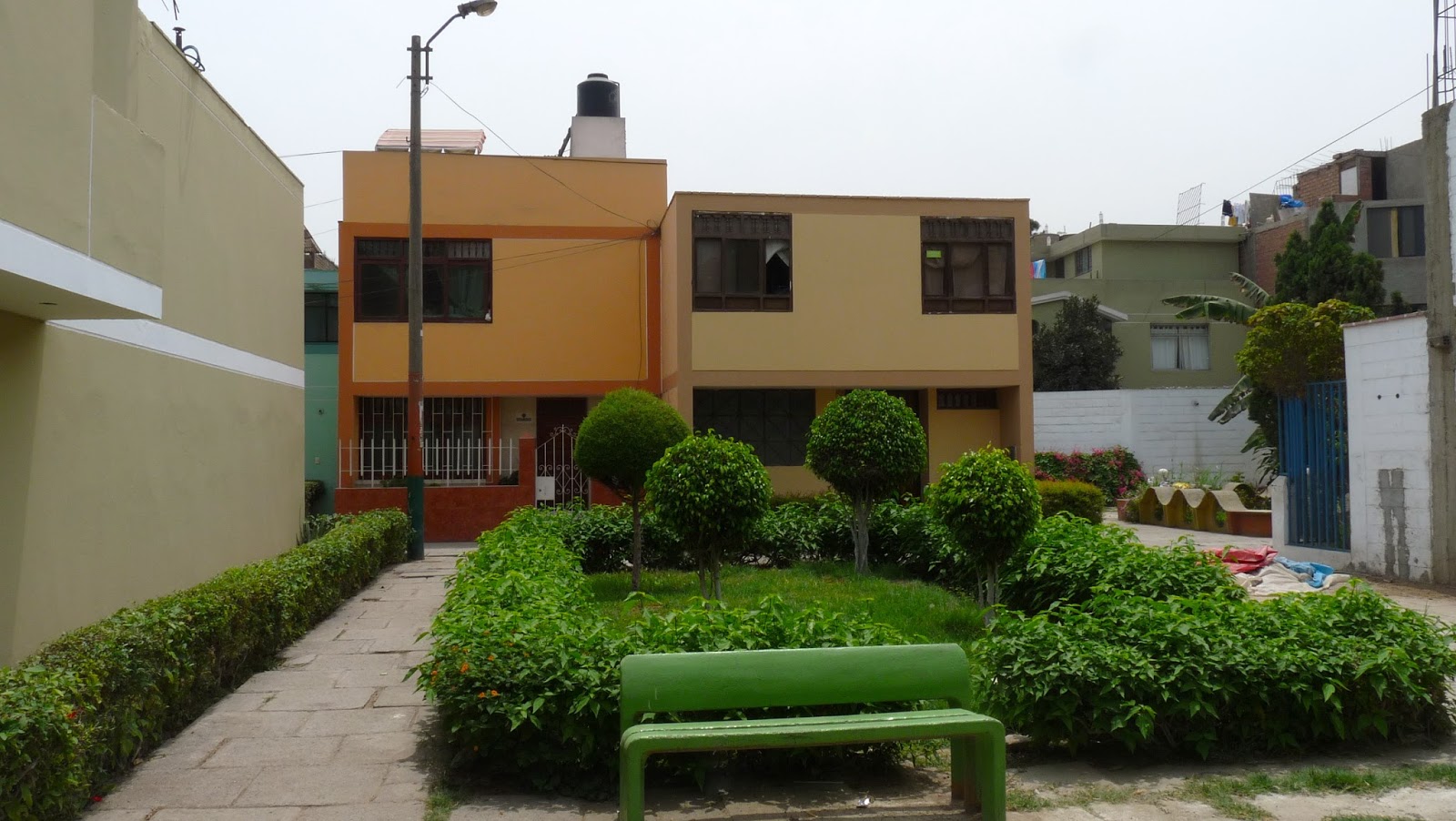
      In 2013, as part of the second semester design studio, graduate students from the Landscape + Urbanism Program visited the city of Lima, Peru. The brief of the studio was to study and collaborate with the Lima municipality, to produce an urban design scheme for a post-industrial site adjacent to the Rimac urban river. As we surveyed the city and conversed with professors from the Universidad Nacional de Ingenieria our attention shifted to a very distinct and experimental housing development along the Carretera Panamericana built in the late 60’s early 70’s –  PREVI (Proyecto Experimental de Vivienda).
      In 1966, Peruvian President Fernando Belaúnde organized, along with the United Nations Development Program the experimental housing project that included the design of prefabricated and modular social housing typologies with the help of Peruvian and international architects. PREVI’s urban master plan was under the direction of British architect Peter Land along with prominent international architects such as James Stirling, Atelier 5, Christopher Alexander and Charles Correa among others. The 1500 home development included a variety of pedestrian walkways, large urban parks, schools and dedicated parking areas for residents.
      President Belaúnde was an architect trained at the University of Texas and a modernist in all sense of the word including his ideas of urbanization, which had influence from the rational planning layouts encouraged by CIAM and Le Corbusier. PREVI, like many projects during this era of late modernism that intended to apply design at a large scale including design of cities and infrastructure (i.e. brutalism, metabolism etc) was part of an intent of liberal social politics to bring order and humanitarian design to a region that soon would be reshaped by political unrest.
      On October 03, 1968 a coup d’état during Belaúnde’s term would change the rational and programmed path of PREVI and begin its long and resilient future of adaptation and bottom-up process of maturity.  It is important to note that the military government did not condemn the project, yet it only promoted other nationalistic (anti-imperialistic) driven forms of development. 
      “Although the coup d’état of 1968 did not completely interrupt PREVI’s development, the military regime rejected this model to address the need for new low-income housing and the project of social development dissolved into organized squatter settlements and self-built housing.” (Kahatt & Crousse)
      PREVI future and regulated growth (by architects) was no longer sustained by the new government and its new residents had to find “resilient” methods in order to maintain the urban form and vitality of the neighborhood. As in many regions of Latin America during the XX century, national scale projects failed the Corbusian dictum “”Architecture or Revolution” that was critical to modernism political ideology. 
      Later, the onset of postmodernism critique of the modernist machine aesthetic via the introduction historical and semantic references in schools of architecture added to the abandonment of PREVI by the new generation of architects as an avant-garde proposal for housing in the Americas. A sentiment that is still notably present today in the academic milieu of Lima’s schools of architecture.
      From Revolutionary to Resilient
      As the graduate students from Woodbury University explored the dynamics of what was left of PREVI, an interesting debate flourished among students with local university professors and residents of the neighborhood. The lines of inquiry were directed toward the informal character that PREVI took after the military government pulled the support for the project.
      The dialectical dispute here is between architectural purism and individual freedom. After the political unrest of 1968 the inhabitants of PREVI took the liberty to modify and expand the original prototypical housing models designed by the group of international and national architects. The housing units began to morph into what is now an eclectic formalism of applied decoration, security screens and multi story additions, the whole neighborhood changed from a modern rational plan to a resilient landscape of street activity, ground floor markets and inner connected networks of housing clusters, or what Margaret Crawford might call “Everyday Urbanism”.
      Some contemporary Lima architects we spoke to call attention to the fact that the residents’ freedom to express their identity or individuality is a legitimate act, yet they feel that the project’s capacity to generate formal and spatial relationships was breached, not only physically but also civically – the modernist ideal of a coherent social-construct and total control through architecture failed once again.
      PREVI presents another layer of resiliency, produced out of political unrest, economic uncertainty and the vicissitudes of late modernism in academia and politics. Within these conceptual contexts, the neighborhood also endured the morphological adaptations of the city of Lima, fluctuations in population, the petrol crisis of the 1970’s and contemporary issues like water shortage and clean air. PREVI’s ability of self-organization was a key to its resiliency by responding to the set parameters of the original plan yet it was able to build upon this datum and evolve into thriving community on its own.
      In 1965, Christopher Alexander who participated as one of the 12 international architects in the development, wrote the seminal text, “ A city is not a tree” where the tree is a type lattice structure that as it progresses encounters restrictive conditions, as a diagram it represents designed cities or “artificial” cities. On the contrary, cities that express a variety of overlapping sets (people, houses, trees, sidewalks, etc.) are “natural” cities. Therefore and in the manner of Alexander, PREVI’s resilient urban tactic of survival was to bifurcate from an artificial place to a natural one.
      The end result of the visit to Lima was a short film produced by the graduate students documenting the current state of PREVI 45 after years of its conception. The documentary includes the testimonial of several residents who have lived in the development since its construction and the academic opinions of architecture faculty from the Universidad Nacional de Ingenieria, regarding the urban impact and prototypical housing designs of the project.
      In March 2015, the curators of the exhibition “Latin America in Construction: Architecture 1955-1980” at the Museum of Modern Art in New York, chose the short film to be showcased along with original drawings and sketches of PREVI. The film was the only contemporary testimony if any project across Latin America in the exhibition.
      The film’s visuals show a PREVI that is unrecognizable from its original plans and photographs during the building process. The individual taste of the inhabitants has grafted with the purism of the canonical modernist project.  Its program has evolved from a housing project for young families to refuge for many elderly who have always called PREVI their sanctuary. Yet, its streets and promenades are full of children and young students who attend the school in the complex, a promising and open urban space for city life.
      PREVI, in the end is not a perfect act of urbanism, yet within the contemporary concepts of “resiliency”, it presents a tangible precedent to understand the potential forms of cities to come.  
      Rene Peralta
      Bibliography:
      Alexander, Christopher. “A city is not a Tree.” http://www.rudi.net/pages/8755
      Bergdoll, Barry. , et al. Latin America in Construction: Architecture 1955-1980. 
      New York: The Museum of Modern Art, New York, 2015.
      Crawford, Margaret. , et al. Everyday Urbanism. New York: The Monacelli Press,
      1999.
      Davis E, Diane. “From Risk to Resilience and Back.” Topos June 2015: 57-59
      Lefebvre, Henri. The Urban Revolution. Minneapolis: The university of
      Minessota, 2003.
      Ruiz Blanco, Manuel. Vivienda Colectiva Estatal en Latinoamerica 1930-1960.
                Lima: Editorial Hazlo, 2003.
      Scott, Felicity D. Architecture or Techno-Utopia : Politics after Modernism. 
                                                                                      
    • Fundacion Esperanza de Mexico 
      Building Hope and Homes for low-income communities in Tijuana
      Click on the image to go to FEM website


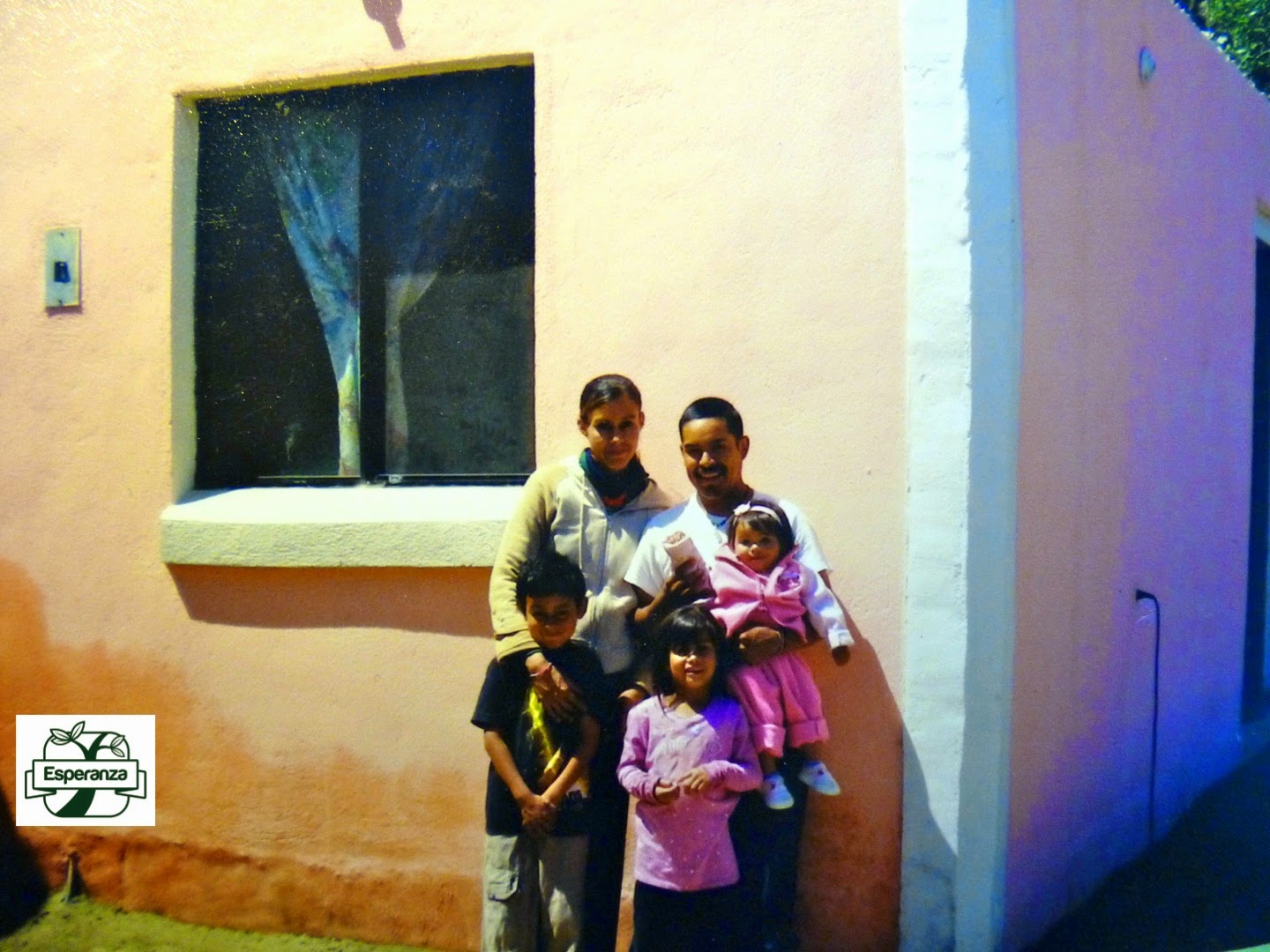
      It’s been 4 years now that I have been part of a great organization in which I truly believe in…Fundacion Esperanza de Mexico (FEM). FEM has been working in very low-income neighborhoods in the city of Tijuana, creating community ties through self-built housing projects. In a city where most of the labor force works in the manufacturing industry there is a great need for reliable and well-built housing specifically around the many industrial parks that attract laborers from as far south as Central America. 
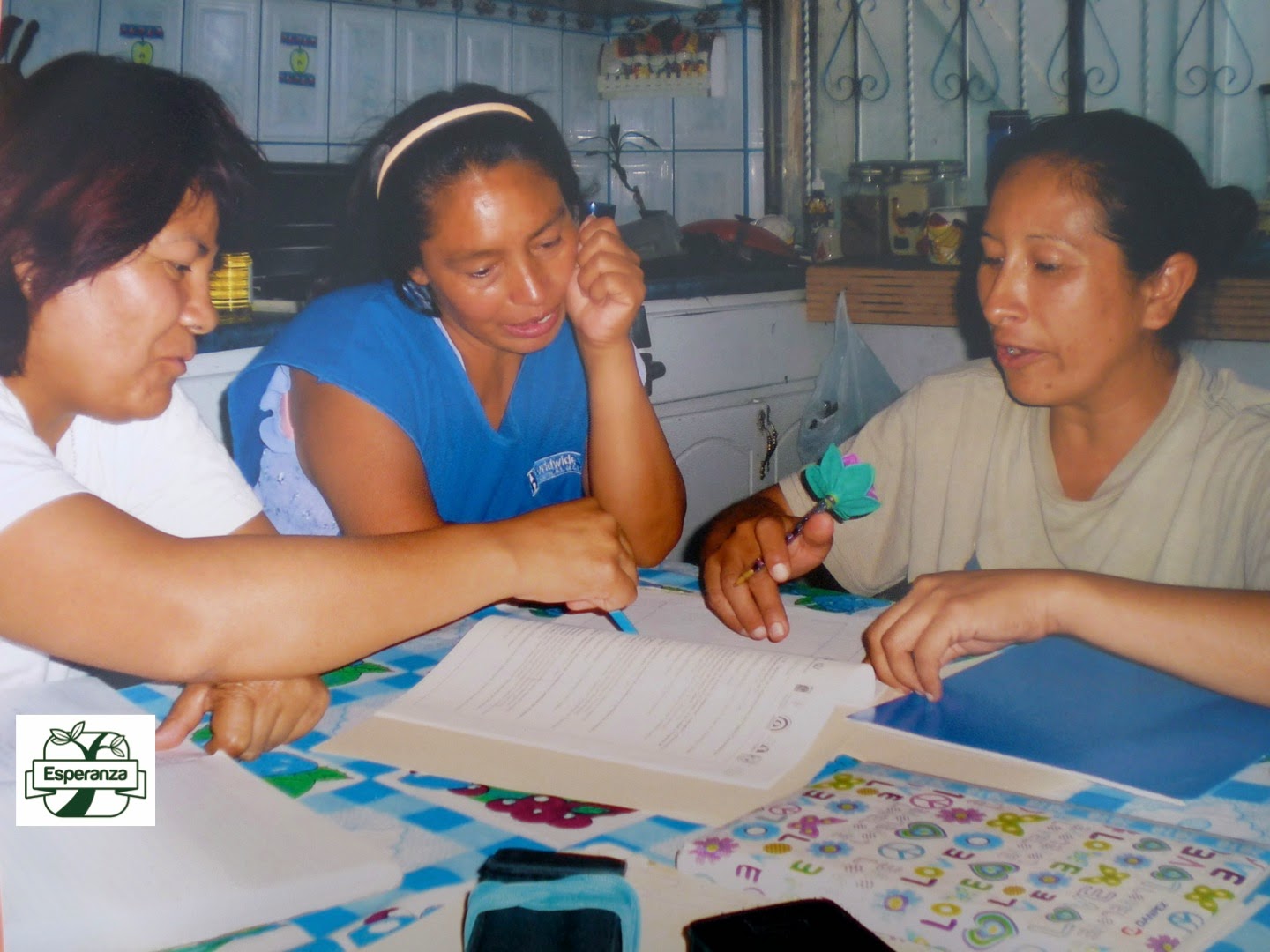
      FEM first task is to do a detailed community surveys of the areas where it will begin to work, this way it is able to target the most disenfranchised families as well identifying the prospective leaders within the community. In this manner the help FEM provides can reach interested groups of community members who desire to improve their way of life and at the same time allowing to put in place a program that can have a long lasting effect in the neighborhood.
      The next steps of the program entails the creation of a self-organized and managed construction fund where  individual members of the community deposit as much money as they can, later FEM helps the families to obtain a federal subsidy that pays for almost half of the homes and allows the families to pay off the credit they received from the fund in two to three years. This process requires approximately 8 to 10 months before the construction of the first home is built. Some community funds are now in their tenth year and have enough money to continue the program on their own and sometimes are able to lend seed money to new upcoming funds.
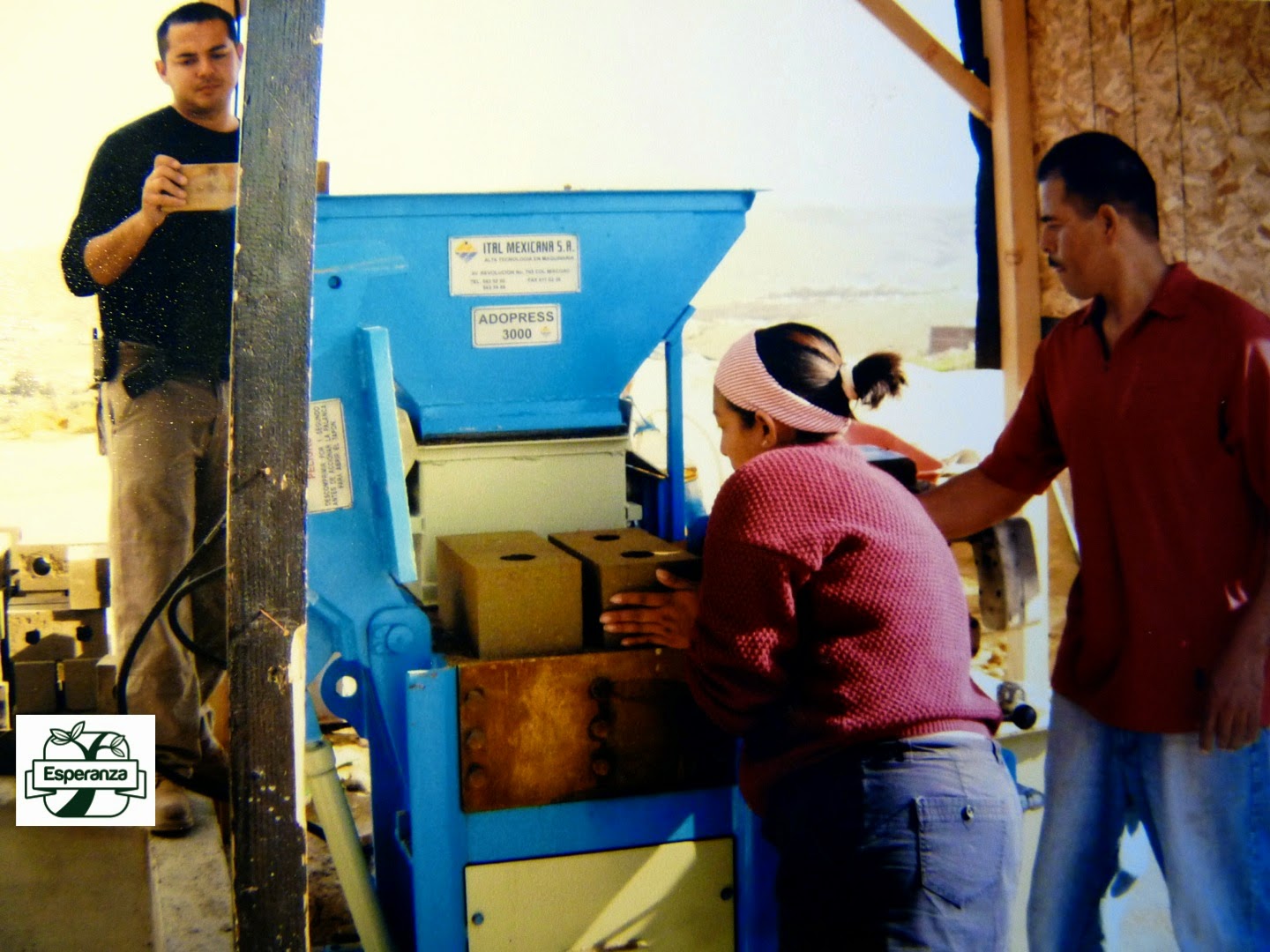
      During the time the funds are being organized, a participating family is chosen to be the first one to build a module. A module is how FEM works; they come in 3 different unit dimensions that in the future can be connected or stacked to create an entire home even a two level house. Because the loan and subsidy of the federal government the family pays off the module very quickly and is able to continue in the program and begin construction of a second or third module according to a plan laid out with FEM in the initial phase of design with the family. The building material is a mortar-less concrete block that is easy to fabricate and build with. The families learn to make their own blocks, encouraging community participation and producing a block that is lower in cost than what the market offers.
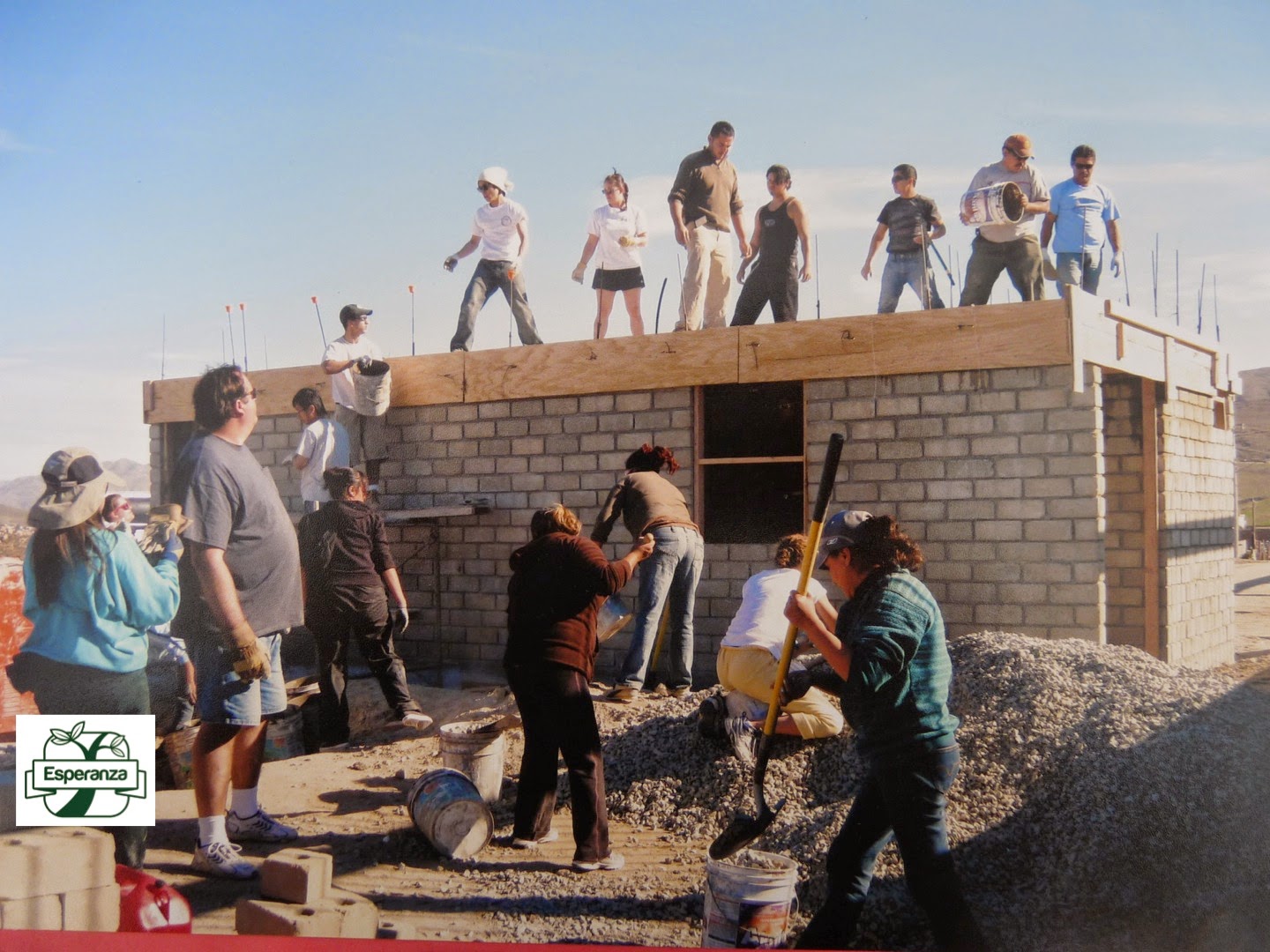
      Once the blocks are ready and the first inspection to the plots is made construction can begin. It is important to note that FEM only requirement for a family to participate in the program is that they have legal ownership of the land or are in the process of getting a title. Part of the construction of the house is a collaborative process as well, FEM gets help from many organized groups that come to Tijuana from the United States and abroad to help in the construction of the homes. Many of these groups are young high school and university students as well as older professionals or faith based groups. They come to FEM and Tijuana not only to build houses but also to foster global citizenship, international awareness and a gratifying personal experience.
      In solidarity, after the home or module is done the family cooks a great meal for the volunteer groups. The unit then is ready to be personalized, painted and inhabited to later grow as the family requires and envisions their future home!

      If you would like to help and/or get involved please visit FEM webpage at www.esperanzademexico.org there you can find the email contact for more information or donate through paypal and help build a better future for the communities in our program!