Pensamientos Genericos
Ideas and speculations from the borderlands
Category: Infrastructure
In the next weeks, I will be posting short essays on the theme of infrastructure. Ideas about the nature and impact this concept has on our daily life. I will revisit some historical infrastructures and contemporary versions of them.
-
Infrastructure and European Integration: a review of a few essays from the Journal History and Technology Vol. 27, No. 3 September 2011. I have always found the link between illustration graphics and manifestos, power, and political views fascinating. Many of the most critical projects that have shaped the ideas and concepts in architectural discourse have not…
-
A Wired World. In The Undersea Network , Nicole Starosielski argues that we still operate in a material realm where geography, topology, and topography are intertwined within a system of communication technologies codifying worldviews. Material megastructures for digital flows permit localized institutional structures to act as global networks. Moreover, these communication ecologies tend to perform…
-
As we analyze 20th-century global empire building, we must consider distinct actors in addition to hegemonic nation-states that challenged physical systems, organizational and political infrastructures, market-driven economies, and other drivers of national and regional sovereignty. In Large Technological Systems (LTS), such as shipping and rail infrastructure, there is a second layer of global private/public relationships…
-
Manufactured landscapes. Infrastructure and nature’s relationship as an artificial sociotechnical entity is a fascinating undertaking. However, we should not fall into simple human/nature binary assumptions. Infrastructures do not separate humans from their environments. Instead, they overlap as new or different assemblages of human and non-human nature. Infrastructures allow us to understand the construction of our environment.…
-
A brief review of the book; Impossible Engineering: Technology and Territoriality on the Canal du Midi. By Chandra Mukerji (2009). Imaginative understanding. Conventionally architectural history is taught in chronological sequence or via individual technological or artistic achievements. The historian E.H. Carr mentions, “The historian is necessarily selective. The belief in a hard core of historical…
-
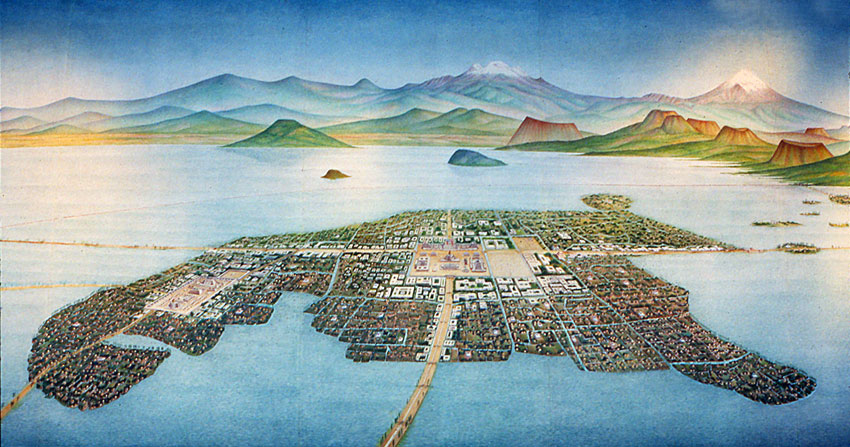
If there is magic on this planet, it is contained in water. Loren Eiseley Fluvial Cities. The history of fluvial structures in pre-modern times is a fascinating story of ancient technology and its sacred imaginaries. Water Infrastructure and the vicissitudes of its composition as flow, philosophical subject, memory, the discrete, the self-assembled, and exploitation of…
-
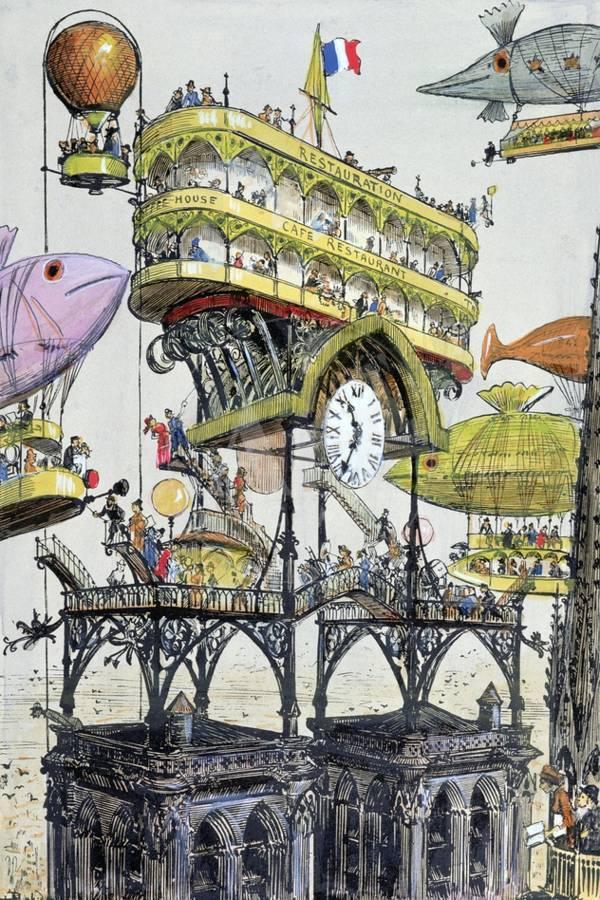
In the next weeks, I will be posting short essays on the theme of infrastructure. Ideas about the nature and impact this concept has on our daily life. I will revisit some historical infrastructures and contemporary versions of them. Notes on what (and when) is infrastructure A Lecture, the Classical and the Machine. In October…
 Pensamientos Genericos